A Buyer's Guide: Aesthetic Benefits of Aluminum Deck Railings
Posted by Deck Expressions on Aug 16, 2026
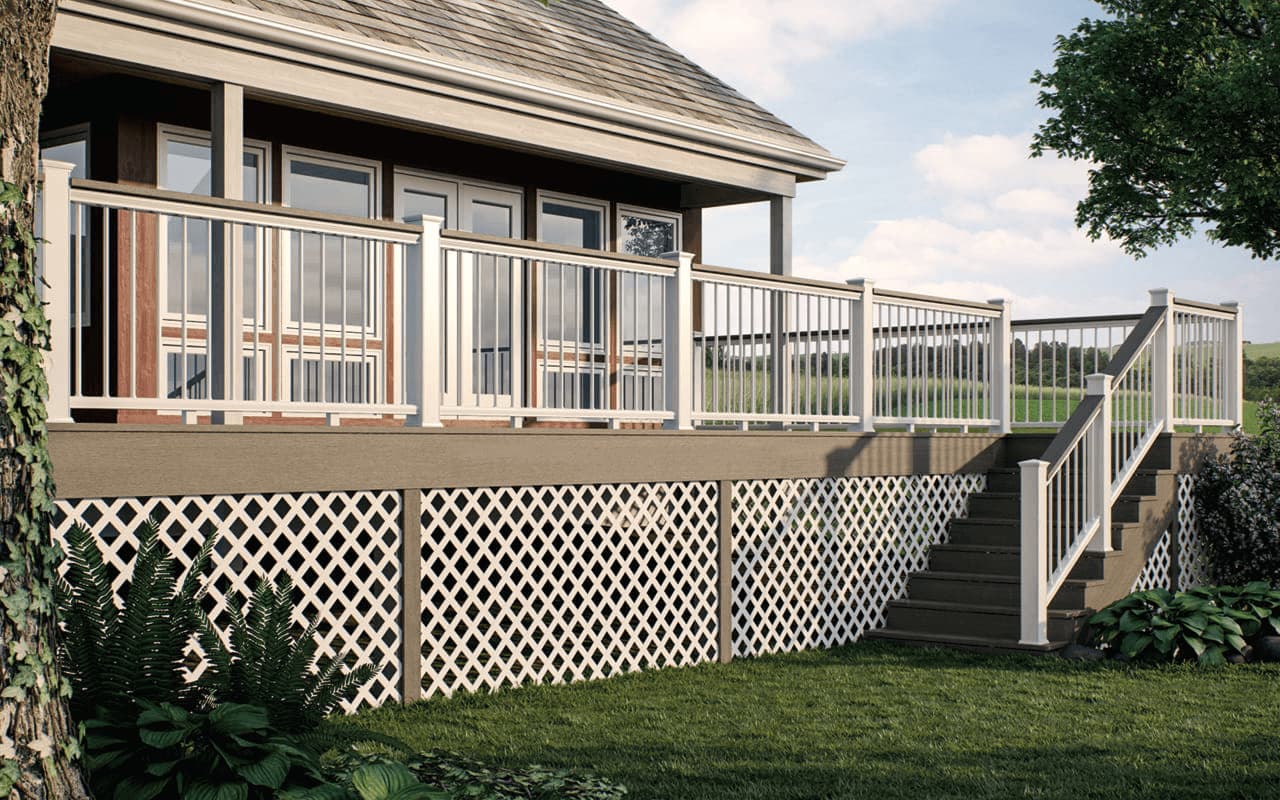
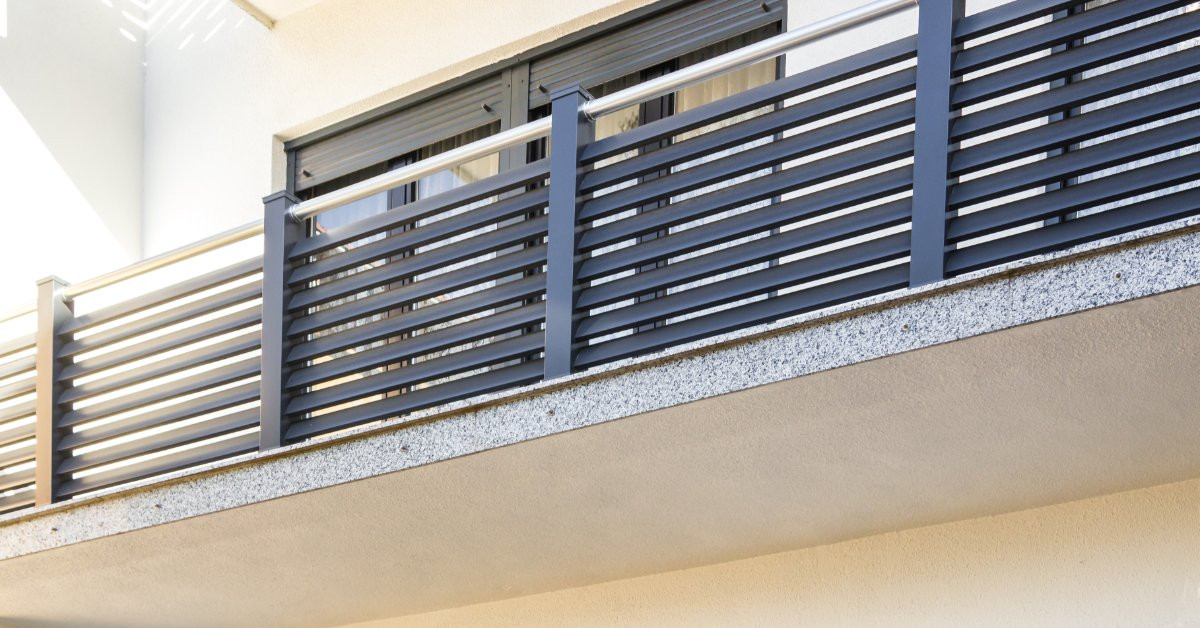
Are you considering aluminum as the material of choice for your railing project, but are still on the fence because you're wondering if another option would be better aesthetically? Aluminum deck railing delivers on durability, but it's also a very visually pleasing option for decks of all styles. Here are some of its top aesthetic benefits to sell you on the material.
You Get a Clean, Streamlined Look Without Extra Work
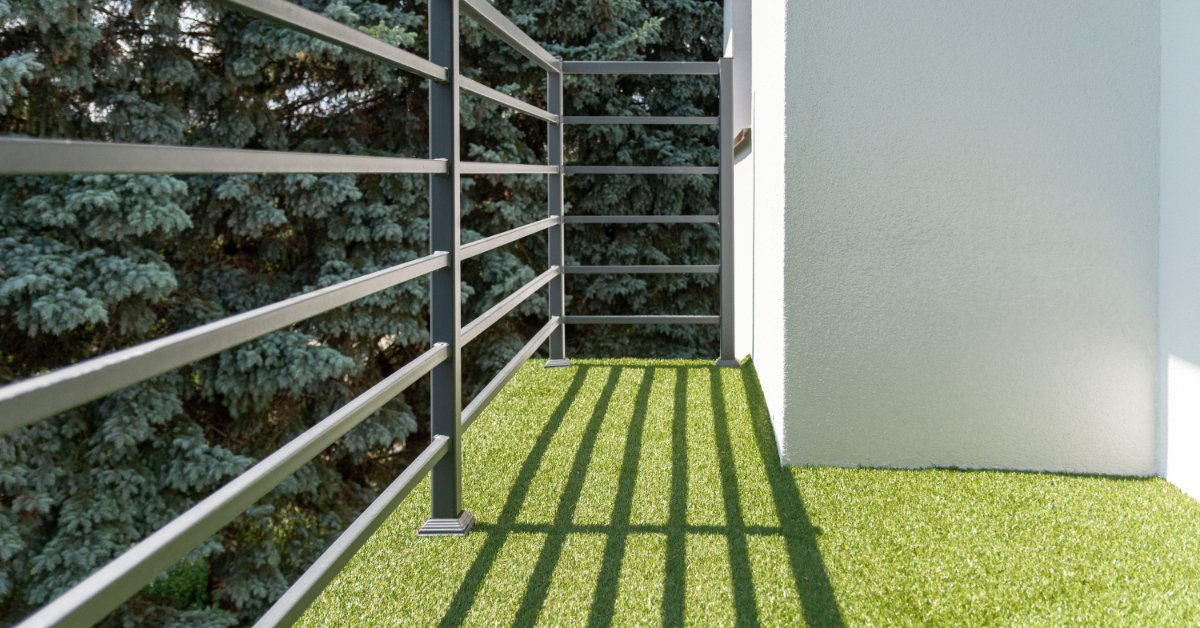
Aluminum railing has a naturally slim profile compared to wood or vinyl. The posts and balusters are thinner, so there's less visual bulk between you and your view.
If your deck overlooks a backyard, a garden, or anything worth looking at, aluminum keeps that sightline open. You're not staring through chunky posts. The railing does its job without dominating the space visually.
That slim profile also makes the deck itself look less crowded, which is especially noticeable on smaller decks where every inch of visual breathing room counts.
Powder Coating Gives You Color That Holds Up Long-Term
Aluminum railing is typically finished with a powder coat, which is a dry paint applied electrostatically and then cured under heat. The result is a surface that bonds tightly to the metal and resists chipping, peeling, and fading better than standard liquid paint.
What does that mean for how your deck looks? The color stays consistent season after season. You're not dealing with a railing that looks great in year one and starts looking patchy by year three.
Powder-coated finishes also have a uniform, even tone across the entire surface, giving the railing a more finished appearance than painted wood where brush strokes or grain variation can show through.
The Color Options Let You Match or Contrast Your Deck
Because powder coating can be applied in a wide range of colors, you're not locked into one or two standard finishes. Most aluminum railing lines come in matte black, white, bronze, and hammered or cocoa bronze tones depending on the manufacturer.
That range gives you real flexibility. You can match the railing to your decking material for a cohesive look, or contrast it so the railing becomes a visual detail rather than something that blends into the background.
Matte black aluminum against light composite decking is one of the most popular combinations right now, and it works because the contrast defines the edge of the deck clearly without any additional design effort on your part.
Aluminum Takes on Modern and Traditional Styles Equally Well
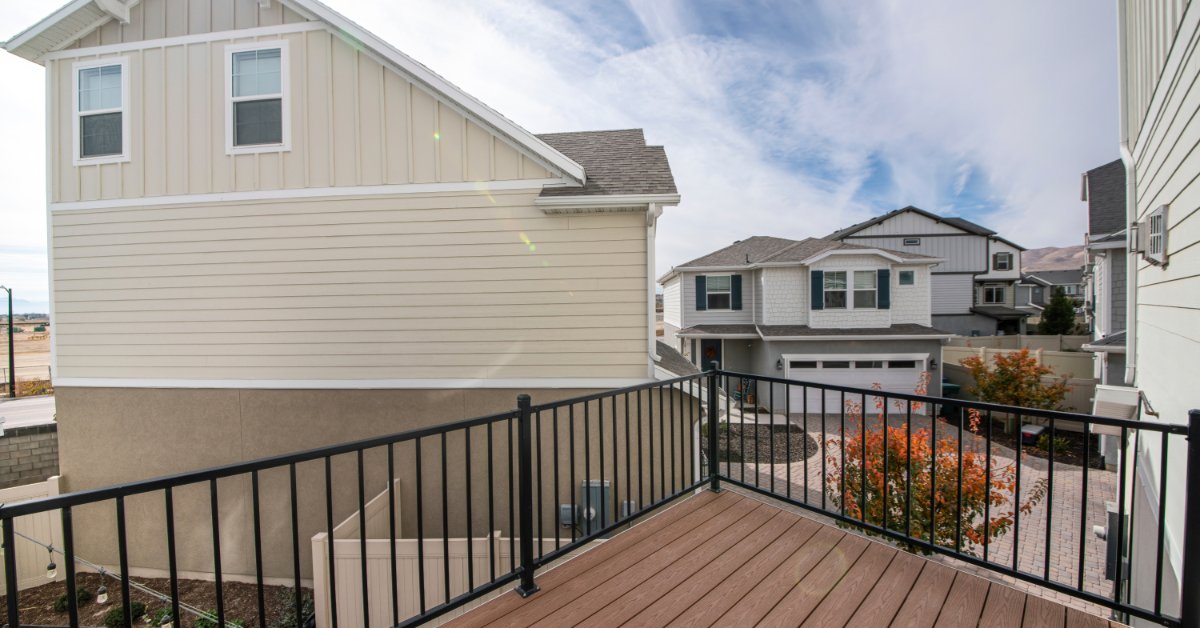
One thing aluminum does well is adapt. The same material works in a contemporary setting with horizontal rods or flat bar infill panels, and it also works in a more traditional setup with vertical balusters and a classic post style.
That versatility comes from the variety of baluster styles, post caps, and rail profiles available across different systems. You're not stuck with one look just because you chose aluminum. The base material supports multiple design directions depending on the components you select.
If your home has strong architectural lines, aluminum railing can mirror that. If your home has a more relaxed, traditional feel, a softer baluster profile and a routed top rail can match that instead.
Aluminum Keeps Its Shape, So the Lines Stay Crisp
Wood warps. Vinyl can bow in extreme heat. Aluminum doesn't do either. It holds its shape through temperature swings, humidity changes, and years of weather exposure.
Why does that matter aesthetically? Because a railing that warps or bows starts looking neglected even when it isn't. Wavy balusters and sagging rails change the visual of the whole deck. Aluminum avoids that because the material doesn't have the same structural vulnerabilities.
The posts stay plumb. The top rail stays level. The spacing between balusters stays even. That consistency is what keeps the railing looking properly installed over time rather than slowly drifting out of alignment.
No Visible Hardware Breaks Up the Design
A lot of aluminum railing systems are designed so the fasteners sit behind the rail or inside the post. You're not looking at exposed screws or bolt heads running along the top rail or down the side of a post.
Hidden fastener systems are more common in aluminum than in wood, where nails or screws are often visible. When the hardware disappears, the surface of the railing reads as one continuous line rather than a dotted track of metal heads.
That detail is easy to overlook when you're shopping, but you'll notice it once the railing is installed. A clean surface without visible fasteners looks sharp and deliberate rather than like a utilitarian construction project.
Low Maintenance Keeps the Railing Looking Fresh
Aluminum doesn't rust, rot, or need to be stained or sealed. The maintenance cycle is minimal. An occasional rinse with water is enough to keep the surface clean.
From an aesthetic perspective, that low-maintenance nature keeps the railing looking the way it did when it was installed. Wood that isn't refinished on schedule starts to gray, crack, or show water damage. Aluminum doesn't go through that cycle.
The powder-coated surface repels surface staining from rain, pollen, and grime, so the finish between cleanings stays closer to its original appearance without you having to do anything extra.
Aluminum Pairs Well with Other Deck Materials
Aluminum railing works alongside composite decking, pressure-treated wood, cedar, PVC decking, and most other common deck surfaces. The railing frames the space rather than pulling focus away from the decking itself.
You can choose your decking first based on color and texture, then find an aluminum railing color that complements it. The two materials don't fight each other the way mismatched wood tones can.
If you change your decking down the road, the aluminum railing can stay. The finish options are neutral enough to work with most updates you'd make to the deck surface over time.
Infill Options Let You Customize the Visual Density
The term "infill" refers to what goes between your top and bottom rail. With aluminum systems, you have a few directions to go. Vertical balusters are the most common and give the railing a traditional appearance. Cable infill opens the view because the horizontal wires take up minimal visual space. Glass panels take that even further by making the railing nearly transparent.
Each option changes how dense or open the railing looks. If your deck faces a view you want to preserve, cable or glass infill keeps that view in the picture. If you want more privacy or a more enclosed feel, closer-spaced balusters create that without adding a solid wall.
With aluminum systems supporting all three infill types, you're not choosing the material and then getting boxed into one visual.
The Case for Aluminum Is Pretty Simple
There are so many aesthetic benefits of aluminum deck railing. It's sleek without looking cold. It's versatile enough to fit almost any home style. It's low-maintenance in a way that actually keeps it looking good for years. What's there not to love about it?
If you've determined aluminum is the way to go for your railing project, Deck Expressions sells aluminum deck parts, including deck handrails, from brands like RDI, Deckorators, DekPro, and FortifyRail. Shop our aluminum railing selection and stock up on what you need to make your deck look exactly the way you want it.