Aluminum Railings for Modern Deck Designs
Posted by Deck Expressions on Feb 18, 2026
Decks have evolved from simple backyard platforms into true extensions of the home. They’ve become places for entertaining, relaxing, and showing off thoughtful design choices that reflect the overall architecture. While the items you have on your deck do most of the heavy lifting here, as outdoor living spaces become more refined, the smaller details start to matter more than ever.
Railing systems, in particular, play a major role in that finished look. The wrong choice can feel bulky or outdated, while the right one can sharpen the entire space. For homeowners aiming for a clean, contemporary aesthetic without addedmaintenance, aluminum railings may be exactly the solution needed to bring a modern deck design together.
What Makes Aluminum Railings a Natural Fit for Modern Decks
Once you start looking at railing systems through a modern design lens, aluminum really starts to stand out. That’s because most newer homes tend to favor straight lines, neutral palettes, and minimal detailing. A railing that feels bulky or overly decorative can disrupt that balance.
Aluminum supports the look thanks to its slim profiles and smooth finishes, creating definition without visual clutter. Rather than drawing attention away from the home or the view, aluminum frames the space cleanly.
It also delivers consistency over time. Wood can shift in color and shape as it ages, and some composite systems appear heavier than modern designs call for. Aluminum maintains its structure and finish, helping preserve the sharp, intentional look that defines a more modern design.
Design Elements That Define Modern Aluminum Railings
One thing that really stands out about aluminum deck railings is that their design components shape the entire feel of a deck. The right profile, finish, and infill style can turn a standard outdoor platform into a polished extension of the home.
Slim Profiles and Unobstructed Sightlines
One of the biggest advantages of aluminum is its strength-to-weight ratio. Because it is strong without being bulky, manufacturers can create narrow rails and pickets that meet code requirements without adding visual weight.
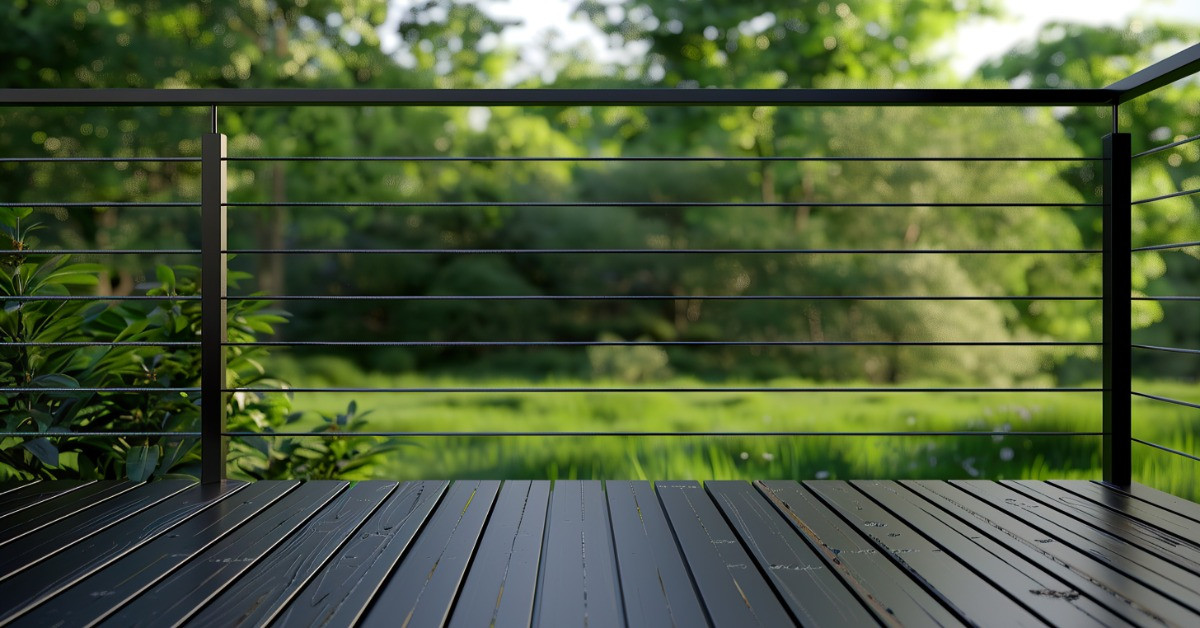
This matters on elevated decks, waterfront properties, and rooftops where the view is part of the investment. Slim aluminum components help keep sightlines open and uninterrupted. Instead of staring at thick posts and heavy rails, homeowners can focus on landscaping, a pool area, or the surrounding scenery.
Finish and Color Trends
Modern decks often lean toward simple, high-contrast color schemes. Matte black aluminum railings are especially popular because they frame the deck without overpowering it. Black works well against light siding, natural wood tones, and stone accents.
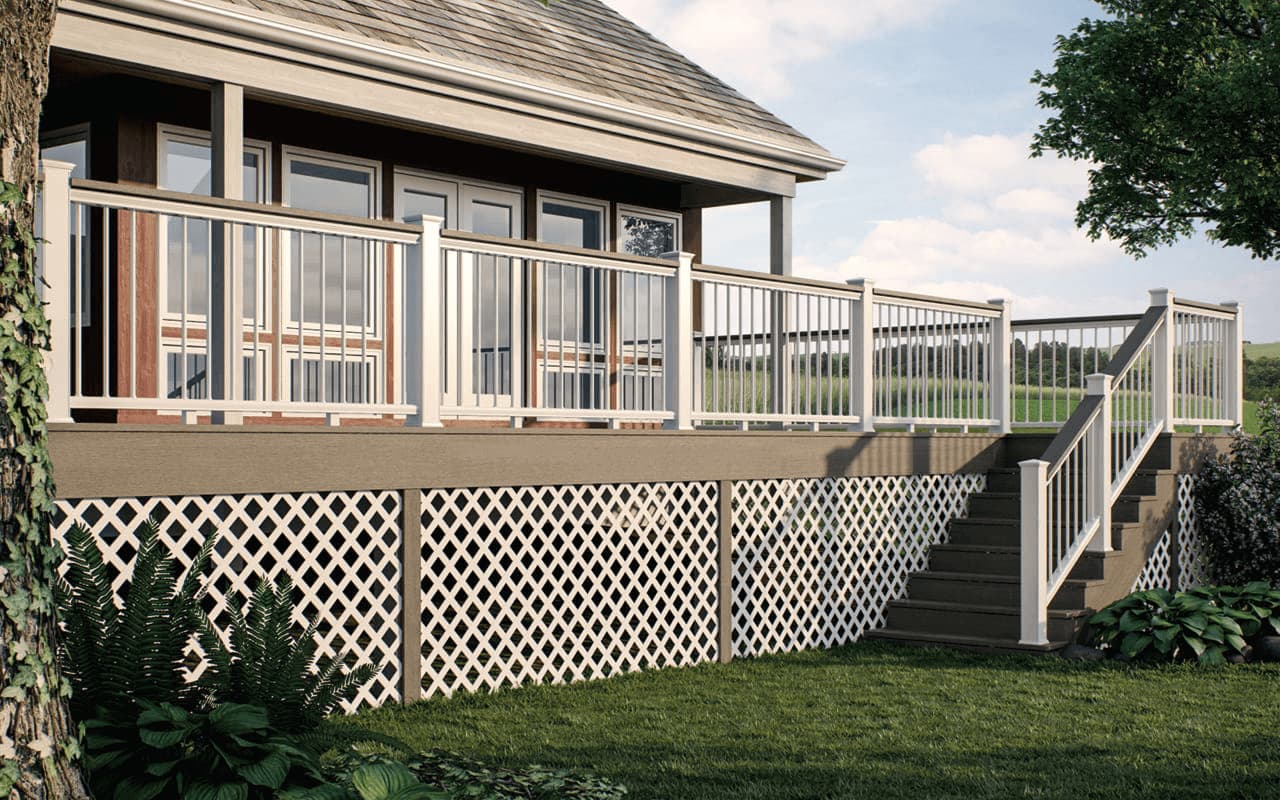
Bronze and white remain strong options as well, particularly when coordinating with window trim, fascia, or exterior details. Powder-coated finishes help these colors hold up over time, resisting fading and surface wear. That consistency supports the crisp, finished look modern designs depend on.
Infill Options for a Contemporary Look
Infill style plays a major role in how modern a railing system feels. Horizontal pickets can create a bold, linear effect that complements contemporary architecture. Clean vertical pickets with minimal detailing also work well when the goal is understated simplicity.
Some homeowners opt to pair aluminum frames with glass panels for a more open, upscale appearance. The aluminum provides structural support while the glass maintains wide, uninterrupted views. This combination is especially common on high-end or view-focused decks.
Performance Advantages That Support the Design

While appearance is a large focus of modern design, it’s not the only thing that matters. It’s also about efficiency and long-term performance. Aluminum railings support both.
Unlike more natural options, aluminum does not rot, crack, or attract insects. It also resists rust, making it a strong option in humid, rainy, or coastal environments. That resistance to corrosion helps maintain both structural integrity and surface finish.
Low maintenance is another major benefit. Aluminum railing systems typically require only occasional cleaning with soap and water. There is no sanding, staining, or sealing required. For homeowners who want a modern outdoor space without adding weekend maintenance projects, that kind of simplicity matters.
Because aluminum holds its shape and finish over time, it also supports the long-term visual consistency that modern design relies on. That means your deck will continue to look sharp years after installation.
Aluminum vs. Other Modern Railing Materials
When deciding if aluminum railings are the right choice for your modern deck’s design, it’s important to realize that it’s not the only material available to you. Looking at all your options and understanding how it compares to other common options can help clarify where it fits best.
Aluminum vs. Wood
Wood railings offer a traditional look, but they often feel heavier and more detailed than modern architecture calls for. Over time, wood can warp, crack, or fade if not maintained regularly.
From a maintenance perspective, aluminum requires far less ongoing work. It does not need staining or sealing, and it is less vulnerable to weather damage. For projects focused on clean lines and long-term durability, aluminum often aligns better with modern goals.
Aluminum vs. Composite
Composite railing systems can provide durability, but they tend to have thicker profiles. In some cases, that extra bulk works against the streamlined aesthetic modern homeowners want.
Aluminum generally offers a slimmer appearance while still meeting strength and code requirements. It also performs well in fluctuating temperatures without expanding or contracting in a way that affects alignment. When visual lightness is a priority, aluminum often has the edge.
Aluminum vs. Cable
Cable railing systems are another popular choice in contemporary design. They offer minimal obstruction and a distinct modern look. However, cable systems might require periodic tension adjustments to maintain proper performance.
Aluminum picket systems, by contrast, provide a fixed structure with fewer ongoing adjustments. Cost and style preference often drive the decision between the two. For homeowners seeking a balance between modern aesthetics and lower long-term maintenance, aluminum remains a strong contender.
Planning Your Aluminum Railing Layout
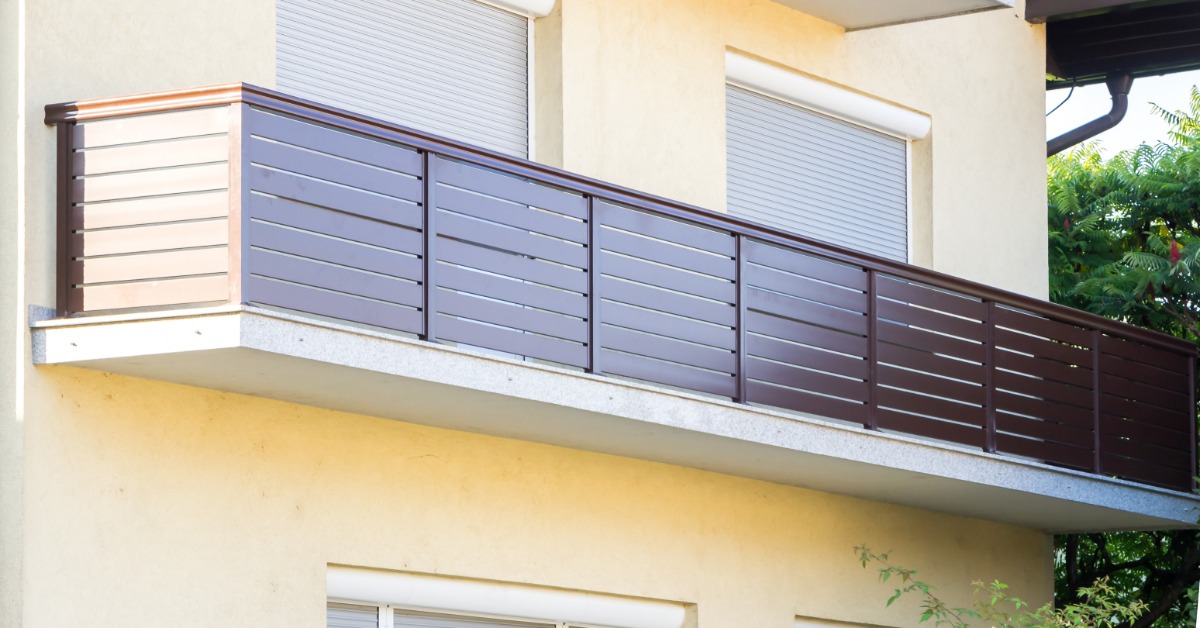
Choosing aluminum railings is only part of the process. Proper planning ensures the final result looks intentional and functions correctly. First, consider whether a pre-assembled panel system or a component-based system makes more sense. Pre-assembled panels can simplify installation, especially for DIYers. Component systems offer more flexibility for custom layouts and unique deck shapes.
Mounting style is another key decision. Surface-mounted systems attach directly to the deck surface, while fascia-mounted systems connect to the outer rim of the deck frame. Fascia mounting can create a slightly more open feel on the deck surface itself, which aligns well with modern design goals.
Building codes also play a role. Local requirements typically dictate railing height, spacing between pickets, and load resistance. Contractors and experienced DIYers should confirm these standards before purchasing materials to avoid delays or rework.
Finally, think about how the railing integrates with other deck elements. Post sleeves, lighting accessories, and stair sections should all align with the overall layout. A cohesive plan ensures the railing system enhances the deck rather than feeling like an afterthought.