Analyzing Load Capacity for Custom Deck Hardware
Posted by Deck Expressions on Nov 11, 2026
Custom deck hardware gives you more flexibility when standard connectors don't match your design. But just because a bracket looks thick or a bolt seems heavy-duty doesn't mean it'll handle the weight you're putting on it.
Analyzing load capacity for custom deck hardware requires looking at how much weight each connection carries and how the materials respond under pressure. Several factors affect whether a component will hold up once the deck is in use.
Here's what to examine before committing to a custom hardware design.
Determine How Much Weight the Hardware Will Support
Before you evaluate a custom connector, you need to know how much weight it'll carry. Different connections handle different amounts of weight depending on their location in the deck.
Dead loads account for the permanent weight of the structure itself. Live loads include the additional weight of people and anything placed on the deck.
Your local building code establishes minimum design loads, although certain projects require higher values. Once you know the loads that apply to your deck, you can calculate how much weight each connection needs to support.
Calculate the Tributary Area
Not every connection carries the same portion of a deck's weight. The amount depends on how the framing distributes loads between supporting members.
A tributary area is the portion of the deck surface that transfers its weight to a specific support. For example, a beam receives weight from the joists resting on it.
To estimate the load, multiply the tributary area's square footage by the applicable load per square foot. That calculation gives you the vertical force the support must handle.
From there, you'll have a number to compare against the custom hardware's rated capacity.
Follow the Load Through Each Connection
A custom bracket doesn't carry weight by itself. It transfers force into another component, which must have enough capacity to handle that force.
Think about a bracket supporting a beam. Weight travels from the beam into the bracket before reaching the supporting post.
If the connection between the bracket and post can't handle the load, a heavier bracket won't solve the problem. Every connection involved needs enough capacity to carry its portion of the force.
Following the load from one component to the next lets you identify where additional reinforcement may be necessary.
Check Fastener Shear Capacity
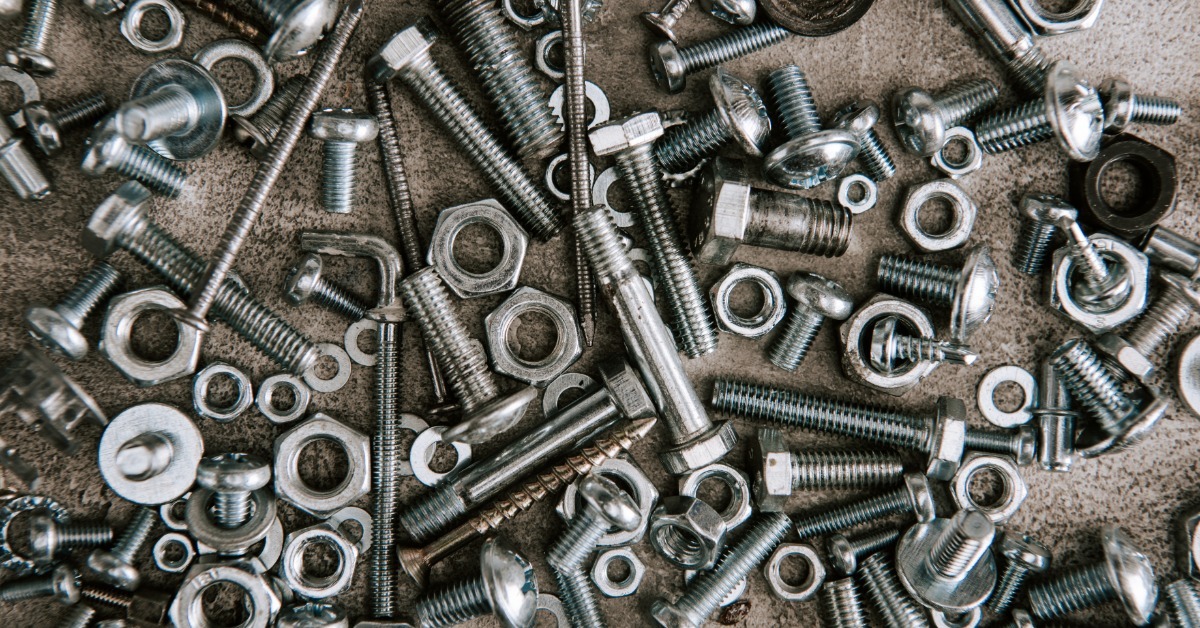
Bolts and screws experience shear when a load pushes across their shafts. Too much shear force can cause a fastener to deform or fail.
For example, a bolt holding a bracket against a post may experience shear as the bracket transfers weight into the post.
A thicker bolt doesn't necessarily provide enough capacity for the connection. The fastener's material and the properties of the components it's connecting affect how much force it can handle.
When reviewing custom hardware, compare the calculated shear load against the connection's allowable capacity. Remember that adding more bolts doesn't always distribute the force evenly between them.
Evaluate Fastener Withdrawal Resistance
Some connections experience forces that try to pull fasteners out rather than push across them. That's where withdrawal resistance becomes important.
Wind passing beneath an elevated deck can create upward pressure on the structure. Depending on the connection, that force may attempt to pull a fastener from the material holding it.
How securely the fastener engages with its mounting material affects its resistance to withdrawal. For screws installed into wood, embedment depth influences that resistance, while metal connections depend on factors such as thread engagement.
A fastener that handles downward loads without trouble may struggle against pulling forces. Check whether the connection needs additional resistance to uplift.
Measure Bearing Pressure
Bearing pressure occurs where one component presses against another. If too much weight concentrates on a small area, the supporting material may begin to deform.
For example, a bolt pressing against the inside of a hole in a metal bracket can deform the surrounding material if the pressure becomes excessive.
The amount of pressure depends on how much force reaches the contact area and how widely that force spreads.
A larger contact surface distributes weight across more material, reducing concentrated pressure. However, the supporting material still needs enough bearing capacity for the load.
Review Fastener Edge Distances
Where you position a bolt affects how much force the connection can handle. Placing it too close to the edge of a component increases the risk of damage under load.
When a load acts on the fastener, pressure transfers into the surrounding material. Without enough space between the bolt and the edge, a metal plate may tear or a wooden member may split.
Required edge distances depend on the connection's design and the direction of the force.
Custom brackets sometimes have predrilled holes that don't align with acceptable locations on the supporting component. Check those measurements before drilling into the structure.
Verify the Strength of the Metal
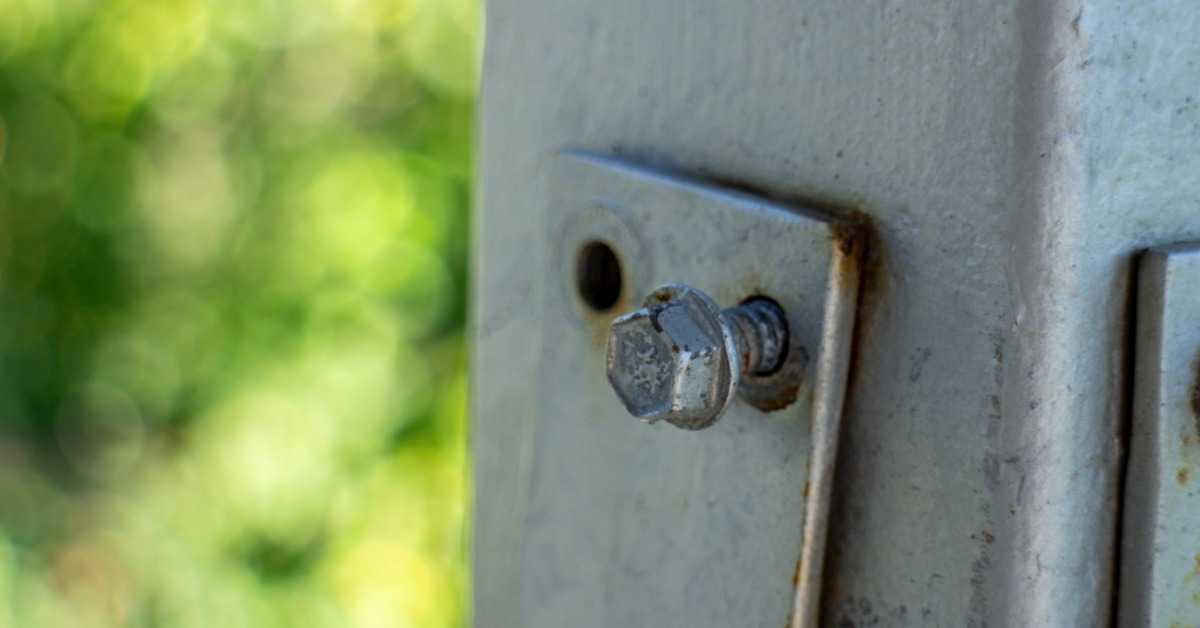
Two brackets with identical dimensions don't necessarily have the same strength. The type and grade of metal affect how much stress each one can withstand.
For steel hardware, yield strength tells you how much stress the material can tolerate before it begins permanently deforming. Different steel grades have different yield strengths, even when their dimensions match.
Custom hardware specifications should identify the material grade used during fabrication.
If the design includes welded joints, those connections need evaluation as well. A bracket made from high-strength steel can still fail where two pieces join if the weld lacks sufficient capacity.
Check for Excessive Movement
Hardware doesn't have to break to cause trouble. A connection that bends too much under normal loads can allow unwanted movement throughout the deck.
Engineers call this movement deflection. It measures how far a component moves or bends when force acts on it.
Brackets that extend outward from their mounting surfaces need particular attention because their shape increases the potential for movement.
When reviewing a custom design, compare its expected deflection against the project's performance requirements. A component may have enough strength to resist failure while still allowing more movement than the installation should experience.
Account for Corrosion Over Time
Deck hardware spends years exposed to rain and moisture, which can eventually cause corrosion. As metal corrodes, it loses thickness and becomes less capable of handling the weight placed on it.
Some environments accelerate this damage. In coastal areas, salt in the air increases the rate of corrosion, making metal protection even more important.
Galvanized coatings and corrosion-resistant metals protect hardware from moisture-related damage. However, the level of protection needs to match the conditions where you're building.
The materials your hardware connects to also affect corrosion resistance. Certain metal combinations can experience galvanic corrosion when moisture reaches the connection, so check that your hardware materials are compatible.
Build With the Right Hardware
Analyzing load capacity for custom deck hardware gives you a better idea of what each connection needs to handle. Weight ratings are a beginning, but the connection's actual design determines whether the hardware can carry its assigned loads.
If you're working with custom-fabricated components, have a qualified structural professional verify the calculations before installation. You don't want to discover a weak connection after the deck is finished.
At Deck Expressions, we offer hardware and railing options for your next project. Browse our selection of RDI railing to find railing components for your deck design.