Choosing the Right Deck Railing for Your Home
Posted by Deck Expressions on Feb 20, 2026
When most homeowners start planning a deck project, railing is not usually the first decision they think about. It often comes after decking boards, layout, and color choices. But once you begin looking at railing options, the number of materials, styles, and configurations can feel larger than expected. That’s where having a clear process helps.
Instead of jumping straight to appearance, it makes sense to think through how you plan to use the deck and what your space requires. From there, you can compare materials and refine the look. To ensure you choose the right deck railing system for your home, breaking the decision into steps will make it much more manageable.
Start with Function First
Before thinking about colors, profiles, or decorative accents, consider how your deck functions day to day. A railing system should support how you use the space, not just how it looks in a catalog. When you lead with function, you avoid choosing something that looks great but feels impractical once installed.
Safety and Code Requirements
Safety should always be the starting point. Most residential deck railings must be at least 36 inches high, though some local codes require 42 inches. Baluster regulations state that spacing should be tight enough to prevent a 4-inch sphere from passing through the openings, helping prevent a variety of preventable accidents. These standards are in place to protect both adults and children alike.
If your deck includes stairs, you will also need a graspable handrail that meets local building requirements. Stair railings have specific height and spacing guidelines that differ from level deck sections. It is important to verify local codes before purchasing materials, especially for elevated or second-story decks. Confirming compliance now can prevent costly adjustments later.
Views vs. Privacy
Once you’ve addressed safety requirements, it’s time to think about visibility. If your deck overlooks a backyard, pool, wooded area, or water view, an open railing system can preserve that sightline. Options like cable railing, aluminum balusters, or glass panels create a more open feel while maintaining protection. This approach works well when the surrounding scenery is a feature you want to highlight.
In contrast, if your deck faces neighboring homes or a busy street, privacy may be more important. Infill panels or tighter baluster spacing can create separation without making the space feel closed in. Some homeowners mix railing styles, keeping one side open and adding more screening where needed. Balancing airflow, light, and privacy helps the deck feel comfortable and functional.
Comparing Popular Deck Railing Materials
Once all that is settled, material selection is the next thing to consider. This choice has a major impact on durability, maintenance, and overall appearance. Each option comes with advantages and trade-offs, so understanding how they perform over time is key. Instead of focusing only on upfront cost, consider how much effort you want to invest in upkeep and how long you expect the railing to last.
Wood
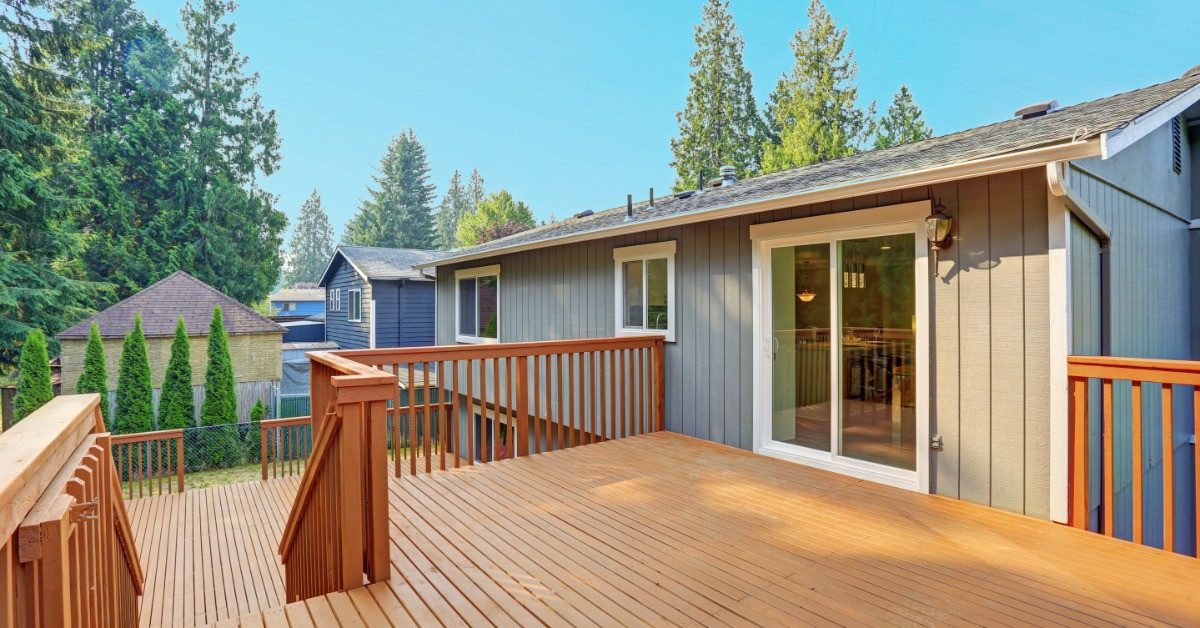
Wood railings offer a classic and familiar look that works well with many architectural styles. You can paint or stain them to coordinate with decking boards, trim, or exterior finishes. For homeowners who prefer a traditional aesthetic, wood remains a common choice.
However, wood requires ongoing maintenance to protect against moisture, sun exposure, and temperature changes. Staining or sealing is typically needed on a regular schedule to prevent cracking, warping, or rot. Over time, exposure to the elements can affect appearance and structural integrity. Choosing wood often means committing to that upkeep.
Composite
Composite railing systems are designed to provide the look of wood with reduced maintenance demands. They resist splintering, insect damage, and fading better than traditional lumber. Most composite systems only require occasional cleaning with mild soap and water to maintain their appearance.
Color consistency is another advantage, since you do not need to repaint or restain to keep the finish uniform. While the upfront investment may be higher than wood, the long-term maintenance savings can offset that difference. Composite is often a strong fit for homeowners who want durability with minimal effort.
Aluminum and Vinyl
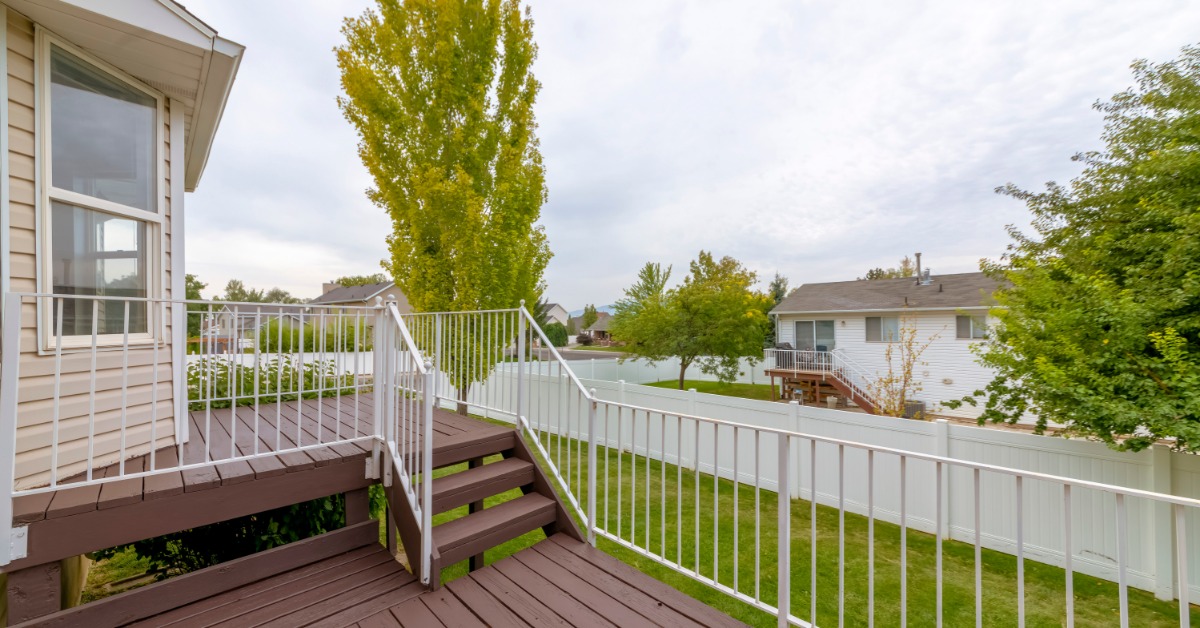
Aluminum railing is lightweight, strong, and rust-resistant, making it a practical choice for many climates. It is commonly available in neutral finishes that pair well with modern and transitional homes. Maintenance is minimal and typically limited to periodic cleaning. This makes aluminum appealing for those who prefer a clean, low-profile look.
Vinyl railing is another low-maintenance option that resists moisture and does not require painting or sealing. It is often budget-friendly and performs well in a variety of environments. While color choices may be more limited compared to other materials, vinyl offers dependable performance with very little upkeep. Both aluminum and vinyl systems are popular for their practicality and ease of ownership.
Glass Panels
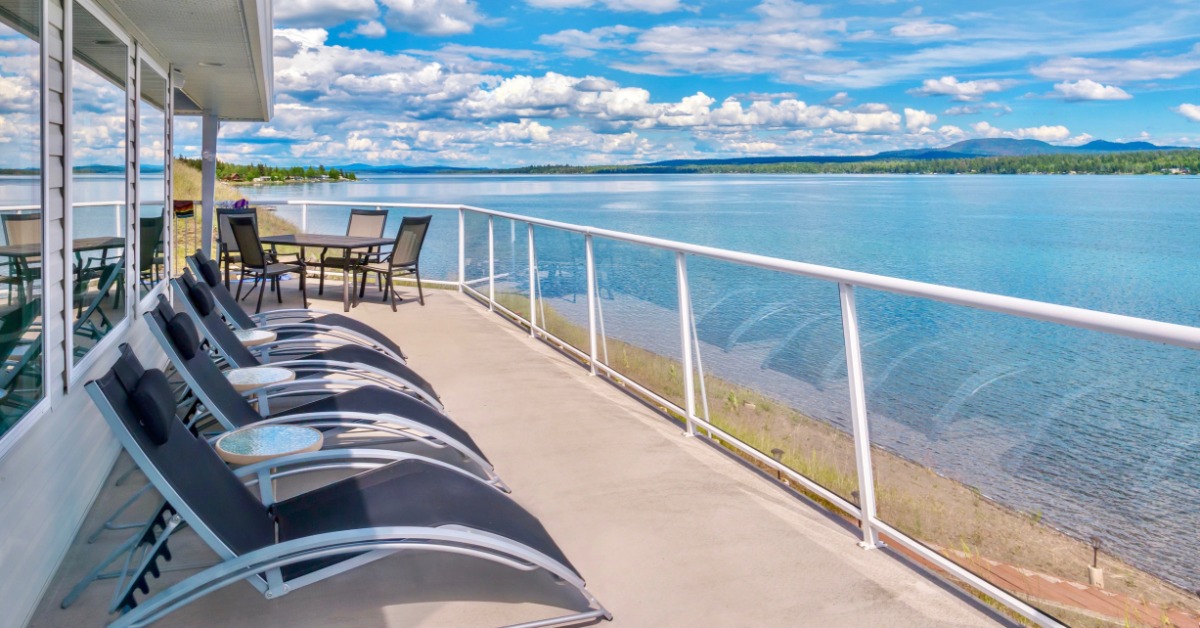
Glass panel railings provide unobstructed views and a contemporary appearance. They are especially popular for decks overlooking scenic landscapes where preserving sightlines is a priority. Tempered glass panels are designed for strength and durability when properly installed.
Regular cleaning is typically required to maintain clarity and remove water spots or fingerprints. Despite the additional cleaning effort, many homeowners choose glass for its visual impact. When views are central to the deck experience, glass panels can significantly enhance the overall design.
Key Details That Make a Difference
After narrowing down material and structure, smaller design details can elevate the finished look. Post sleeves and wraps are one way to create a polished appearance while covering structural posts. Decorative post caps can add subtle character, whether you prefer a simple flat top or a more defined profile.
Mixing materials is another strategy that adds visual interest. For example, pairing composite posts with aluminum balusters can create contrast without overwhelming the design. Coordinating railing color with decking boards, fascia, or trim helps the space feel cohesive. Attention to hardware, brackets, and connectors also ensures the final installation looks intentional rather than pieced together.
Matching Railing Style to Your Home
The final consideration you need to make when choosing the right deck railing for your home is how it will complement your preexisting architecture. A well-chosen railing system should feel integrated with the exterior rather than standing out as an afterthought. Paying attention to lines, proportions, and finishes helps create a unified appearance.
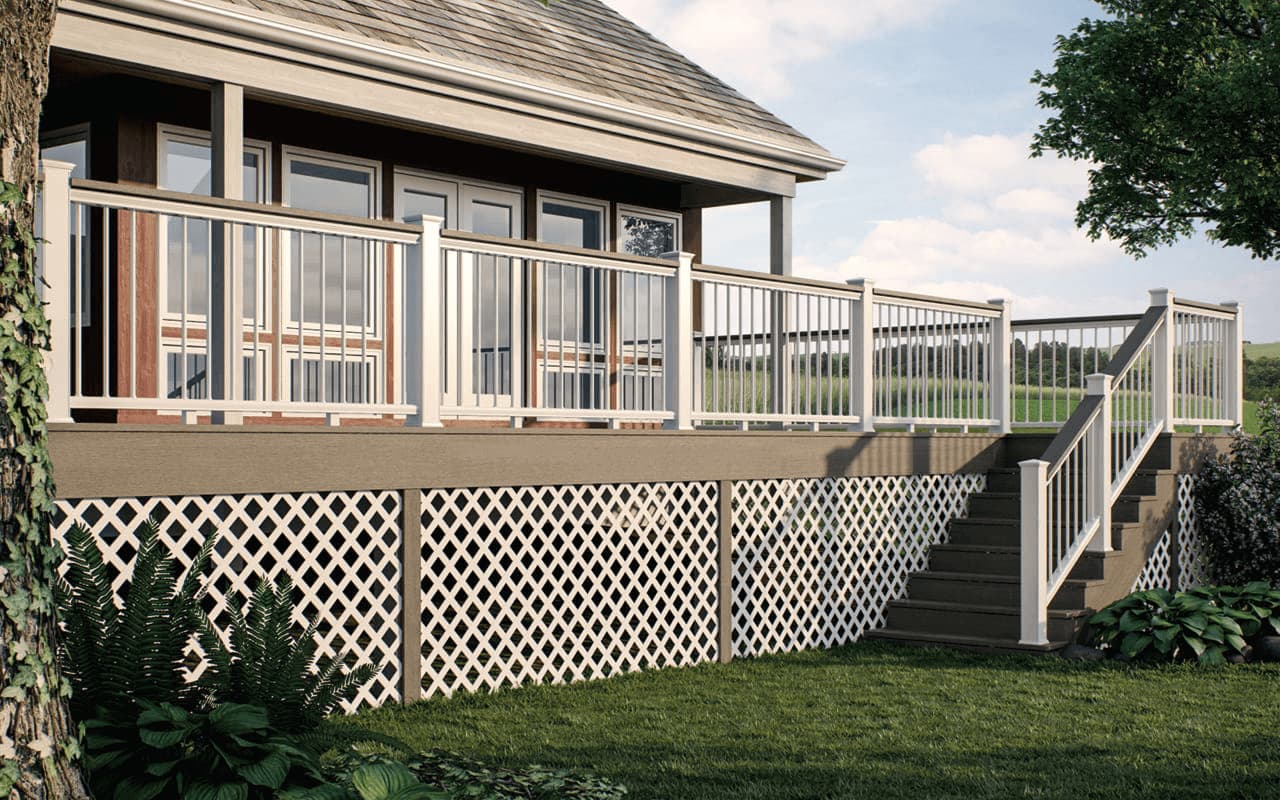
Modern homes often pair well with horizontal cable systems, sleek aluminum profiles, and darker finishes. These designs emphasize clean lines and openness. Traditional homes typically look best with classic balusters, composite or wood railings, and decorative accents that reflect established architectural details.
For coastal or waterfront homes, lighter colors and corrosion-resistant materials are often preferred. White railing systems and stainless components can withstand humid or salty conditions while maintaining a bright, relaxed look. By aligning railing style with your home’s overall character, you create a deck that feels cohesive and thoughtfully designed.
If you don’t know where to start your search, Deck Expressions is here to help. We offer a wide range of railing options, but RDI railing systems are among our most popular. Be sure to check them out to see if they are just what you’ve been looking for.