Comparison Guide: Top-Rated Deck Railing Materials That Last
Posted by Deck Expressions on Aug 17, 2026
There are dozens of different railing materials out there, from wood to vinyl to aluminum to cable. How do you select the right one for your deck? One factor you'll want to consider is durability. Looks, price, installation ease—none of these other factors matter if the railing fails after just a few seasons, after all. Here are some of the top-rated deck railing materials for longevity that are worth your time.
Aluminum Railing
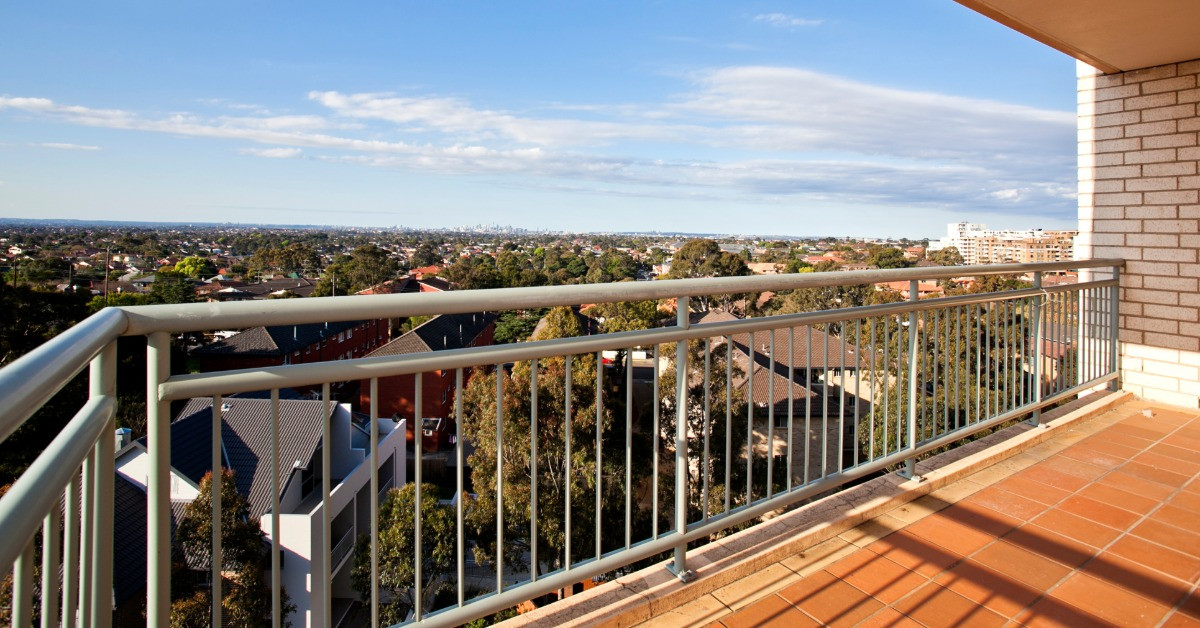
Aluminum doesn't rust. That's the single biggest reason contractors keep reaching for it on coastal and high-humidity projects. The material is naturally resistant to moisture, and most aluminum railings come with a powder-coated finish that protects against UV fading and surface corrosion.
Aluminum is also lightweight without being flimsy. It holds its shape under repeated temperature shifts, so you won't see it warping or cracking the way some organic materials do over time.
Why it lasts:
- Naturally corrosion-resistant without additional treatment
- Powder coating protects the surface from UV damage and weathering
- Won't warp, rot, or crack with seasonal temperature changes
- Low maintenance year over year
Stainless Steel Cable Railing
Cable railing uses horizontal or vertical stainless steel cables stretched between posts. It's a popular pick when the view matters as much as the structure, but the material itself is what makes it a long-term investment.
Marine-grade stainless steel—typically 316-grade—handles salt air, rain, and freeze-thaw cycles without breaking down. The cables stay taut over time when properly tensioned, and they don't need painting or staining to hold up.
Why it lasts:
- 316-grade stainless steel resists corrosion in coastal and high-moisture environments
- Cables don't rot, splinter, or absorb water
- Requires minimal upkeep beyond occasional cleaning
- Tensioning hardware is built to hold under repeated load and weather stress
Composite Railing
Composite railing is made from a blend of wood fiber and plastic. The combination gives you the look of wood without the maintenance schedule that comes with it. Because the plastic component repels moisture, composite railing won't absorb water the way untreated wood does, which cuts down on rot and swelling.
Quality composite railings also carry UV inhibitors in the material itself, not just in a surface coat. That's what keeps the color from washing out after a few summers.
Why it lasts:
- Moisture-resistant construction prevents rot and swelling
- UV inhibitors built into the material protect color over time
- Won't splinter, crack, or require annual sealing
- Holds up in both dry and wet climates
Vinyl Railing
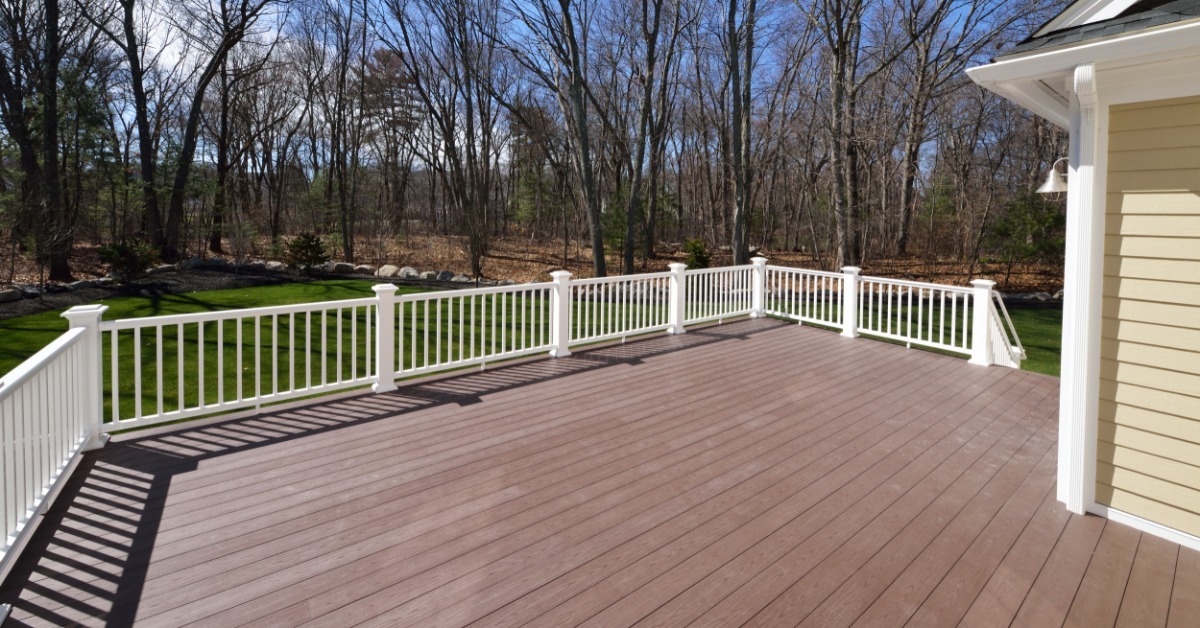
Vinyl railing is made from PVC, which doesn't absorb water and won't rust. It's one of the lower-maintenance options on this list, which is part of why it's stayed popular with homeowners who want a railing that doesn't need seasonal attention.
The tradeoff to know about: vinyl can become brittle in extreme cold. In climates with harsh winters, you want to check that the vinyl product you're buying is rated for low-temperature performance. Not all of them are.
Why it lasts:
- PVC construction won't rot, rust, or absorb moisture
- Holds color without painting or staining
- Resistant to insects and general surface wear
- Easy to clean with water and basic household cleaner
Wrought Iron Railing
Wrought iron is one of the oldest railing materials still in use, and there's a reason it's never gone away. The material is dense, heavy, and built to take force without bending or shifting. A properly installed wrought iron railing can last decades without structural compromise.
The one area that needs attention is surface protection. Wrought iron will rust if the finish gets scratched and moisture reaches the bare metal. Regular inspection and touch-up painting keeps that from becoming a problem.
Why it lasts:
- Extremely dense construction resists physical impact and structural flex
- Can last 50+ years with proper maintenance
- Powder coating or paint creates a moisture barrier against rust
- Won't warp or crack under heavy load
Glass Panel Railing
Glass panel railing uses tempered or laminated safety glass set into a frame or held in place with hardware. The panels themselves are engineered to resist shattering, and because glass doesn't absorb water, moisture damage isn't a concern for the panel surface.
What wears down first in a glass railing system is usually the hardware, not the glass. Stainless steel or aluminum framing components extend the life of the full system by resisting corrosion at the connection points.
Why it lasts:
- Tempered safety glass resists impact and won't absorb moisture
- Doesn't rust, rot, or splinter
- Framing material choice—aluminum or stainless steel—protects connection points
- Panels retain clarity without special treatment in most climates
Steel Railing
Structural steel railing brings serious load capacity to any deck build. It's used frequently on commercial projects and high-traffic residential decks where the railing needs to perform under consistent pressure. Steel doesn't flex the way thinner metals do, which is why it holds its shape over years of use.
Like wrought iron, bare steel needs surface protection to prevent rust. Galvanized or powder-coated steel carries that protection built in, which removes most of the maintenance concern for residential use.
Why it lasts:
- High load capacity without structural flex
- Galvanized or powder-coated finishes block moisture from reaching bare metal
- Won't warp or crack under weight or weather
- Long service life when the finish is maintained
Wood Railing
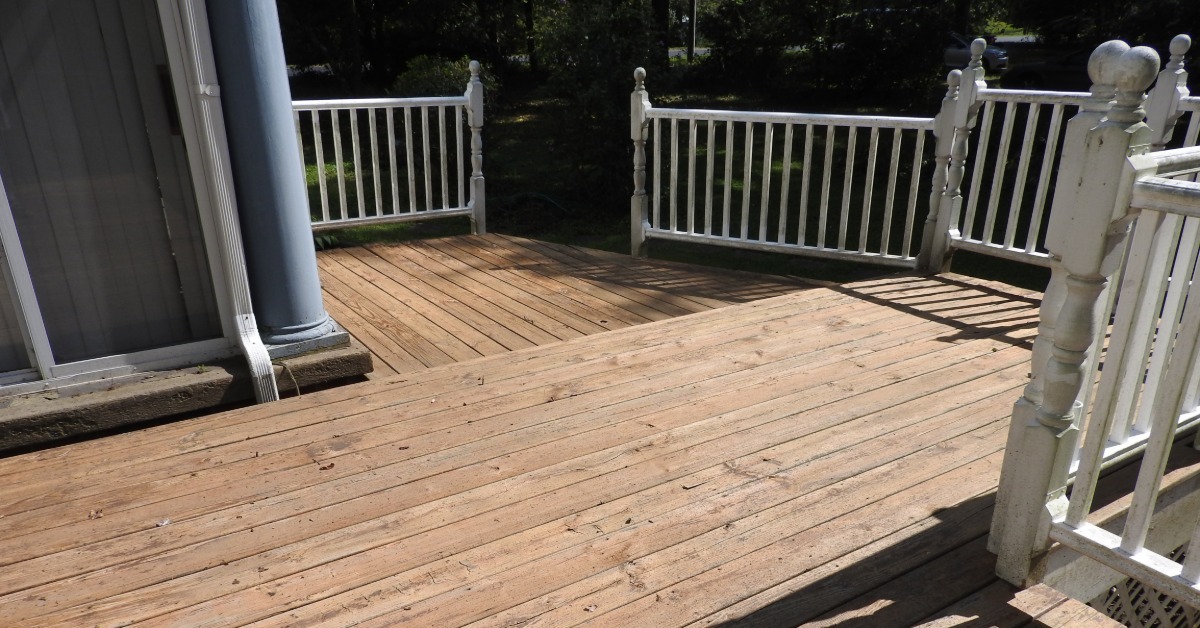
Wood railing is the most traditional option, and in the right conditions, it holds up well. Hardwoods like ipe or cedar contain natural oils that slow moisture absorption and resist insect damage without additional chemical treatment. That's a different situation than pressure-treated pine, which relies on a chemical infusion rather than the wood's own properties.
The honest reality with wood: it needs more upkeep than any other material on this list. Sealing, staining, and inspecting for soft spots every season is part of the deal. Skip that routine and the lifespan drops fast.
Why it lasts (when maintained):
- Hardwoods like ipe and cedar resist moisture and insects naturally
- Dense grain structure resists cracking under normal load
- Refinishing restores the surface when weathering starts to show
- Long lifespan in dry climates with consistent maintenance
Horizontal Metal Balusters
Horizontal metal balusters—typically aluminum or steel—are a design-forward option that also delivers serious longevity. Because the balusters are metal rather than wood or composite, they won't deteriorate from moisture exposure. The horizontal orientation doesn't affect durability, but it does change the load distribution across the post system, so the posts need to be spaced and anchored correctly.
Powder-coated finishes on aluminum balusters hold up for years without fading or chipping when properly applied. Steel versions offer the same surface protection with added weight and rigidity.
Why it lasts:
- Metal construction won't rot, absorb moisture, or splinter
- Powder coating protects against UV and surface corrosion
- Works with aluminum or steel post systems for a fully metal assembly
- Low maintenance beyond occasional cleaning
The Bottom Line on Deck Railing Durability
These are the top-rated deck railing materials that last. Each one handles weather, wear, and time differently, but every option on this list is built to hold up under demanding conditions, so you end up with a railing that looks as good ten years from now as it did the day you installed it.
At Deck Expressions, we carry RDI railing systems for decks. RDI's line features durable stainless steel cables and aluminum components, for a sleek, low-maintenance finish that holds up season after season. Shop the available systems today and choose the setup that fits your project.