Composite Railings vs. Wood: What Homeowners Need
Posted by Deck Expressions on Feb 19, 2026
Choosing the right deck railing for your home isn’t just about looks. They affect many different aspects of your deck. While there are quite a few options to choose from, in many cases, homeowners have to choose between composite railings and traditional wood ones.
Both options are widely used, readily available, and capable of meeting residential building codes, but they differ in terms of durability, maintenance, appearance consistency, and long-term ownership experience. Understanding those differences upfront helps avoid regrets later.
Material Basics: What Are You Actually Buying?
Before comparing performance or cost, it helps to understand what these materials are and how they behave. Composite and wood may serve the same purpose, but they’re built very differently.
What Composite Railings Are Made Of
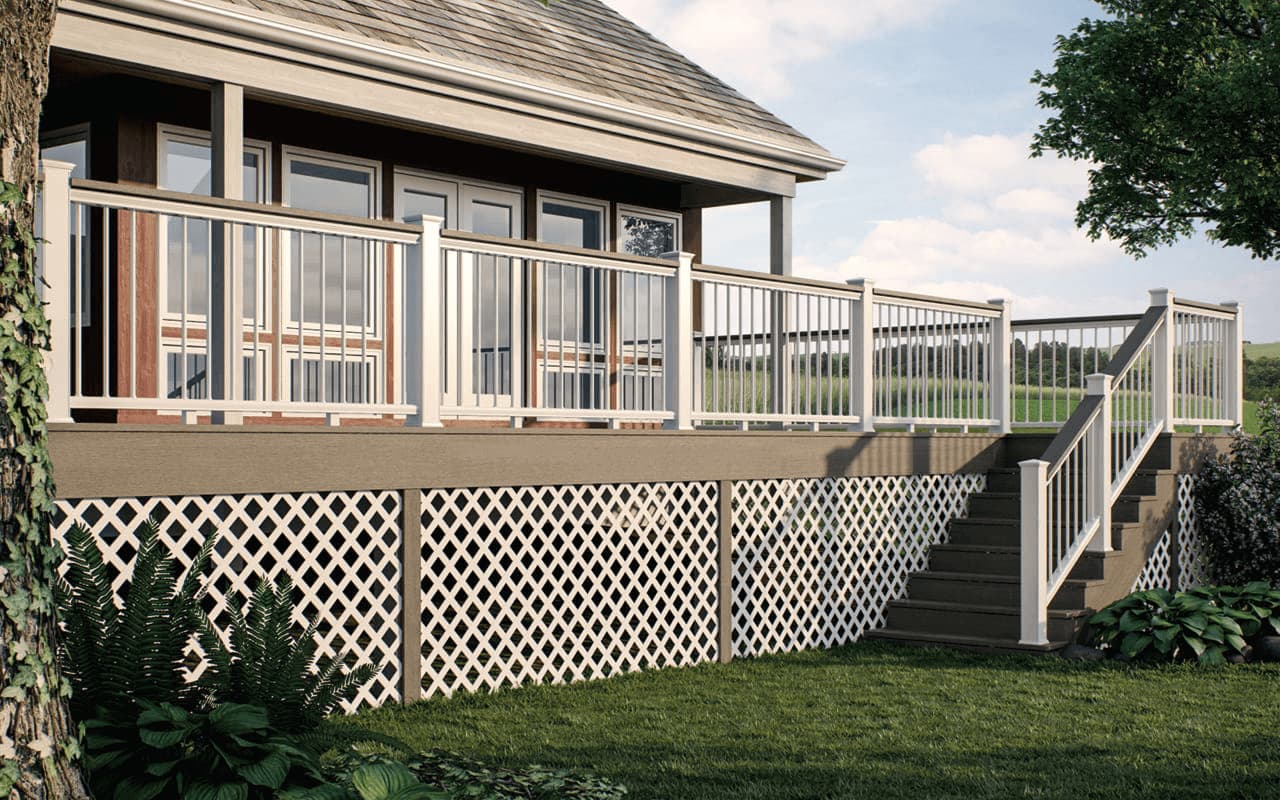
Composite railings are manufactured products, typically made from a blend of recycled wood fibers and plastics. These materials are combined, molded, and finished to create consistent railing components designed for outdoor use.
Because composite railings are engineered rather than grown, they offer uniform sizing, color consistency, and predictable performance. They are designed to resist moisture, insects, and rot, which are common issues with natural wood. Most composite railing systems are sold as coordinated kits that include rails, balusters, and post components designed to work together.
What Wood Railings Are Made Of
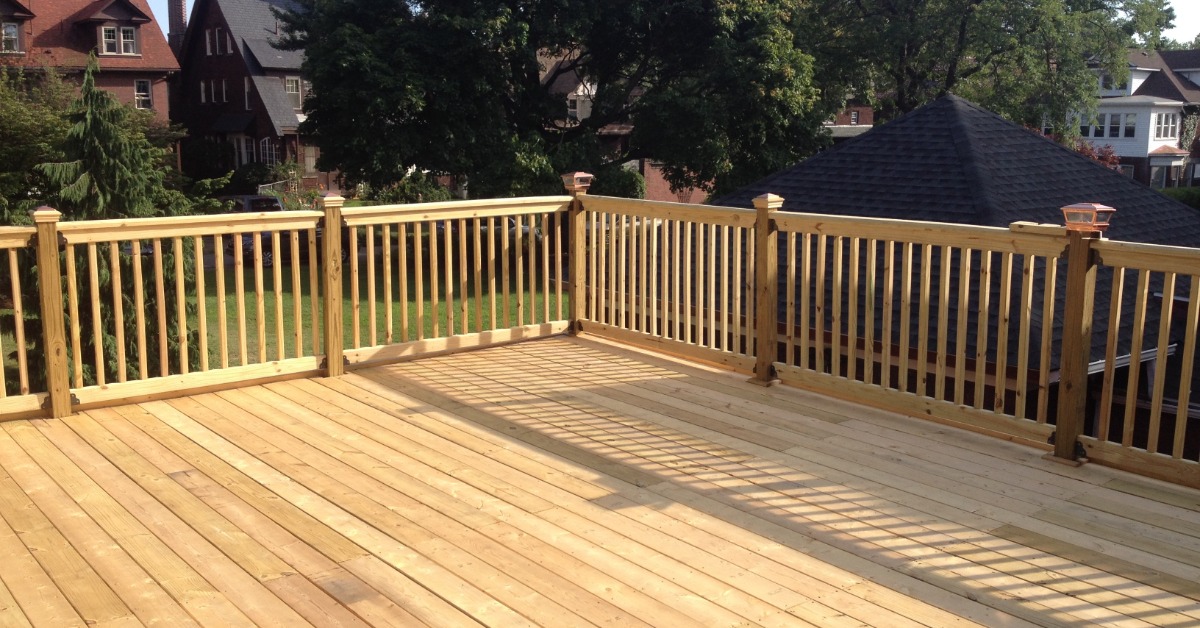
Wood railings are a bit more self-explanatory, but they are usually built from a variety of pressure-treated lumber, cedar, redwood, or other naturally durable species. Each board is unique, with natural grain patterns, knots, and color variations.
This natural variation is often part of wood’s appeal, but it also means performance can vary board to board. Wood is more susceptible to moisture absorption, expansion, contraction, and surface wear. Even treated lumber requires ongoing protection to maintain structural integrity and appearance.
Appearance and Design Flexibility
For many homeowners, aesthetics are the deciding factor. That’s because railings are highly visible and can dramatically affect the overall look of a deck and home exterior. Let’s take a deeper look at how.
Color, Texture, and Finish Options
Composite railings offer consistent color across all components. They are available in a range of neutral tones, from white and black to browns and grays, and they tend to hold their color better over time. Fading still happens, but it’s usually gradual and uniform.
Wood railings provide a natural grain and texture that composite can’t fully replicate. Homeowners can stain or paint wood in nearly any color, but that flexibility comes with ongoing maintenance. Over time, exposure to sun and moisture can cause uneven fading, peeling, or discoloration.
Customization and Design Range
Wood railings are easy to cut, shape, and modify on-site, making them appealing for custom designs or non-standard layouts. Decorative cuts, custom post caps, and unique profiles are easier to achieve with wood.
Composite railing systems are more modular. While design options are more limited, the tradeoff is precision and consistency. Many homeowners prefer the clean, uniform look, especially for modern or low-maintenance deck designs.
Durability and Lifespan
Since they’re constantly outdoors, railings face constant exposure to weather and temperature changes. Durability is one of the biggest points of separation between composite and wood.
Weather Resistance and Moisture Performance
Composite railings are designed to resist moisture absorption. They do not rot, split, or warp the way wood can, making them well-suited for humid or wet climates. Seasonal expansion and contraction still occur, but they are minimal and accounted for in system design.
Wood railings are more vulnerable to moisture-related issues. Even pressure-treated lumber can crack, warp, or rot over time if not properly maintained. Freeze-thaw cycles and prolonged sun exposure can accelerate deterioration, especially if protective coatings wear off.
Impact Resistance and Daily Wear
Of course, weather isn’t the only factor that wears out railings—so does regular use. Composite railings hold up well to everyday wear from furniture, foot traffic, and normal use. They are less likely to splinter or develop surface damage that affects safety.
Wood railings can dent, splinter, or crack over time. Splintering is a common concern for families with kids or pets, and damaged boards often need to be sanded, repaired, or replaced to maintain safety.
Maintenance Requirements Over Time
Maintenance is where many homeowners realize the true cost of their railing choice. The difference between composite and wood becomes more noticeable year after year.
Ongoing Maintenance for Composite Railings
Composite railings require minimal upkeep. The occasional cleaning with soap and water is usually enough to keep them looking good. There is no need for staining, sealing, or painting.
Because the color is built into the material, scratches and wear are less noticeable. Homeowners who prefer a low-effort exterior often choose composite specifically to avoid recurring maintenance tasks.
Ongoing Maintenance for Wood Railings
Wood railings demand regular attention. Most need to be stained or sealed every few years to protect against moisture and UV damage. Painted railings require scraping and repainting as finishes peel or fade.
Failing to maintain wood railings can significantly shorten their lifespan if you’re not careful. What starts as cosmetic wear can quickly turn into structural issues if moisture penetration goes unchecked.
Cost Considerations Beyond the Price Tag
An important thing for homeowners to remember when comparing composite and wood railings is that looking only at the upfront price can be misleading. A full cost comparison should include long-term expenses and time investment.
Upfront Material Costs
Wood railings generally cost less upfront than composite options. Pressure-treated lumber is widely available and budget-friendly, making it appealing for cost-conscious projects.
Composite railings typically cost more upfront due to the manufacturing process and system components. Still, that higher price might be worth it in the long run.
Long-Term Ownership Costs
Over time, maintenance costs can narrow or even eliminate the price gap. Stains, sealers, paint, tools, and labor add up for wood railings. Repairs and board replacements may also be necessary.
Composite railings offer more predictable long-term costs. While you still might need to repair it at times, it’ll be far less common. It’s also worth noting that replacement components might be more expensive than wood, but for many homeowners, that tradeoff is worth it to avoid ongoing upkeep.
Installation Factors Homeowners Should Know
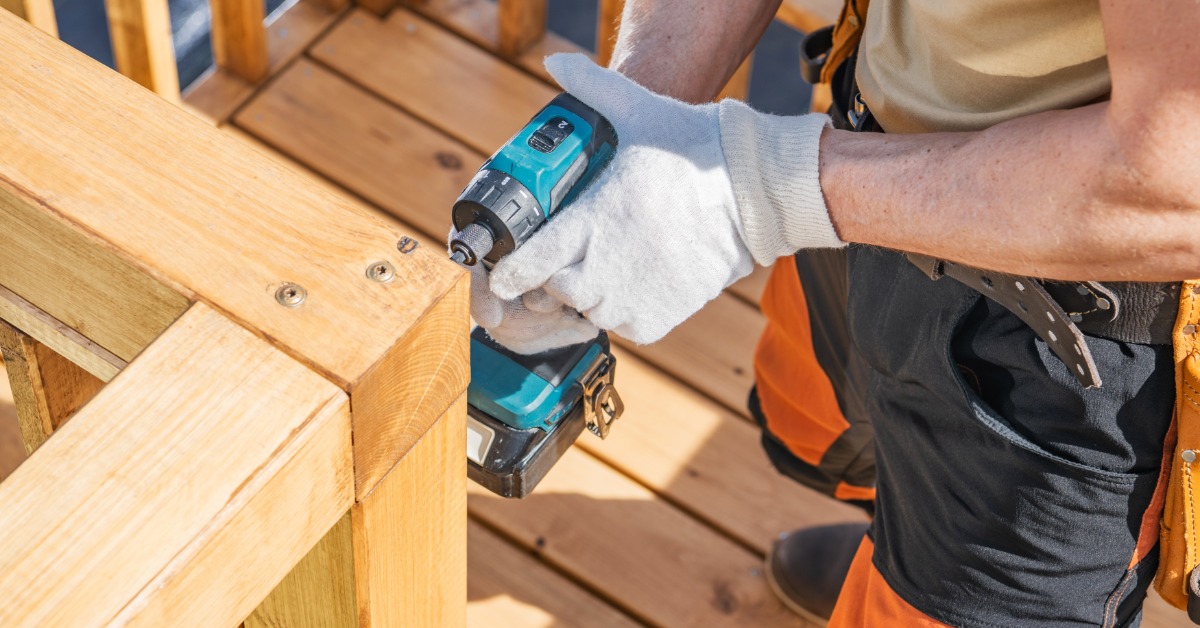
Installation experience varies depending on the material and the complexity of the railing system. This can influence both cost and project timelines.
Installation Complexity
Wood railings are familiar to most contractors and DIYers. Users can cut and adjust wood on-site, making it easier to accommodate uneven decks or custom layouts.
Composite railing systems require more precision. Components must be installed according to manufacturer guidelines, including spacing, fasteners, and expansion allowances. When installed correctly, the result is a clean, uniform finish.
Compatibility With Existing Decks
Both materials can work with existing decks, but some retrofits are easier than others. Composite railing systems may have specific post spacing or mounting requirements that homeowners need to verify in advance.
Wood railings are more forgiving when working around older deck structures. That flexibility can simplify replacement projects, especially when structural elements are not perfectly aligned.
Which Option Makes Sense for Different Homeowners
Composite railings tend to appeal to homeowners who value low maintenance, long-term durability, and a clean, consistent appearance. These deck-building materials are often chosen for primary residences and decks meant to last for decades with minimal upkeep.
Wood railings are better suited for homeowners who prefer a natural look, want maximum customization, or don’t mind regular maintenance. They can be a practical choice for short-term ownership or projects where upfront cost is the top priority.