Deck Gate Hardware That Balances Safety and Style
Posted by Deck Expressions on Aug 10, 2026
A gate can match a set of railings perfectly, but still make the deck feel unfinished if it’s starting to drag along the ground or refuses to latch. These types of issues rarely come from the gate panel itself. They usually originate with lackluster hardware. Fortunately, you don’t have to choose between style and function. The perfect deck gate hardware exists; you just need to find a set that balances safety and style properly.
Let the Latch Control the Experience
The latch is the part you touch most often, so its action shapes how the entire gate feels. A latch that needs two hands or a hard pull becomes irritating quickly, and that frustration can lead people to leave the gate unsecured. Smooth engagement matters more than decorative detail when it comes to daily use.
Placement deserves the same attention as latch style. A handle that sits too close to the rail can pinch your fingers, while an awkward release may be difficult to reach from the approach side. You should be able to open the gate without twisting your wrist around the post.
A low-profile latch can preserve clean railing lines, but it still needs a clear visual cue. Hardware that disappears completely may look refined, yet guests shouldn’t have to search for the release. The strongest choice feels intuitive without becoming the visual center of the opening.
Hinge Geometry Determines Long-Term Alignment
Gate hinges don’t just provide a pivot. They also carry a moving load that repeatedly pulls away from the supporting post. If the hinge leaves flex or the mounting screws are too close together, the gate can sag even when all fasteners remain tight.
Wider hinge plates spread the load across a larger area of the frame. That bearing area helps resist the twisting force created when the gate hangs open. It also helps the hardware stay square as surrounding materials move.
The hinge axis matters as well. When the pivot points don’t align vertically, the gate may bind during part of its swing. You can force it closed, but that pressure transfers into the latch and mounting points. Correct geometry keeps the motion predictable and reduces wear throughout the system.
Self-Closing Hardware Should Feel Controlled
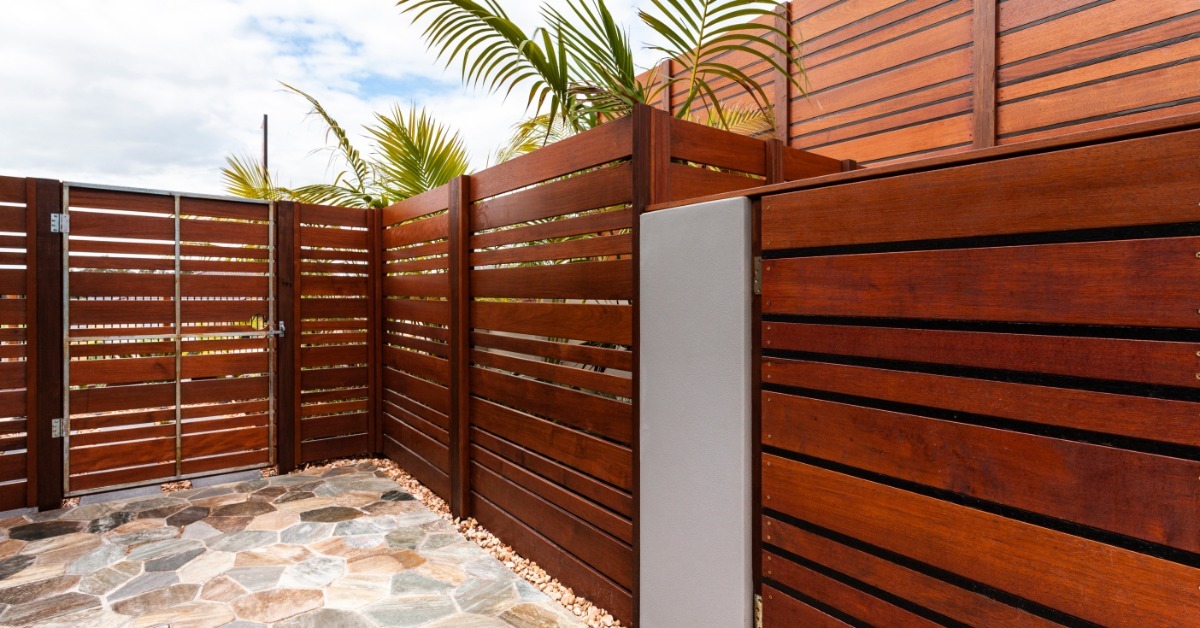
A self-closing gate shouldn’t snap shut like a spring-loaded door. It should return with enough force to reach the latch without a violent impact. Controlled motion protects fingers and reduces the repeated shock that can loosen hardware.
Adjustable hinges give you control over closing speed and tension. They also let you compensate when seasonal changes affect the gate’s weight or alignment. Fixed-tension hardware may work at first, but it offers little help when the gate begins closing too slowly or too aggressively.
Test the gate from several open positions rather than judging it from a full swing. A gate that closes at ninety degrees may still stall when opened only a few inches. Reliable performance depends on consistent movement across the range that people use.
Match the Finish Without Creating a Hardware Display
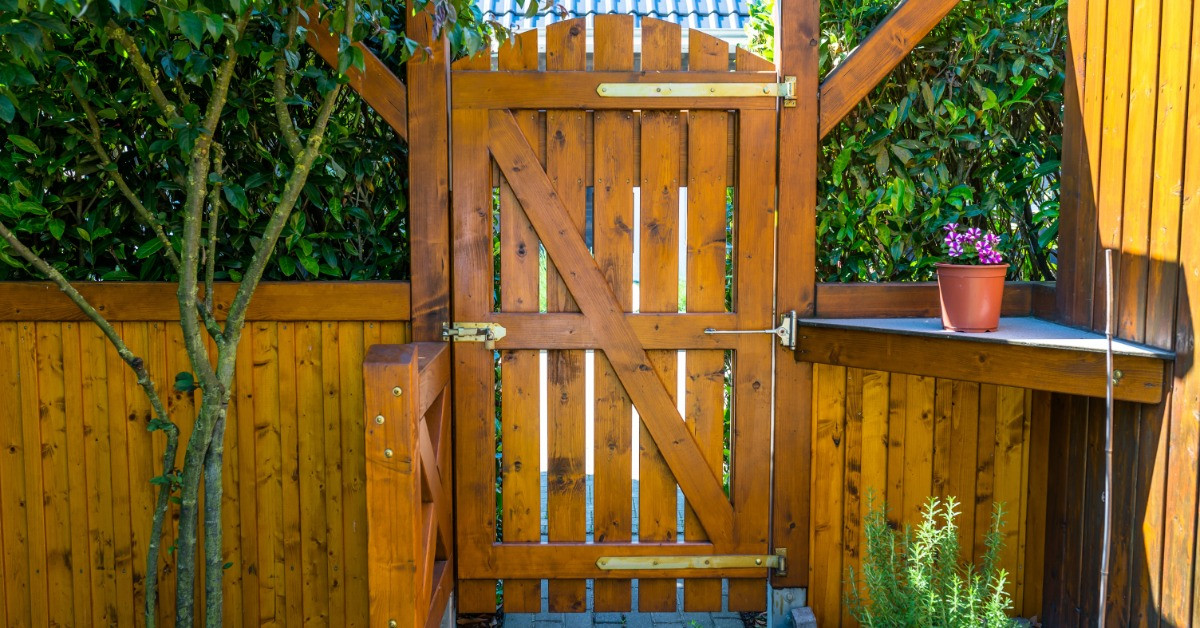
Hardware should be visually compatible with the railing finish, but an exact match isn’t always necessary. For example, black hinges can work with a bronze or wood-toned system when the design already includes dark accents. The contrast should look deliberate rather than accidental.
Scale matters just as much as color. Oversized decorative straps can overpower a narrow aluminum gate, while tiny hinges may look weak on a substantial wood frame. The hardware should look capable without making the opening feel industrial.
Take note that visible fasteners can enhance or detract from the look as well. Matching screw heads help the hardware read as one complete component. Bright fasteners against a dark finish draw attention to every mounting point, which can make a clean gate look improvised.
The Supporting Posts Matter More Than the Hardware Rating
When looking for deck gate hardware that balances safety and style, remember that a heavy-duty hinge can’t correct a flexible post. When the post moves under load, the gate shifts with it and the latch loses alignment. Before upgrading hardware, confirm that the supporting structure can resist the gate’s leverage.
This issue becomes more noticeable with wide gates. Every added inch moves the gate’s weight farther from the hinge post, so the mounting point experiences more twisting force. Even if a panel feels light in your hands, it can still exert considerable stress on the post when it operates as a lever.
The receiving post needs stability, too. If it moves independently from the hinge side, the latch gap can change even when the gate remains square. Safe operation depends on both sides holding their positions.
Safety Requirements Should Shape the Hardware Choice
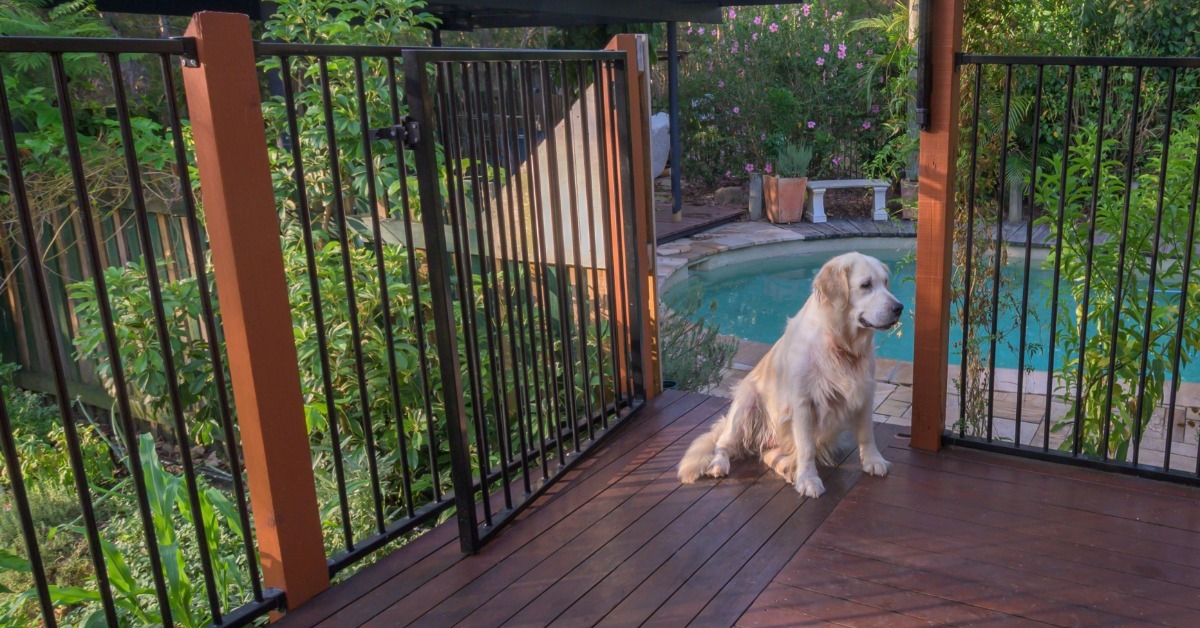
Different gates serve different safety roles. A gate used to keep a dog on the deck doesn’t face the same demands as one that limits a child’s access to stairs or a pool area. The hardware should reflect the actual risk rather than a general idea of what looks secure.
Self-latching operation can be especially important where accidental access creates a hazard. In those settings, latch height and release direction may also be governed by local rules. Verify the applicable requirements before ordering because a stylish latch isn’t useful if it fails inspection.
Opening direction can affect safety as well. A gate near the stairs shouldn’t swing into the path where someone is already stepping. The hinge arrangement needs to support the safer direction without creating a pinch point against the railing.
Build in Adjustability Before the Gate Starts Sagging
Even a well-built gate can move over time. That’s because posts settle and fasteners loosen under repeated use. Hardware with adjustment points lets you restore the latch gap without redrilling the frame.
Vertical adjustment helps when the gate begins to drop on the latch side. Horizontal adjustment can correct a gap that becomes too wide or too tight. These features are especially valuable on composite or vinyl railing systems where unnecessary holes are difficult to conceal.
Access to the adjustment mechanism matters after installation. A hidden screw may preserve the appearance, but it shouldn’t require removing the entire gate for a minor correction. The best hardware keeps routine tuning simple while remaining discreet during normal use.
Choose Gates and Hardware as One System
Shopping for deck gates and hardware as separate items often creates compatibility issues. A hinge may fit the post but not the gate frame, or a latch may require a gap the opening can’t provide. Treating the parts as one operating system makes the final result easier to align.
Material compatibility also deserves attention before you mix components. Dissimilar metals can react when moisture reaches the connection, and some finishes wear poorly against rough mounting surfaces. Manufacturer guidance should confirm that the fasteners and hardware suit the gate material.
A complete kit can simplify the process, though it shouldn’t replace careful review. Check the supported gate dimensions and confirm the intended mounting surface. Look for replacement parts because springs and latch components may wear before the gate itself needs attention.