Deck Railing Materials Compared for Homeowners
Posted by Deck Expressions on May 18, 2026
A deck railing choice usually starts as a style decision, but it doesn’t stay there for long. Once you compare materials, the real question becomes how the railing will age, how much attention it’ll need, and whether it still fits the home after the first few seasons outside. The best option isn’t always the most expensive one or the one that looks sharpest in a product photo. It’s the one that holds up in the conditions around your home without creating maintenance you didn’t sign up for.
That’s why it’s crucial to take the time to learn about all of your options. In doing so, you’ll learn which ones provide you with all of the benefits you’re looking for. To ensure you choose wisely, we’ve taken the time to compare all of the popular deck railing materials homeowners typically consider for their decks.
Wood Railing: Familiar but Demanding
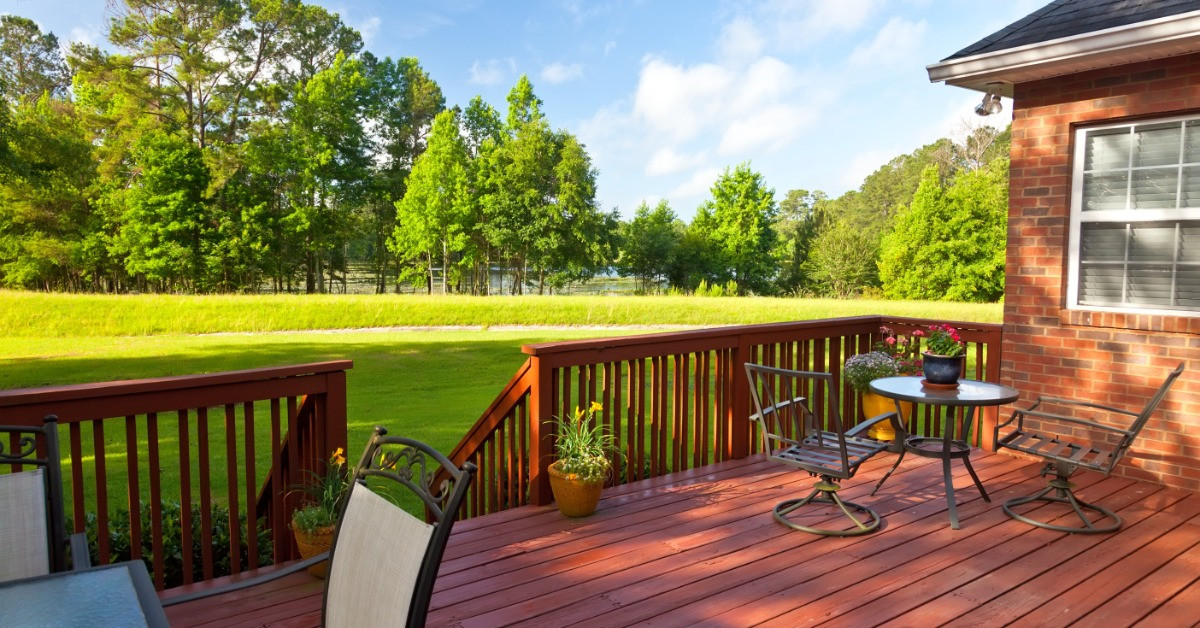
Wood gives a deck a classic look that many homeowners still love to this day. It feels warm and can match older homes without looking out of place. If your deck already uses wood posts or trim, wood railing can create a smooth visual transition.
The tradeoff, though, is maintenance. Wood needs sealing or staining to protect it from moisture throughout the year. Even treated lumber can crack as seasons change if not properly maintained. Paint may refresh the look, but it can peel when water gets under the surface. Homeowners who choose wood should expect routine upkeep rather than a set-it-and-forget-it type of railing.
Vinyl Railing: Clean Look with Low Upkeep
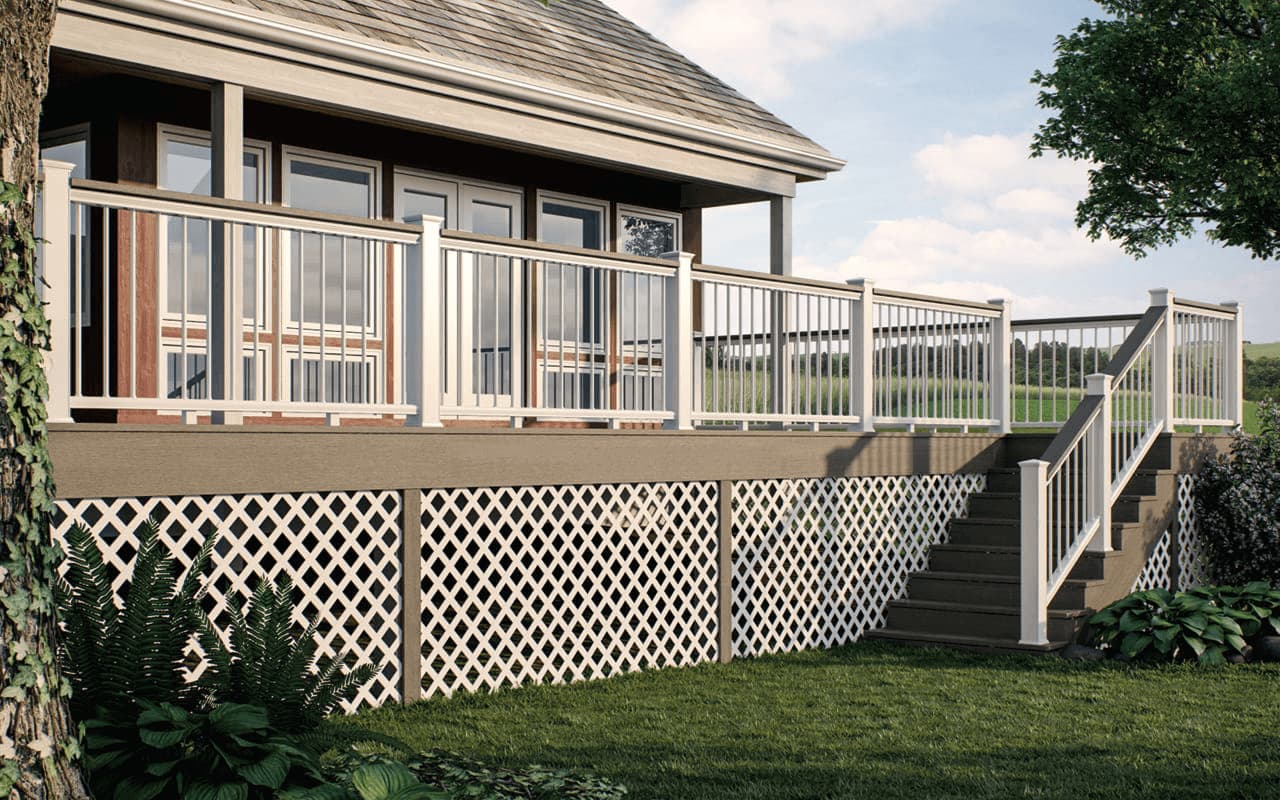
Vinyl railing appeals to homeowners who want a bright, finished look without the need for regular staining. It doesn’t need paint, and most dirt comes off with basic washing. That makes it practical for families who want the deck to look cared for without turning maintenance into a weekend routine.
The style works especially well on homes with white trim or a traditional exterior. Vinyl can make the railing feel clean and defined, which helps smaller decks look more open. Options such as RDI rails are great for most homeowners, as many of them feature reinforced designs for a sturdier, finished feel.
Still, vinyl does have limits. Some homeowners find it less refined than some more advanced materials, especially for modern homes. Darker colors can also bring heat concerns, depending on the product line. When you compare vinyl options, focus on wall thickness and bracket design rather than appearance alone.
Composite Railing: Wood-Like Style with Less Bare-Wood Care
Composite railing gives homeowners a heavier, more finished look than many vinyl systems. It often pairs well with composite deck boards because the texture and color options can feel coordinated. If you like the look of wood but don’t want the maintenance of bare lumber, composite deserves a closer look.
This material usually costs more than vinyl, but it can make the whole deck feel more polished. The profiles also tend to look more substantial, which helps on larger decks where thin railing might feel undersized. Composite can also work well with metal balusters to create contrast without making the railing too busy.
The key is choosing a color that works with the house long-term. A trendy shade may look appealing now, but railing stays in place for years. Neutral tones often age better, especially when the deck connects to brick or siding with strong color.
Aluminum Railing: Light but Strong
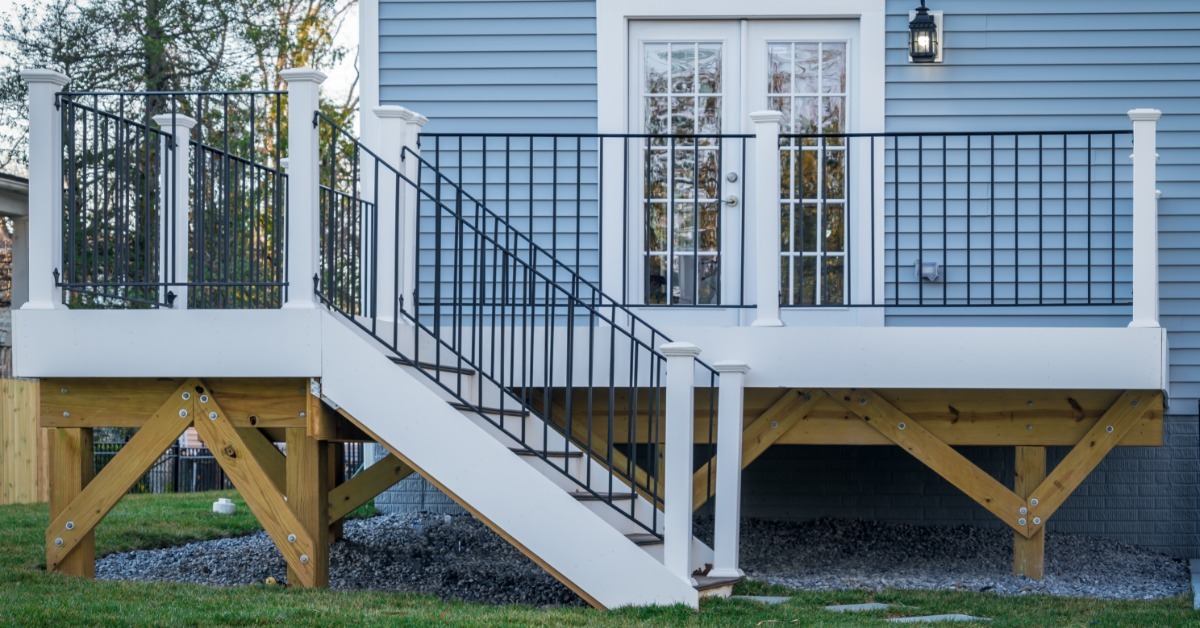
Aluminum railings are a great option for homeowners who want a slim profile with very little upkeep. It won’t rust like untreated steel, and powder-coated finishes help protect the surface. Because the rails can stay narrow, aluminum works well when you don’t want the railing to block the view.
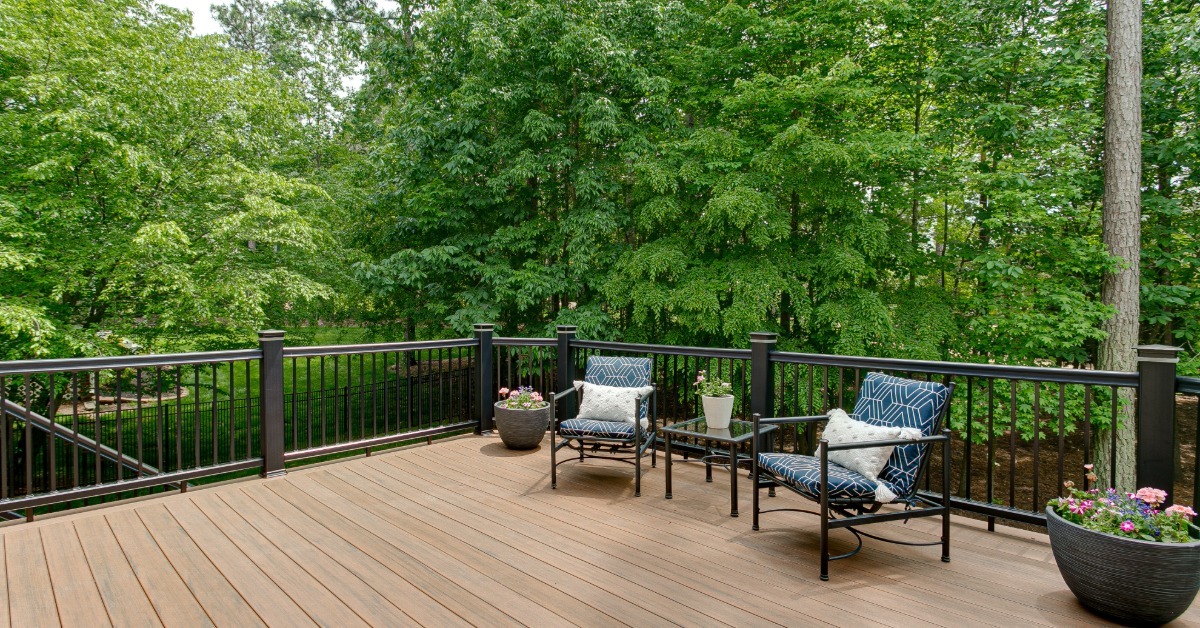
This material often works well for newer homes or decks with a more open layout. Black aluminum remains popular because it tends to fade into the background when you look past it. Lighter finishes can work too, especially when the deck connects to white siding.
Aluminum can feel less substantial than wood or composite, but that isn’t always a problem. Many homeowners like how light the system feels during installation. It’s a strong choice when you want a railing that looks clean without adding much visual weight.
Steel Railing: Strong Profile with More Weight
Steel railing suits homeowners who want a firm, sturdy feel. It has more weight than aluminum, which can make the finished railing feel a bit more anchored. On the right home, steel adds a sharper architectural edge without looking overly decorative.
The main concern is corrosion protection. Powder coating can help, but scratches need attention if bare metal ever becomes exposed. Steel may not be the easiest choice near salt air or in damp shaded areas unless the product has strong protective finishes.
Cost can also vary. Some steel systems offer a good middle ground between basic options and higher-end railings. Others move closer to premium pricing once you add decorative panels to it. Regardless of what you choose, it’s worth comparing the full system instead of judging by the rail section alone.
Cable and Glass Infill: When the View Matters Most
It’s worth noting that some materials used don’t make up the entirety of the railing system. Some of them use cable or glass infill instead of traditional balusters. These options matter most when the view deserves attention. A deck facing water or an open yard can feel more connected to the landscape when the infill stays visually quiet.
Cable railing has a clean, modern look, though it needs proper tension to perform well. Glass creates the clearest barrier, but it shows smudges faster than most other materials. Both options can cost more than standard balusters, so they make the most sense when preserving the view is a real priority.
How to Choose the Right Railing Material
When comparing deck railing materials for homeowners, it’s best to start with upkeep. If you don’t want to stain or repaint, wood probably won’t match your expectations. Vinyl and aluminum are usually a good fit for homeowners who want less routine maintenance, though the right option for you will depend on your preferences.
Next, look at the home’s exterior. A cottage-style home may handle vinyl better than a sleek black metal rail. A newer build may look sharper with aluminum or cable. The best material should feel like part of the house rather than something haphazardly added after the fact.
Budget matters too, but the cheapest rail isn’t always the best value. A low upfront price can lose appeal if the material requires more care or feels out of place. That’s why you should always compare the full system before you buy, including posts and brackets, so you understand the entire finished cost before you commit to anything in particular.