Essential Gate Hardware for High-Traffic Decks
Posted by Deck Expressions on Oct 30, 2026
High-traffic decks with gates need hardware that can withstand constant opening and closing. Is your gate hardware up to the demands of daily use?
Here are ten types of gate hardware for high-traffic decks and the details that determine which ones belong on your project. You won’t need every component on every gate, but understanding each part’s purpose gives you a better basis for choosing what yours needs.
Heavy-Duty Gate Hinges
Hinges carry the gate’s weight every time it opens and closes. On a high-traffic deck, that repeated movement wears down the hinge joints, allowing the gate to wobble or sag. Heavy-duty hinges designed for frequent use hold up to that repeated load.
To choose hinges that can handle this load, you’ll need your gate’s weight and width. A wider gate extends farther from the hinge post, putting more strain on the hinges even if it weighs the same as a narrower gate. Compare both measurements with the manufacturer’s limits to find hinges rated for your gate.
Hydraulic Gate Closers
A hydraulic closer controls the gate’s return after someone opens it. Its damping mechanism regulates movement, reducing the abrupt closing action that puts repeated stress on the installation.
An adjustable model lets you tune closing speed within its operating limits instead of accepting an aggressive swing. The closer still needs enough force to complete the closing cycle, including latch engagement. Before you select one, confirm that its mounting geometry fits your gate and that the manufacturer approves it for the gate’s size and outdoor conditions.
Self-Latching Gate Latches
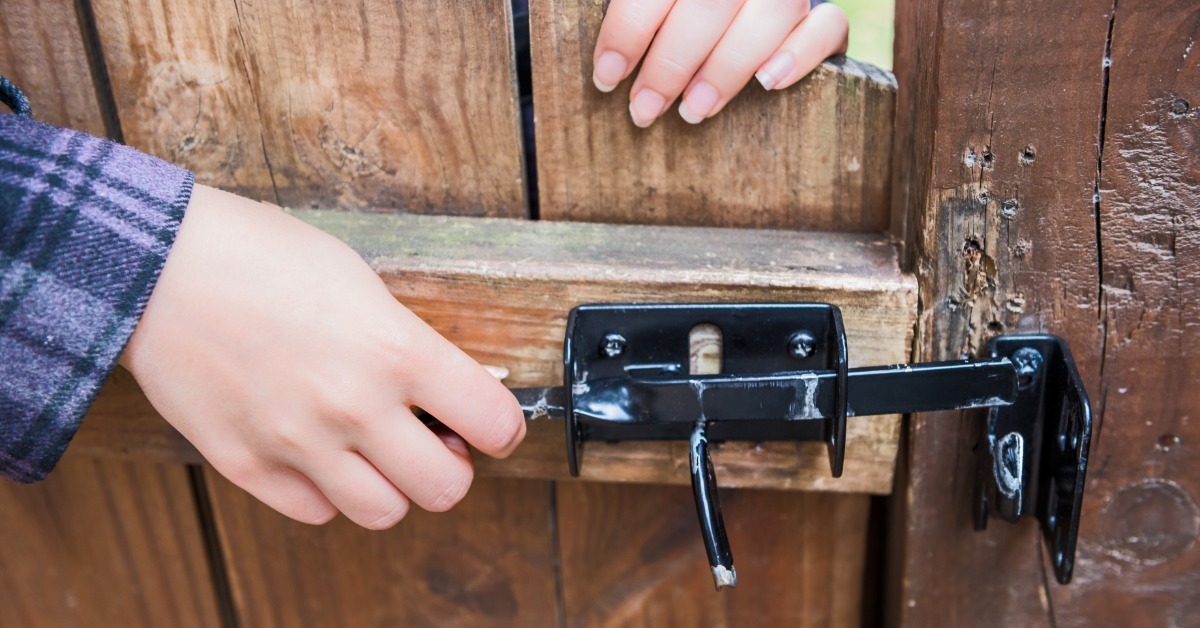
A self-latching latch catches when the gate reaches its closed position, so you don’t need to secure it manually after each trip. On a busy deck, you won’t have to reach back to set the latch when your hands are full. Once the gate swings shut, the latch holds it closed until someone operates the release.
For consistent engagement, the latch needs to line up with its catch on the post. If the two meet at the wrong height, the gate may close without latching. Check their alignment during installation so the mechanism engages without an extra push.
Adjustable Strike Plates
The strike plate receives the latch and provides its engagement point on the opposite side of the opening. Even a small alignment problem here creates resistance when the gate closes. Repeated contact against the wrong edge adds wear instead of securing the gate correctly.
An adjustable strike gives you room to reposition that engagement point within the product’s allowed range. This is useful when minor movement changes how the gate meets the post. However, the strike must match the latch design, and its adjustment shouldn’t disguise a sagging gate that needs repair elsewhere.
Gate Pull Handles
A dedicated pull handle gives people a place to grip the gate without tugging on the latch mechanism. The handle takes the pulling force, reducing strain on the release hardware during everyday use. It also makes operation less awkward when you’re returning to the deck with something in one hand.
Handle projection affects how comfortably your fingers fit behind the grip. Too little space forces an awkward pinch, while excessive projection risks interference near the post. Placement should allow a full grip throughout the opening motion without bringing your knuckles against the surrounding railing.
Gate Stops
A gate stop limits travel at a chosen point, preventing the panel from swinging beyond its intended position. Without one, an overextended gate transfers force into hardware that wasn’t built to stop that movement. Frequent use gives that problem opportunities to repeat.
The stop’s location should follow the gate system’s instructions and account for its permitted swing. If it sits too far from the closed position, the gate will overextend before reaching it. If it sits too close, it restricts how far you can open the gate.
Gate Mounting Brackets
Gate mounting brackets secure the gate hardware to its support posts. Each time someone opens or closes the gate, those connections take the force of that movement. A bracket that fits flush against the post keeps the hardware from rocking against its mounting surface during use.
If your posts have decorative sleeves, the bracket’s fasteners need to reach the structural support underneath. Otherwise, repeated movement puts pressure on the sleeve instead of transferring it to the post. The gate system’s installation instructions specify how to secure the brackets through that outer covering.
Exterior-Rated Fasteners
Rain exposes your gate’s fasteners to moisture, so they need protection against rust. As corrosion eats away at the metal, it weakens the connections that hold the hardware in place. Repeated gate movement then puts additional strain on those weakened connections.
The gate’s materials also affect which fasteners you’ll need. For example, copper-based preservatives in pressure-treated wood accelerate corrosion in unprotected steel screws. Hot-dip galvanized or stainless steel fasteners withstand contact with treated lumber. Check the hardware manufacturer’s specifications for the approved type.
Gate Corner Brackets
A gate’s frame can gradually twist out of square as its corner joints loosen with repeated use. Corner brackets reinforce those connections by fastening to both pieces of the frame at each joint. This limits movement between the pieces so the gate retains its shape.
For a busy deck gate, choose brackets sized for the frame so you have room to secure each specified fastener. Before installation, check that the frame’s diagonal measurements match. Once the frame is square, attach the brackets to hold the joints in position.
Anti-Sag Cable Kits
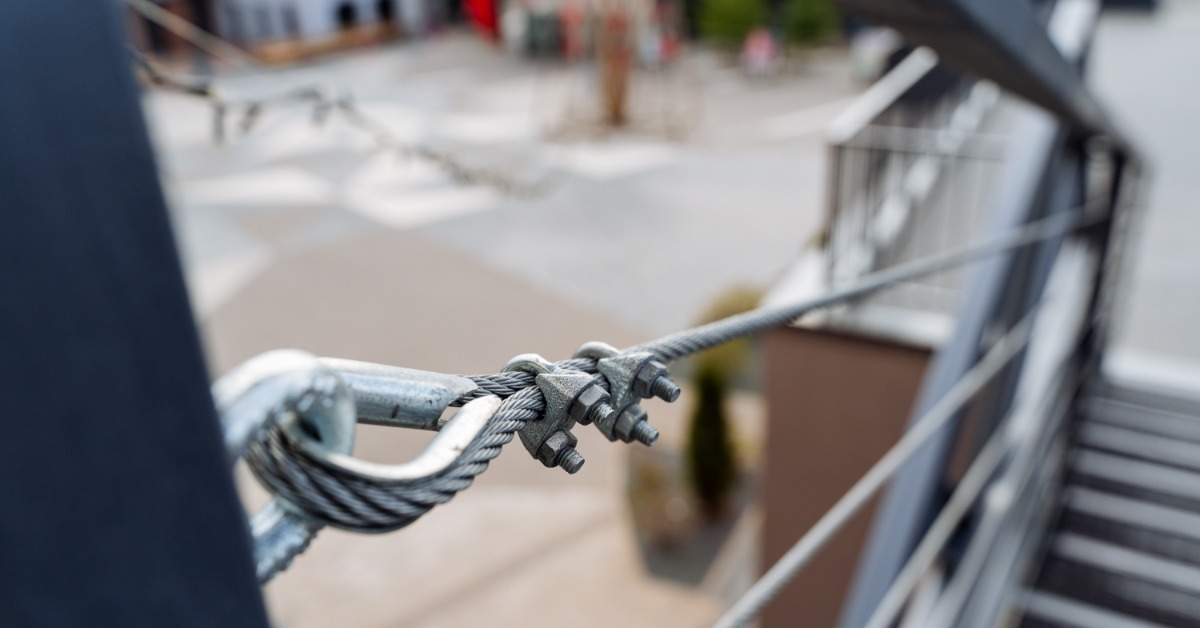
An anti-sag cable kit provides diagonal tension to support the latch side of a compatible gate. In the common arrangement, the cable runs from the upper hinge-side corner to the lower latch-side corner. As you tighten its turnbuckle, it draws those attachment points toward each other to raise the sagging corner.
Too much tension distorts the frame, so tighten the turnbuckle gradually and check the gate’s alignment as you go. Once the gate sits square, test its full swing and confirm that the latch engages without lifting the panel.
Give Your Deck Gate the Support It Needs
Choosing the right hardware for high-traffic deck gates allows the components to last longer, so you’re spending less time and money on repairs.
At Deck Expressions, we sell porch gate hardware from brands like Deckorators and RDI. Shop our gate hardware selection to find the parts to keep your gate operating smoothly through daily use.