Fastening Solutions for Custom Railing Layouts
Posted by Deck Expressions on Oct 09, 2026
Custom railing layouts need custom fastening choices. A standard straight railing run leaves little room for confusion, but unusual angles or changes in direction require more planning. If you're building a deck and aren't sure what hardware or connector style to use for a particular section, knowing your options makes the job much easier.
The right fastening solutions for custom railing layouts depend on how each part of the railing connects to the structure around it. Here are several options contractors and homeowners use when standard hardware doesn't quite cover the job.
Structural Screws for Post Connections
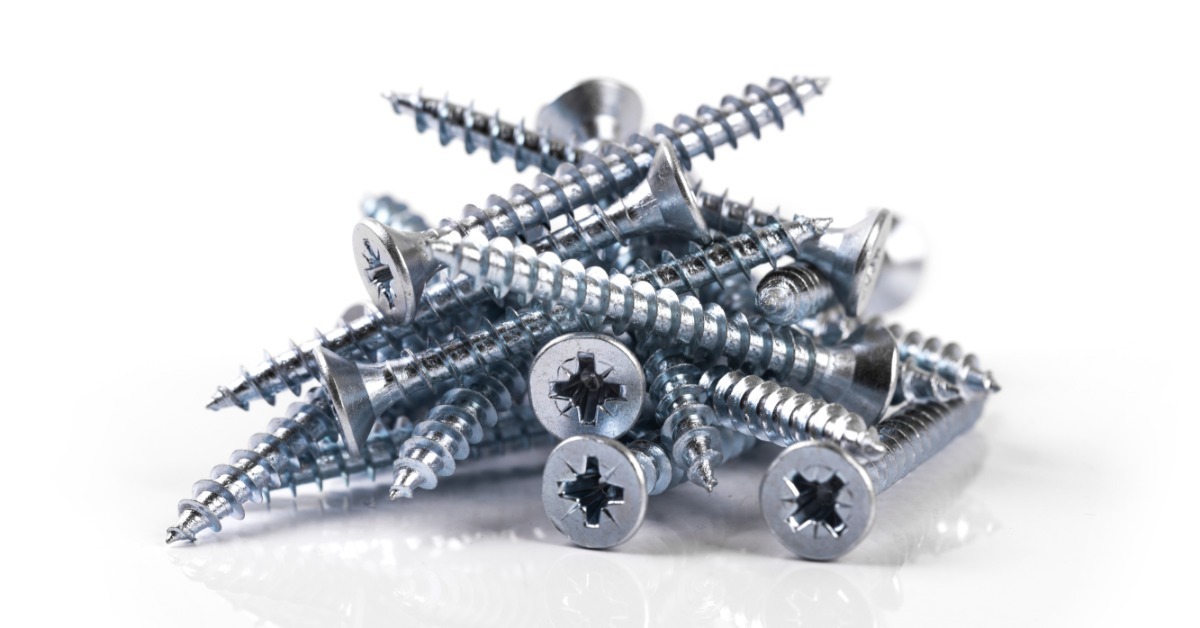
Structural screws give railing posts a firm connection to framing lumber. Their larger diameter provides greater holding power than ordinary wood screws, which is necessary because railing posts take repeated sideways pressure during normal use.
Many structural screws install without the extensive predrilling required for traditional lag bolts. That can simplify installation when access around the post is limited. The screw length still needs to match the framing setup so the threads engage enough structural material instead of stopping inside a thin board.
Through Bolts for High-Stress Posts
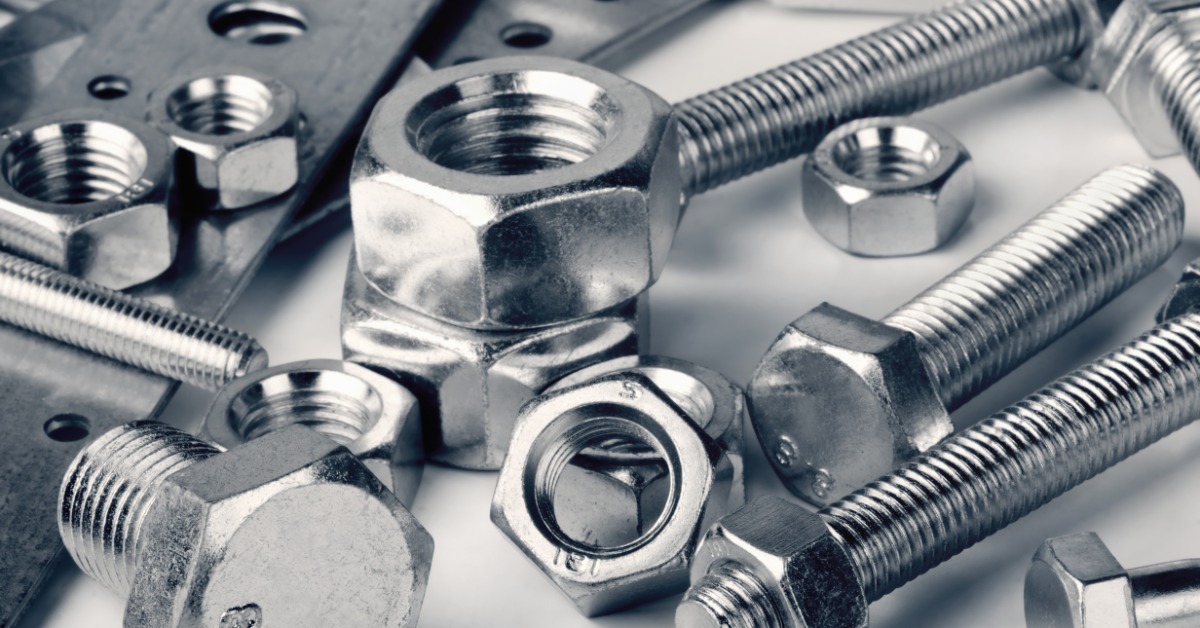
Through bolts create a connection that passes completely through the post and the framing behind it. A nut tightens against the opposite side, clamping the pieces together rather than relying entirely on threads biting into wood.
This setup gives the connection strong resistance against movement when a post takes substantial lateral force. It also gives you access to the nut if future tightening becomes necessary. Enough space behind the framing is required for installation, so through bolts aren't suited to spots where finished surfaces block the opposite side.
Tension Ties for Reinforced Posts
A railing post sometimes needs reinforcement beyond the primary bolts holding it to the rim joist. Tension ties connect the post area back into the deck framing, giving sideways loads a path into a larger portion of the structure.
They add reinforcement where an exposed post takes repeated pressure from people leaning against the railing. Installation requirements vary by tie design, so the specified screws and attachment points need to match the hardware. Substituting random screws can reduce the capacity the connector was designed to provide.
Angle Brackets for Corner Connections
Custom layouts frequently introduce corners that don't line up neatly with standard railing hardware. An angle bracket creates a mechanical connection where one member meets another at a set angle.
The bracket carries load across the joint while keeping the connected pieces in position. This becomes valuable around inside corners where access for screws through the face of the rail is limited. Bracket size should match the lumber dimensions and the forces at the joint rather than simply filling the available space.
Adjustable Connectors for Angled Rails
Stairs and non-square deck layouts create rail connections that standard 90-degree brackets can't accommodate. Adjustable connectors solve this by allowing the rail attachment to rotate to the needed angle before it is secured.
These connectors reduce the amount of field modification required at each joint. They also keep the rail supported at the connection instead of depending on a screw driven through an awkward angle. The connector still needs full contact with the rail end because a poorly seated joint can move even when the hardware itself is tight.
Rail Brackets for End Connections
Rail brackets secure the end of a horizontal rail to a post or another structural member. They provide a larger attachment area than screws driven through the rail end alone, where wood fibers offer less resistance to withdrawal.
A bracket can also cover small variations in the rail cut when a layout contains several custom-length sections. The rail should still fit closely between posts before fastening. Hardware isn't meant to pull an oversized gap together or compensate for a rail that was cut substantially too short.
Hidden Fasteners for Finished Surfaces
Visible screw heads aren't always desirable on a finished railing. Hidden fastening systems place the attachment hardware behind trim or inside the rail assembly so the finished face remains uninterrupted.
These systems require planning before the rail is installed because the hardware needs room inside or behind the assembly. Trying to improvise a concealed connection can leave too little material around the screw or make later access difficult. Planning the attachment before cutting the rail also leaves space for any cover piece used to conceal the connection.
Lag Screws for Accessible Framing
Lag screws provide a heavy-duty connection when a post or bracket attaches directly to substantial wood framing. Their coarse threads grip deeply, while the large head spreads pressure across the hardware.
Proper pilot holes matter because a lag screw has a larger shank than a standard wood screw. Without enough room for the shank, the lumber can split near an edge. The screw also needs enough embedment into structural framing to carry the load placed on the railing connection without relying on a shallow bite into the wood.
Concrete Anchors for Masonry Connections
A railing that meets a concrete landing needs hardware designed for masonry rather than wood. Concrete anchors expand or lock into a drilled hole, giving the post base a secure connection to the slab below.
Anchor selection depends on the base plate and the thickness of the concrete. Edge distance also needs attention because drilling too close to the slab edge can weaken the surrounding material. The hole diameter and depth should match the anchor manufacturer's specifications so the anchor develops the holding power required at that connection.
Blocking for Better Fastener Support
Sometimes the fastening issue comes from the framing rather than the screw. Additional blocking between joists gives post hardware more structural material to connect with when the original framing leaves a post beside an open bay.
Blocking also spreads the load across a larger portion of the deck frame instead of concentrating it at one narrow attachment point. Its placement needs to match the planned post location before the railing goes in. Adding it before decking or trim covers the framing also avoids a much more awkward retrofit later.
Choose Hardware for the Actual Layout
These fastening solutions for custom railing layouts are all potential options, but railing hardware isn't one-size-fits-all. What's right for one connection depends on the framing behind it and the load that connection needs to resist. Material also influences which fasteners belong in the assembly, particularly outdoors where corrosion can weaken incompatible hardware over time.
At Deck Expressions, we sell accessories like deck spindles and other connectors for railing projects with standard or custom layouts. Shop our railing accessories to find the parts that match the design you're building and the connection points you need to complete.