Galvanized Steel Railing Performance Factors
Posted by Deck Expressions on Aug 18, 2026
Galvanized steel is one common material used in deck railing. Are you curious how well it performs under different stressors, like heavy impact loads, salt air exposure, and temperature swings? Here are nine performance factors to consider before you commit and purchase galvanized steel parts for your upcoming deck build.
How Galvanization Protects the Steel Underneath
The zinc coating applied during galvanization is what separates this material from bare steel. When steel gets submerged in molten zinc, the two metals bond at a molecular level. The zinc doesn't just sit on top of the steel like paint, it actually reacts with the steel surface to form a series of zinc-iron alloy layers.
That layered structure is what gives galvanized steel its corrosion resistance. If a spot gets scratched, the zinc around the damage corrodes preferentially, protecting the steel underneath through a process called cathodic protection. You get some built-in self-defense that bare steel or even many powder-coated finishes don't provide on their own.
Structural Load Capacity
Steel carries more load per cross-section than aluminum. If you're installing railing on an elevated deck or in an area with heavy foot traffic, the higher tensile strength gives the system greater resistance under pressure.
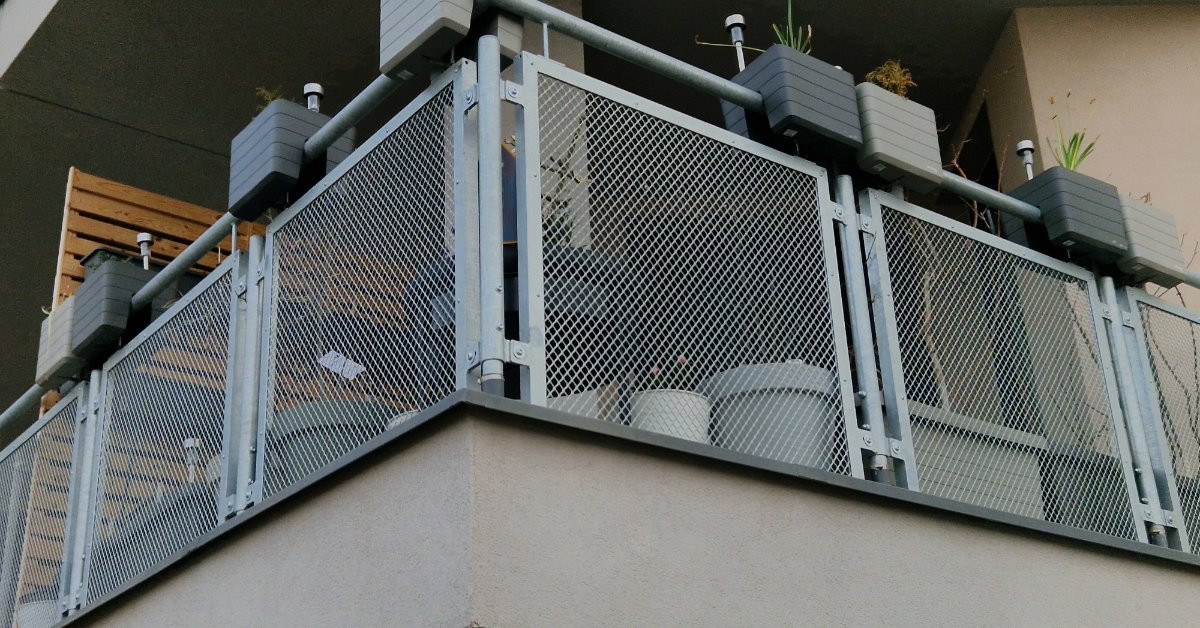
Galvanized steel railing panels are factory-welded, so the joints don't depend on field connections that may loosen over time. Those welds create a rigid frame that resists lateral force when someone leans against the rail. On an elevated installation, that added rigidity supports the safety demands placed on the system.
Corrosion Resistance in Dry and Humid Climates
In a dry inland climate, galvanized steel railing can go decades with minimal corrosion as long as the coating stays intact. The zinc layer weathers slowly in low-humidity air, and the rate of zinc loss stays low enough that the coating outlasts most other materials in the same environment.
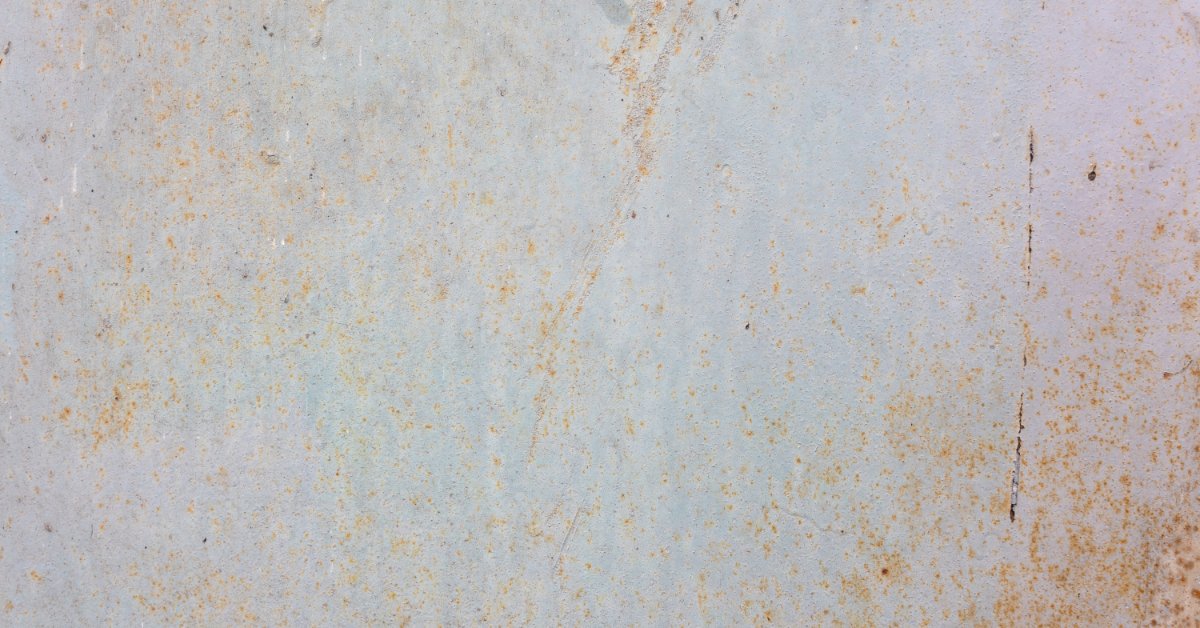
In a humid climate, the zinc still does its job, but it oxidizes faster. You'll see white rust, which is a zinc oxide byproduct, before you ever see red rust on the steel underneath. White rust is cosmetic at first, but it signals that the zinc layer is depleting. If you're in a consistently humid region, that timeline moves up faster than the manufacturer's warranty period suggests.
Performance Near Salt Water
Saltwater air is where galvanized steel hits a wall. Chloride ions accelerate zinc oxidation at a rate that drastically shortens the coating's useful life. If your deck sits within a few miles of the ocean, especially on a direct oceanfront property, galvanized steel railing will require more maintenance and earlier replacement than it would inland.
Manufacturers like RDI recommend washing coastal installations every three months with mild soap and fresh water to remove salt accumulation. If you skip that maintenance cycle, the corrosion timeline moves up fast. For beachfront builds, stainless steel or aluminum often makes more economic sense over the life of the project.
Temperature and Freeze-Thaw Cycling
Steel expands and contracts with temperature changes. In climates with cold winters and hot summers, that movement is noticeable across a long railing run. The connection points, particularly where the rail meets the post, experience repeated stress from that expansion and contraction over years of freeze-thaw cycling.
Galvanized coatings aren't thermally flexible the way paint or vinyl is. In extreme temperature swings, the coating can develop micro-cracks at stress points, which gives moisture a path to the steel underneath. If you're in a climate with significant seasonal temperature swings, inspect the coating at connection points each spring once the railing is a few years old.
UV and Sun Exposure

Galvanization won't fade or chalk from sun exposure the way vinyl or standard paint does. That's one area where galvanized steel holds up without much concern.
Where you do need to pay attention is any top coating applied over the galvanization. Products that use a galvanized base plus powder coat finish, like the RDI Excalibur line, get their color and finish from the powder coat layer. That layer can fade or chalked with prolonged sun exposure, particularly in high-UV regions like the Southwest.
Impact and Scratch Resistance
Steel is harder than aluminum, so it resists dents when tools, bikes, or furniture hit the railing. That added strength suits busy decks where accidental impacts are part of regular use. The rail may come away with a surface mark, but it’s less prone to bending or losing its shape.
That resistance doesn’t make the finish immune to damage, though. A shallow scratch may stop at the galvanized layer, where the zinc continues protecting the steel underneath. If the damage reaches bare steel, RDI recommends treating the area with a Rust-Oleum touch-up product before rust begins.
Finish and Aesthetic Options
Most galvanized steel railing systems sold for deck use come with a powder coat finish applied over the galvanized base, which gives you color options and a more refined look.
The color range for galvanized steel railing tends to be narrower than what you get with aluminum. Most steel railing systems offer black and bronze, with limited options beyond that. If you're designing around a specific color palette, you may run into fewer choices than you'd get with aluminum or vinyl.
Installation Considerations
Steel weighs more than aluminum, so each panel takes more effort to lift, position, and hold during installation. Pre-assembled panels simplify part of the job, but you’re still moving heavier components than you would with a similar aluminum system. Working alone? That added weight can make it harder to keep a panel aligned while you secure the brackets.
Factory-welded panels cut down on labor because the infill arrives already attached. You won’t need to thread individual balusters at the jobsite. The tradeoff is limited flexibility: you can’t change the spacing or pattern later, so the panel height and configuration need to match your project requirements before you place the order.
Code Compliance and Span Limitations
Most residential building codes require deck railing to withstand 200 pounds of concentrated lateral load applied at the top of the rail. Galvanized steel systems from established manufacturers are engineered to meet those requirements, but the span between posts matters.
Longer post spacing puts more bending stress on the rail itself when that load gets applied. Steel handles longer spans better than aluminum in most cases, but you still need to follow the manufacturer's post spacing specifications. Installing posts further apart than the system is rated for, even with steel, creates a railing that passes visual inspection but fails under load.
These Performance Factors Are Worth Keeping in Mind
These are some galvanized steel railing performance factors to keep in mind if you're considering this material for your decking project. Galvanized steel performs well in dry climates, high-traffic areas, and installations where structural load capacity is a priority, but it can corrode faster near salt water and demands more upkeep than aluminum over time. It's a solid choice for some projects, but not others.
If galvanized steel is the right call for your project, Deck Expressions carries galvanized handrails and other deck parts to help you construct a complete, code-compliant railing system. Shop our inventory today for steel railing components from brands like RDI, Fortress, and more.