Using Lattice Panels to Improve Deck Ventilation
Posted by Deck Expressions on Aug 04, 2026
The shaded ground below a deck doesn’t dry at the same pace as the boards above it, especially when the perimeter has been closed off for appearance. You usually see the issue at the skirt line first, where a closed perimeter can trap stale air rather than letting the underside breathe.
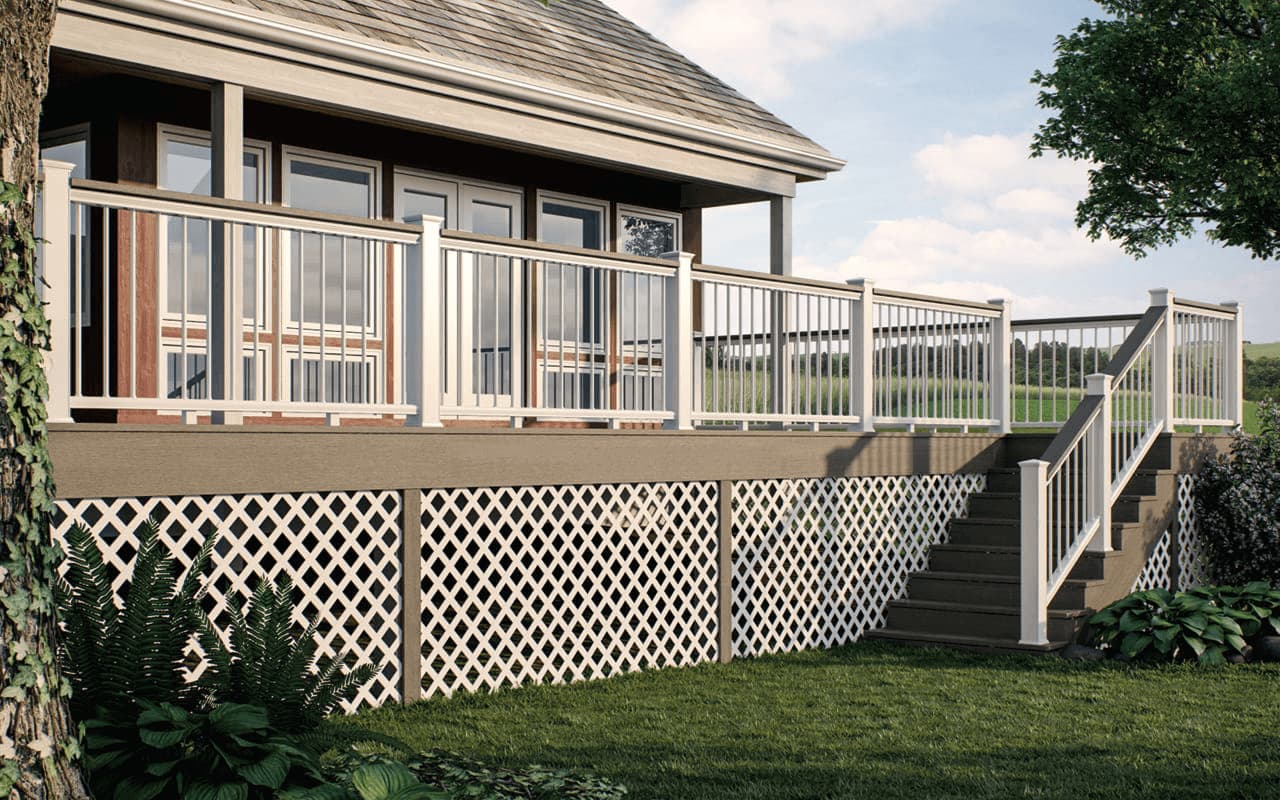
Those problems don’t always come from poor skirting, but skirting can make them worse when it seals the underside too tightly. Lattice panels offer a better option because they can finish the deck’s lower edge while still ventilating it. Let’s learn more about why that is together.
Treat the Skirt as Part of the Airflow Plan
A lot of deck skirting gets chosen after the main build decisions are already made. At that point, the goal often becomes simple concealment. The underside looks unfinished, so the skirt gets used to hide the framing and the open space near the ground.
That approach can work visually, but it misses the real behavior of the space. Warm, humid air can collect under a deck when the perimeter doesn’t breathe. Lattice provides a path for that air to escape, making it more useful than a solid panel when the deck sits over damp or shaded ground.
Start With the Deck’s Clearance
The amount of space beneath the framing changes how much ventilation the deck needs. A tall deck usually has enough open volume for air to move naturally, so lattice mostly helps preserve that movement while making the perimeter look finished. A low deck doesn’t have the same margin for error.
When framing sits close to the ground, a tight skirt can turn the underside into a shallow crawlspace. Moisture from the soil has less room to disperse, and blocked sides slow down drying after rain. In that situation, lattice panel selection matters because the openings become part of the deck’s drying strategy.
Choose Openings That Match the Moisture Conditions
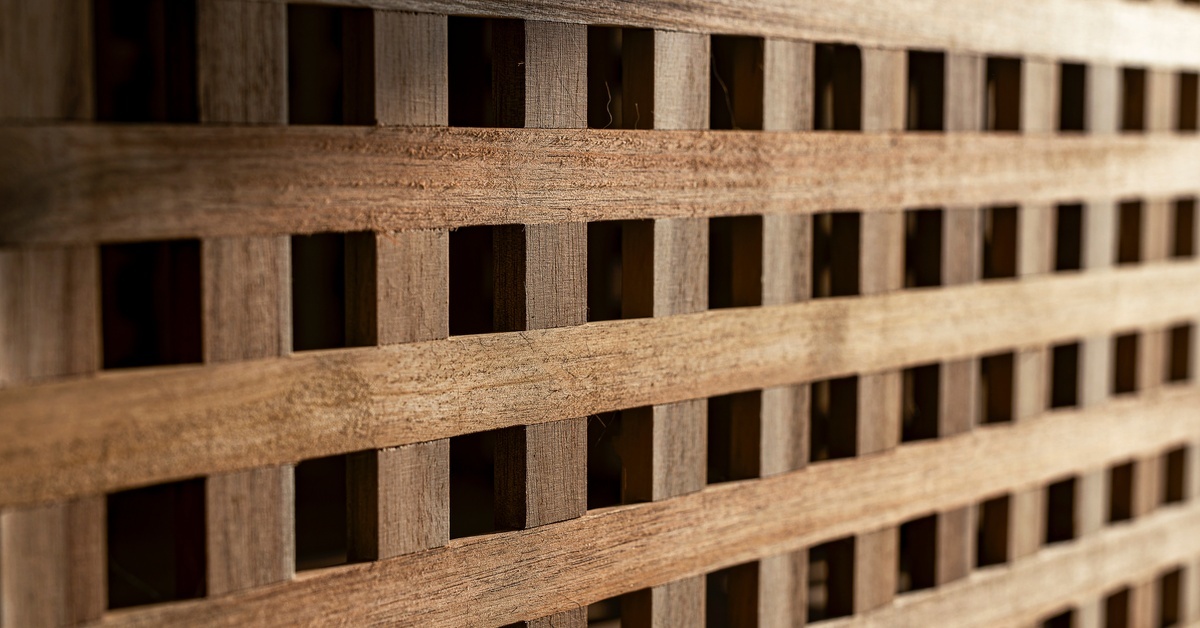
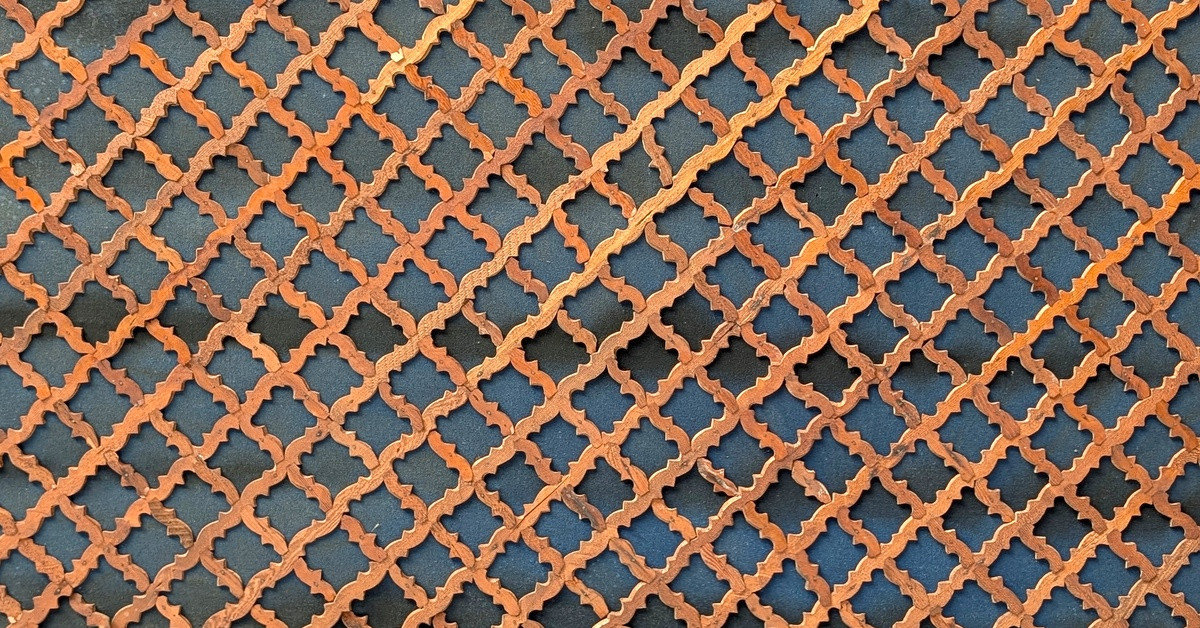
Not every lattice panel breathes at the same rate. A dense privacy-style pattern hides more of the underside, but it also restricts airflow. A more open pattern leaves some framing visible from certain angles, yet it usually helps damp air leave more quickly.
This is where lattice for decking should be treated as a functional detail instead of a decorative afterthought. The opening size affects how air moves around the base of the deck. If the ground stays wet or the yard has heavy shade, a more breathable panel often makes more sense than the option that hides the most.
Give Air a Way In and Out
Ventilation works better when air can cross the space instead of entering a single small area and stopping. A lattice on only the most visible side may improve appearance, but it won’t do much if the other sides remain blocked. The underside needs a route for air to flow through the perimeter.
Look at how the deck sits in the yard before deciding where panels belong. A nearby fence may slow air on one side, while an open lawn may give the opposite side a stronger breeze. The layout should work with those conditions rather than assuming every side performs the same.
Don’t Ignore the Ground Below
Skirting often gets blamed for moisture problems that begin at ground level. Bare soil releases moisture after rain, and shaded areas may stay damp long after the surface boards look dry. If that moisture rises into a poorly ventilated space, the underside can remain humid for much longer than expected.
Lattice panels improve deck ventilation here because they don’t trap air the way solid skirting can. Still, they can’t resolve every site issue on their own. If water drains toward the deck or leaves collect behind the skirt, the panel openings won’t deliver their full benefit.
Keep Storage From Blocking the Panel
Many homeowners use lattice to hide items stored under a deck. That can be practical, but storage can quietly cancel the airflow benefit as well. Bulky storage can block the inside face of the lattice, making the panel act more like a wall.
If you use the underside for storage, keep the perimeter clear enough for air to move. You don’t need an empty space under the whole deck, but you do need breathing room behind the panels. Otherwise, the deck may look tidy while the air below it stays still.
Match the Material to the Exposure
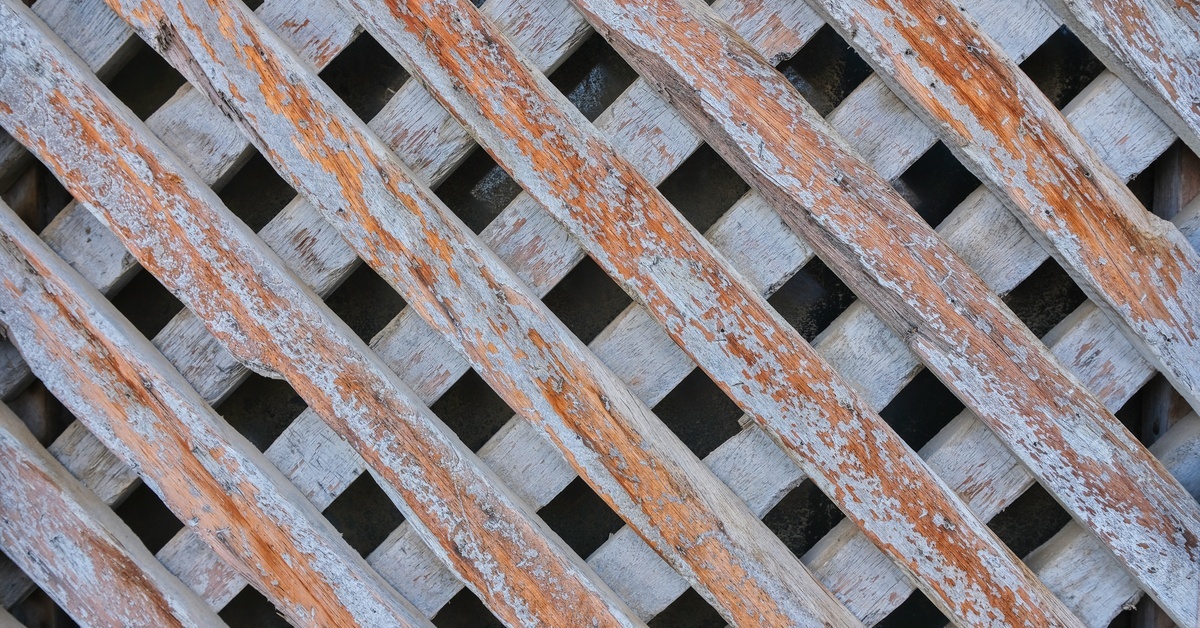
Lattice sits near wet ground, splashback, and yard debris, so material choice affects more than appearance. Vinyl and composite panels often appeal in this location because they don’t absorb water like wood. Wood lattice can still work, but it needs proper finishing and more attention over time.
A stable panel also better maintains the ventilation plan. If a panel loses its shape over time, the openings may distort, causing the bottom edge to settle into damp soil. The better the panel holds its shape, the more consistently it can support airflow season after season.
Build in Access Before You Need It
A clean skirt shouldn’t make the underside impossible to inspect. After a heavy storm, you may need to check whether water or debris has collected in areas where it could interfere with airflow. If every lattice section is fixed in place, small maintenance tasks become more difficult than they should be.
Framed access sections solve that problem without making the skirt look unfinished. They also make it easier to clear leaves from the inside edge of the panel. That matters because debris can block airflow in the same way a solid skirt would.
Watch How Landscaping Changes the Result
Plants can make lattice panels look more settled into the yard, but they can also block the openings that make it useful. Dense shrubs hold moisture near the deck and slow drying after storms. Mulch piled against the bottom edge can create a similar problem when it covers part of the panel.
You don’t need to keep the area bare. The better move is to leave enough clearance for air to reach the lattice. That small gap protects the function of the skirt without making the deck feel unfinished from the yard.
Use Lattice More Carefully on Low Decks
Low decks need the most deliberate lattice layout because there’s less air volume beneath the framing. A decorative panel on the front may not help much if the sides stay tight to grade. In some cases, the best choice is to use lattice panels on the deck side facing the yard, while leaving less visible areas more open.
The goal is balance, not total enclosure. You can screen the underside without wrapping it so tightly that humid air gets trapped. When panel openness, deck height, and site conditions align, lattice can enhance the finished look while helping the space below the deck dry more effectively.