5 Contractor Tips for Faster Railing Installations
Posted by Deck Expressions on Jun 12, 2026
Speed matters in railing work because just a single slow section can drag the entire deck schedule behind it. Still, fast work can’t look rushed. Homeowners notice crooked posts and uneven rails right away. The goal is to build a process that keeps each crew member moving without forcing anyone to guess.
Good railing installation starts before the first bracket leaves the box. Crews that plan the work as a system usually help everyone work more quickly by removing friction early. To help you get started, these tips for faster railing installations focus on field habits that help contractors improve their rhythm in ways that create fewer delays.
1. Confirm the Layout Before Materials Hit the Deck
A faster installation begins with a layout that leaves no room for debate. Measure the full railing run before staging materials, then mark post locations in a way the whole crew can follow. Clear layout marks prevent workers from stopping mid-install to ask where the next post belongs.
Check stairs and corners with extra care because these areas create most delays. A short mismatch at a stair angle can force recuts and wasted hardware. When the layout shows every transition clearly, the crew can install in sequence instead of solving each section as it appears.
Build a habit of reviewing the layout with the installer who will lead the section. That person should understand the post spacing before the tools ever come out. The review should also cover rail height and fastening points, so the first section sets the standard for the rest of the project. A two-minute walkthrough often saves a much longer reset later.
2. Stage Each Section Like a Small Job
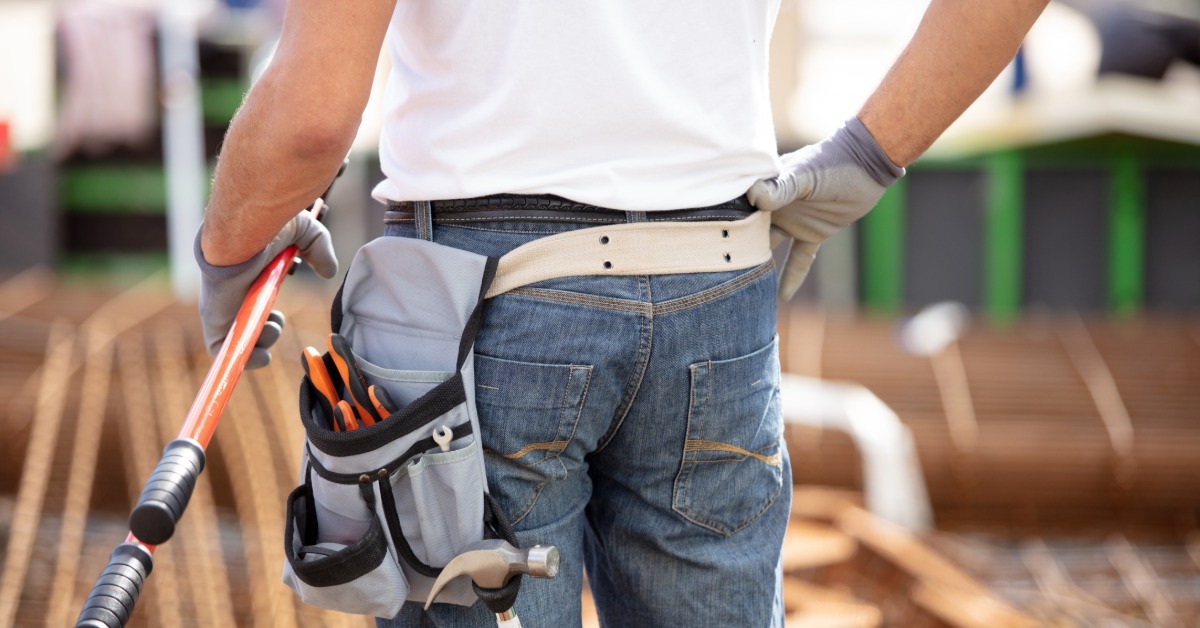
Many railing installations slow down because materials are stored in a centralized location, requiring workers to constantly walk back to them. Stop this from happening by breaking the project into sections before the crew starts fastening. Match each post group with the correct rail cartons and bracket packs near the exact run where they’ll be used.
This approach turns a large railing job into several smaller tasks. The installer can finish one run without hunting for parts or stepping over loose boxes. It also makes missing pieces easier to spot while there’s still time to fix the issue.
Staging works best when one crew member owns the setup. That person checks labels and opens packages while installers keep their tools in motion. The rest of the crew stays focused on building rather than searching.
Good staging also keeps the deck safer. Loose packaging can hide fasteners or create trip points near stair openings. When every section has its own clean work zone, the crew moves faster because the surface stays clear.
3. Use Kits That Reduce Field Decisions
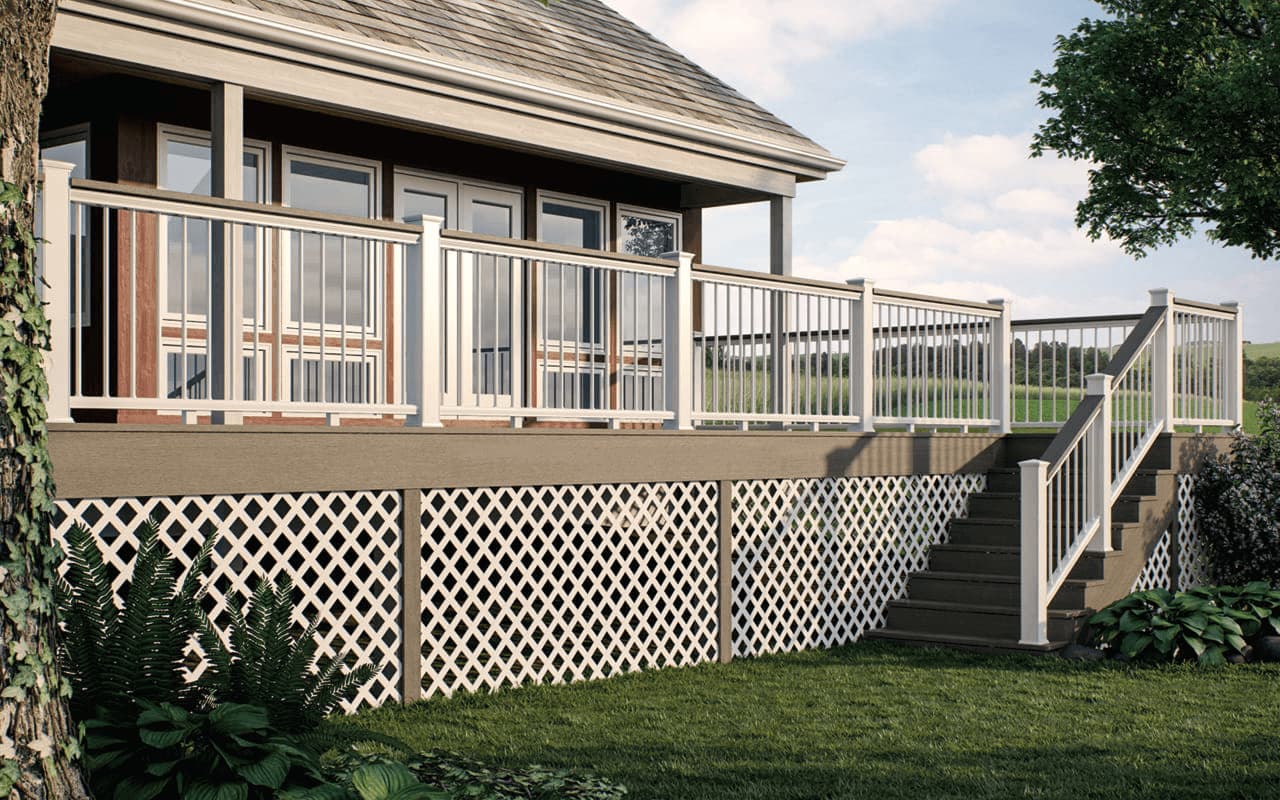
Constantly having to make decisions in the field can slow down crews because every little choice creates a pause. Products that arrive with matched parts and clear fastening methods help installers move with confidence. This is one reason many contractors rely on composite deck railing kits for jobs that need clean results on a tight schedule.
The right kit can reduce time spent matching balusters to rails or checking whether a bracket fits the system. They also help newer crew members follow the same process as experienced installers. When the system makes the next step more obvious, the crew spends less time correcting small mistakes.
Contractors should still review the instructions before the job begins, though. Even familiar systems can change hardware or fastening details over time. A quick check helps the crew avoid falling back on old habits with updated products.
No matter what, keep the instructions close to the work area instead of leaving them in the truck. The lead installer may not need them often, but another crew member might need to confirm a bracket orientation or screw location. Quick access keeps a simple question from turning into a delay.
4. Pre-Cut Only When the Measurements Are Proven
Pre-cutting can save time, but it can also create expensive problems when the deck framing varies. Before cutting several rails at once, confirm the measurements across each run. Use the actual post placement rather than assuming the plan matches the field.
A smart crew measures each opening after the posts are secured. That step accounts for small shifts that happen during fastening. It also gives the cutter real numbers instead of theoretical dimensions.
Once the first few sections prove consistent, the cutter can build a faster rhythm. Keep cut pieces labeled by location so installers don’t waste time matching them later. A simple mark on the underside of each rail can prevent confusion without affecting the finished look.
The cutting station needs the same attention as the deck surface. The saw setup needs to remain stable and close enough to the work area to reduce walking time. Still, you need to make sure it doesn’t crowd the installers. A clean cutting area helps the cutter work steadily while the deck crew keeps installing.
5. Keep One Person Focused on Quality Checks
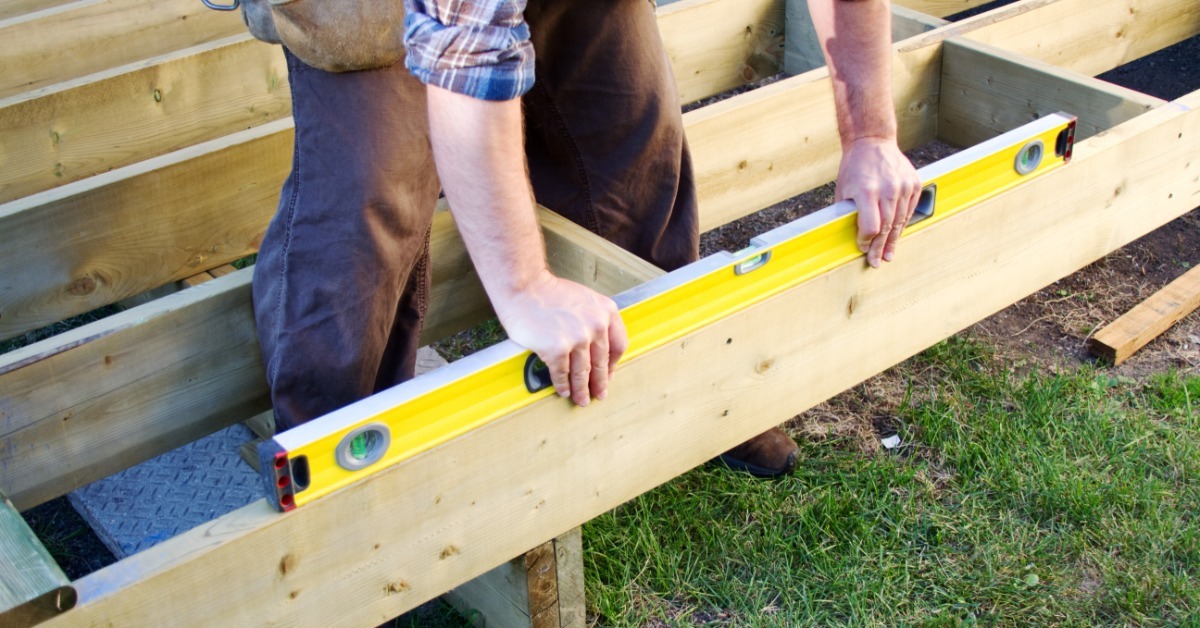
Quality control can speed up the job when it occurs during the installation process rather than after. Assigning one person to check alignment and rail height as each section gets installed can help with this. That person should also confirm fasteners before the crew moves too far ahead.
This habit will help contractors catch small issues before they spread across the project, leading to faster railing installations. That’s because a slightly leaning post can affect the next rail, and the one after that, making later sections harder to fit. Fixing these issues early takes less time than correcting several connected sections near the end.
The quality checker should use the same tools throughout the job to ensure measurements remain consistent. A level and a tape measure can keep the inspection process quick when the checker uses them the same way each time. The point isn’t to slow production; it’s to protect the pace by preventing rework.
Crews should treat each finished section as a checkpoint. Before moving forward, confirm the rail feels solid, and the sightline looks clean from the main viewing angle. These quick checks help the final walkthrough move faster because the crew has already handled the details section by section.