6 Deck Post Sleeves That Protect and Beautify
Posted by Deck Expressions on Jul 13, 2026
If you’ve ever looked at a deck and felt like something was off even though the boards and railings looked fine, there’s a good chance the posts were the problem. Bare structural posts tend to look like exactly what they are: framing lumber that never got dressed up. They also take a beating from rain, sun, and ground moisture in a way that other parts of the deck don’t.
Post sleeves solve both issues at once. They cover up rough or weathered wood while giving the post a layer of protection that can add years to its life. Below are six types of deck post sleeves that protect and beautify, and we’re here to see what makes each one a good fit for certain projects.
1. Vinyl and PVC Sleeves for a Clean, Low-Maintenance Look
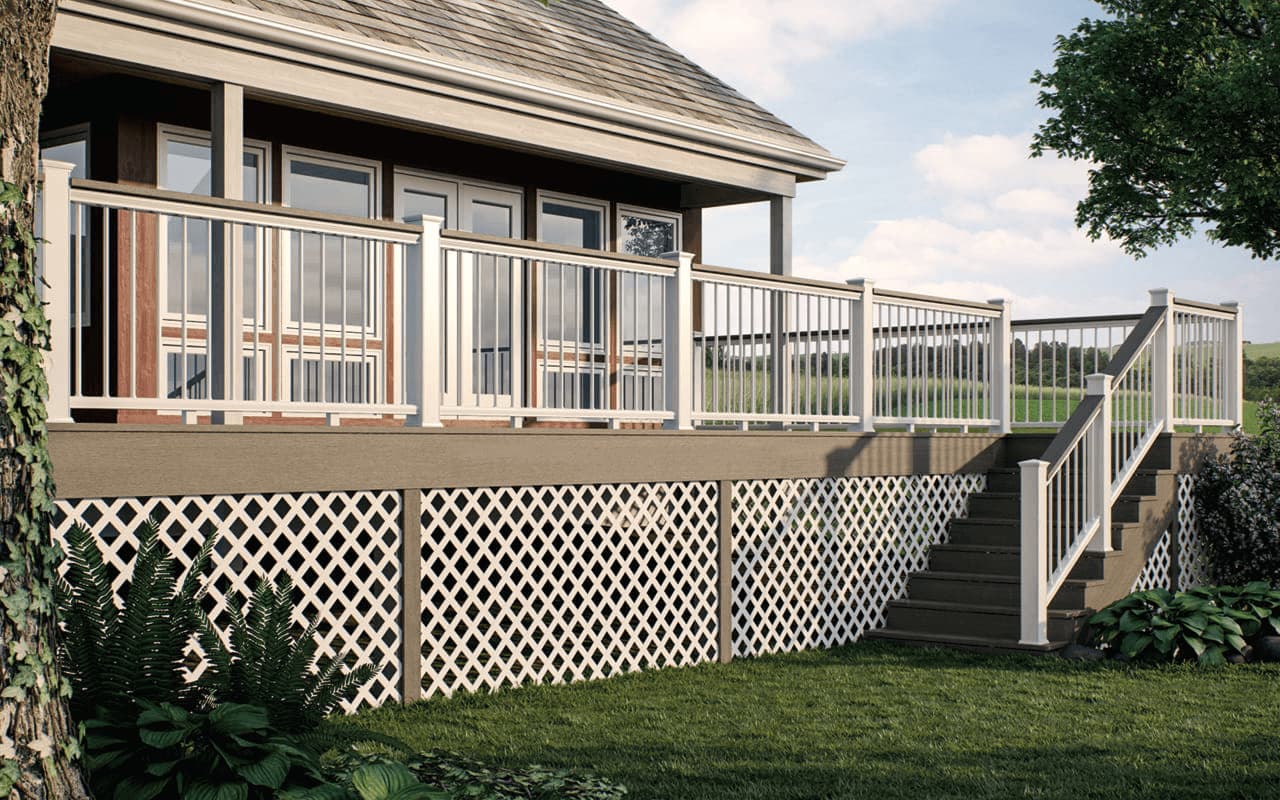
Vinyl and PVC sleeves are probably the most common choice for both contractors and homeowners tackling a project themselves, and it’s easy to see why. They snap or slide over an existing post with minimal fuss, they never need to be painted, and they shrug off moisture without absorbing it the way wood does.
Most come in white or a handful of neutral colors, which works well for traditional or coastal-style homes. The trade-off is that they can look a little plain on their own, so some installers pair them with a separate trim band or cap to break up the surface and add some visual interest.
2. Composite Sleeves That Bring Warmth Without the Wood Headaches
If the all-white vinyl look feels too sterile for your deck, composite sleeves are worth a look. They’re built from a blend of wood fibers and polymers, so they pick up some of the warmth and texture of real lumber while sidestepping the issues that come with actual wood, like splintering, insect damage, and the need for regular staining.
Composite sleeves tend to run a bit heavier than vinyl, which can make installation slightly more involved, but the payoff is worth it. These covers provide a richer color palette and a surface that holds up well in direct sun without fading as quickly as some vinyl products do.
3. Aluminum Sleeves for Projects That Need Real Backbone

Aluminum sleeves show up most often on commercial decks, multi-story structures, or anywhere code requirements call for extra strength around post connections. Because aluminum doesn’t flex or warp the way vinyl can over time, it holds its shape under heavy railing loads and stays put through temperature swings.
It’s also a smart pick for waterfront homes or anywhere salt air is a concern, since it resists corrosion far better than steel and won’t rot the way wood eventually will. The look tends to be sleeker and more modern than vinyl or composite, so it fits naturally with contemporary deck designs that lean on clean lines.
4. Decorative Trim Sleeves for an Architectural Statement
For homeowners who want their posts to actually stand out rather than just disappear into the background, decorative trim sleeves add raised panels, fluting, or molded detailing that mimics the look of a finished column. These often pair with matching post caps and base trim kits, turning a basic 4x4 or 6x6 into something that looks closer to a porch column than a deck support. They tend to cost more than a plain sleeve and take a bit longer to install correctly, but on a front porch or an entry deck where curb appeal matters, the upgrade is well worth it.
5. Textured Sleeves With a Wood Grain Finish
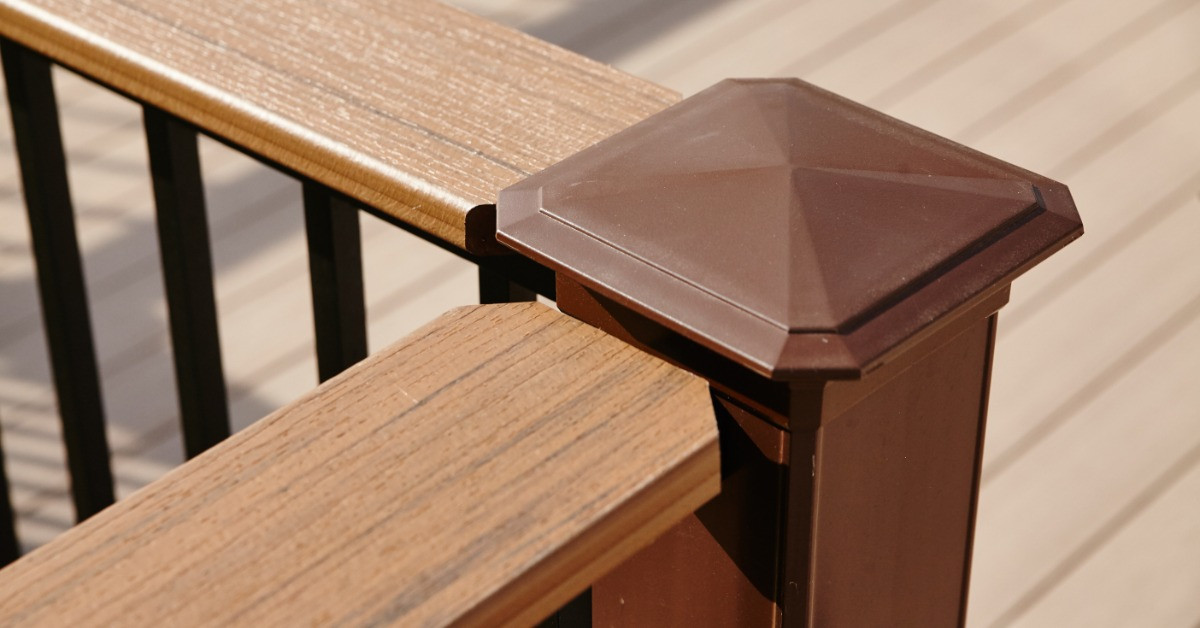
Manufacturers have gotten much better at replicating real wood grain in synthetic materials, and textured sleeves are where that shows most. Instead of a smooth, glossy surface, these sleeves have an embossed pattern that mimics that natural wood look, helping the post blend in with wood railings or decking rather than looking like an obvious add-on. They’re a strong option for rustic or craftsman-style homes where a stark white post would clash with the rest of the design. Because the texture also helps hide minor scuffs and water spots, they tend to age more gracefully than smooth finishes in high-traffic areas.
6. Stone-Look Veneer Sleeves for a Mountain Lodge Feel
For decks built into a more rugged setting, like a cabin or a property that uses timber and stone landscaping, a faux stacked-stone veneer sleeve can make a bigger impact on the overall look than anything else on this list. These sleeves use a molded polyurethane or fiber-cement shell that mimics the texture and shadow lines of real stacked stone, and they wrap around the post in a way that makes it look load-bearing even when the post underneath is just standard lumber.
Installation usually involves more trimming and adhesive work than a snap-on vinyl sleeve, so it tends to be a job for an experienced contractor rather than a quick weekend project, but the payoff is a finish that looks closer to a built structure than an add-on.
A Quick Word on Sourcing Good Sleeves
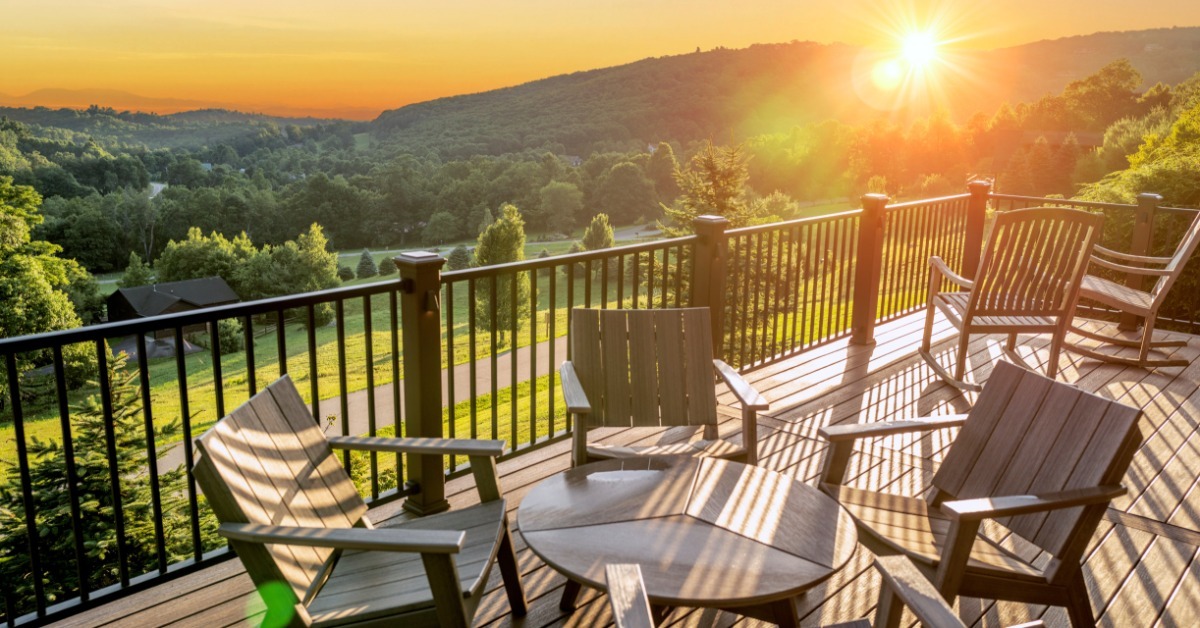
Once you’ve settled on the sleeves you want to use to protect and beautify your deck posts, it’ll be time to find a quality option that’ll do just that. Thin, flimsy sleeves can crack in cold weather or warp in direct sun, defeating the whole purpose of installing them.
Deck Expressions offers a solid lineup of post covers built to withstand real outdoor conditions, with options in aluminum, composite, and other decorative trim styles, so you’re not stuck forcing one material to do a job it wasn’t built for. Still, it’s worth comparing a few brands side by side before committing, especially if you’re outfitting an entire deck and want every post to match without a noticeable difference in finish or color over time.
Whichever direction you go, the post sleeve you pick should match both the practical demands of your climate and the overall style you’re going for. A coastal deck exposed to salt spray calls for something different than a shaded backyard deck in a temperate climate, and a craftsman bungalow calls for a different look than a modern build with steel cable railings. Taking the time to match the sleeve to the actual conditions and design of the deck pays off in fewer headaches down the road and a finished look that holds up for years instead of months.