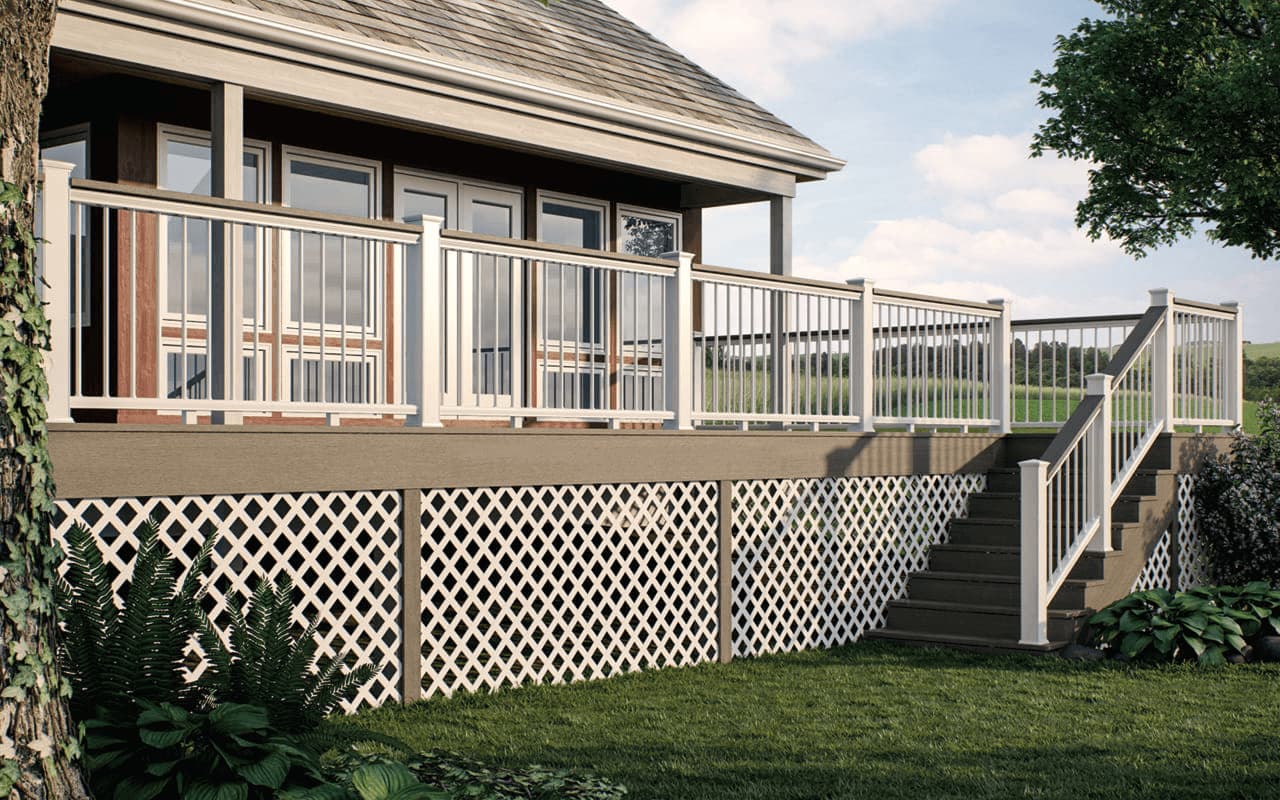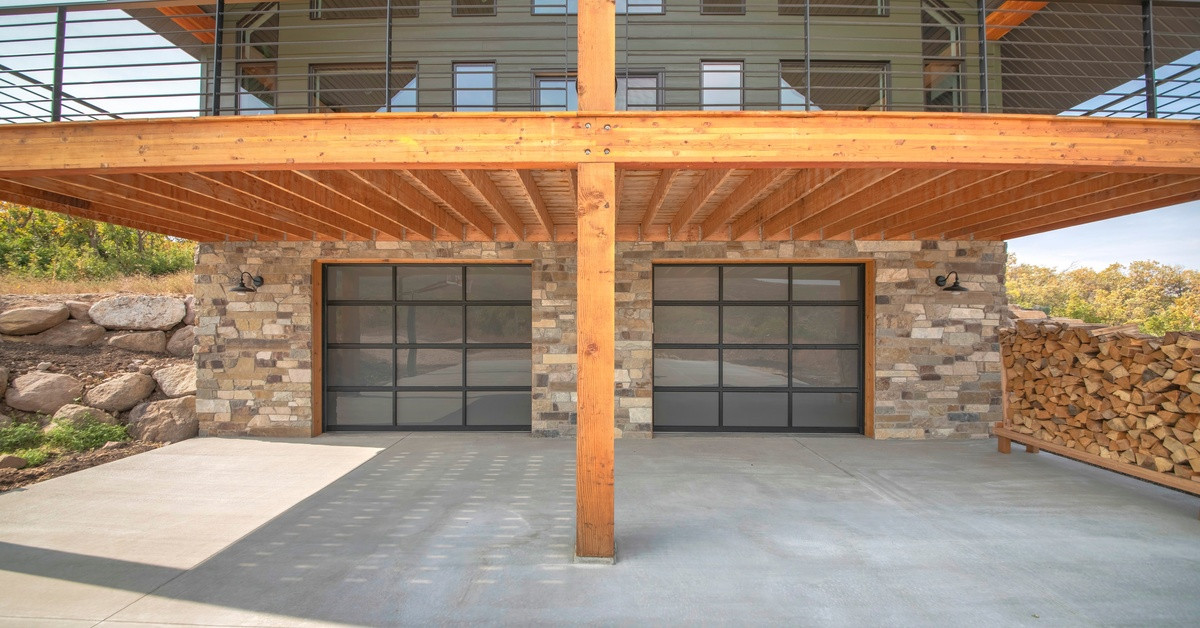
Custom Deck Looks Using Standard Railing Parts
Posted by Deck Expressions on Apr 29, 2026
A deck railing can really change the personality of an outdoor space. It frames the edges and becomes one of the first details people notice from the yard. Even so, a railing doesn’t need one-of-a-kind fabrication to look distinctive.
That’s why standard parts can do more than many homeowners expect. When you choose them with a clear style in mind, they can create a finished look that feels tailored to the house instead of pulled from a shelf. With the right approach, custom deck looks using standard railing parts become much more achievable.
Begin With the Home’s Style
The best railing designs take their cues from the house. If the deck railing feels disconnected from the siding or trim, the whole space can seem less finished. A stronger result comes from treating the railing as part of the exterior design rather than as a separate feature.
A simple exterior often looks better with clean lines and restrained shapes, while a more traditional home may benefit from heavier-looking posts or a broader top rail. When the railing matches the character of the home, standard parts start to feel more intentional. That early decision also makes the rest of the design easier.
Use Posts to Add Visual Weight
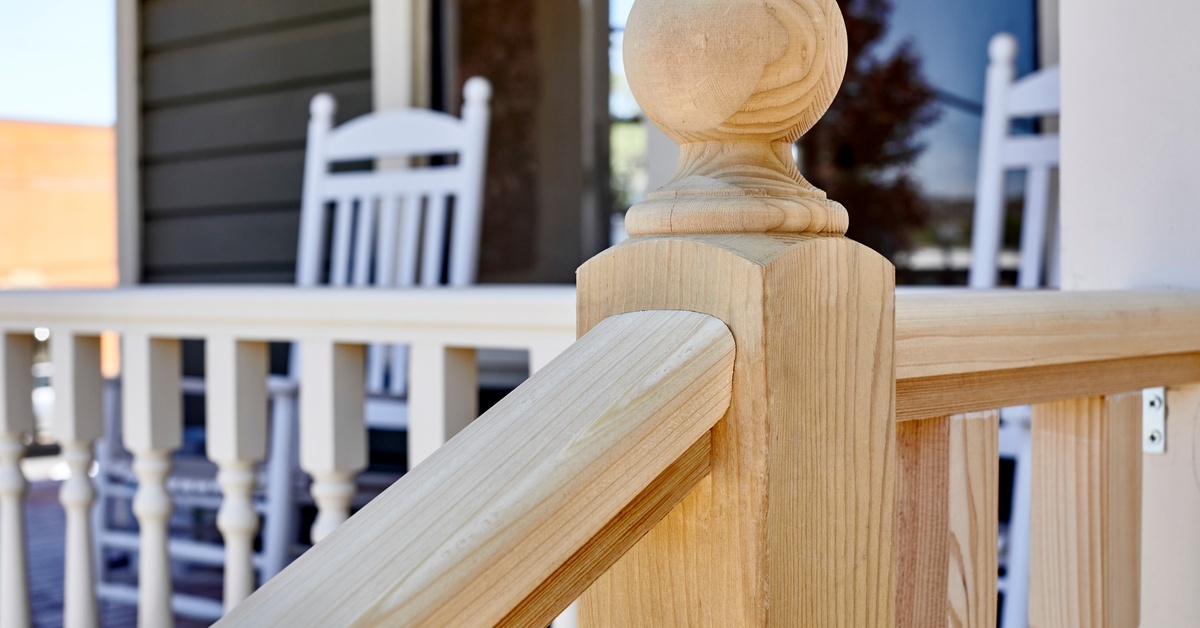
Posts do more than support the rail sections. They establish rhythm across the perimeter and help determine whether the railing feels light or substantial. If the posts seem too small for the deck, the whole design can look underwhelming, even when using high-quality materials.
A larger post sleeve can make a big difference without making the project feel overbuilt. It adds presence and helps the railing read as a designed feature instead of a basic boundary. That simple change does a lot of the work in making a standard system look more custom.
Trim can strengthen that effect. A post skirt or base detail creates a cleaner transition where the post meets the deck surface, which helps the installation look more complete. These touches are subtle, but they often make the difference between a railing that looks assembled and one that looks considered.
Let the Top Rail Shape the Mood
The top rail sits at eye level and gets constant use, so it has a bigger visual role than many people expect. Its shape affects how the railing looks from a distance and how solid it feels when someone leans against it. Because of that, the top rail can shift the mood of the whole deck.
A broader top rail often gives the space a more grounded appearance. A slimmer profile can make the railing feel lighter and help the deck seem more open. You’re choosing a profile that reinforces the style you want for the deck.
Let Infill Carry the Personality
Infill changes both the feel and the function of a railing. It affects how much light passes through, how open the view remains, and how much visual texture the railing adds to the space. As a result, infill becomes the main design feature.
Metal balusters tend to create a crisp look with a stronger sense of structure. Cable infill can make the deck feel more current and visually lighter by opening the space between the posts. Glass creates a cleaner edge and works well when the goal is to keep the view in focus.
The setting should influence that choice. A sleek infill may suit a newer home perfectly, but the same look can feel too sharp against a rustic exterior. Standard railing parts work best when they support the house rather than compete with it.
Build Interest Through Repetition
A lot of people chase a custom look by adding more detail. In reality, a railing often looks more refined when one good idea repeats across the design. That repetition creates rhythm and gives the whole deck a more deliberate feel.
Consistent spacing is one example. Matching post treatments around the deck is another. These decisions don’t call attention to themselves, but they help the railing feel settled and cohesive.
That’s important because standard parts benefit from restraint. When every section follows the same visual language, the railing looks more polished. A custom look usually comes from control rather than decoration.
Use Finish to Connect the Railing to the Exterior
Finish color does more than just change the railing. It also affects how strongly the railing stands out against the deck surface and how naturally it relates to the home. A thoughtful finish choice can make ordinary parts feel integrated.
A dark finish often gives the railing a sharper outline and a more current look. A lighter color can brighten the perimeter and support a more classic style. The strongest choice is the one that echoes nearby details and helps the railing feel connected to the exterior.
Give Stair Sections the Same Attention
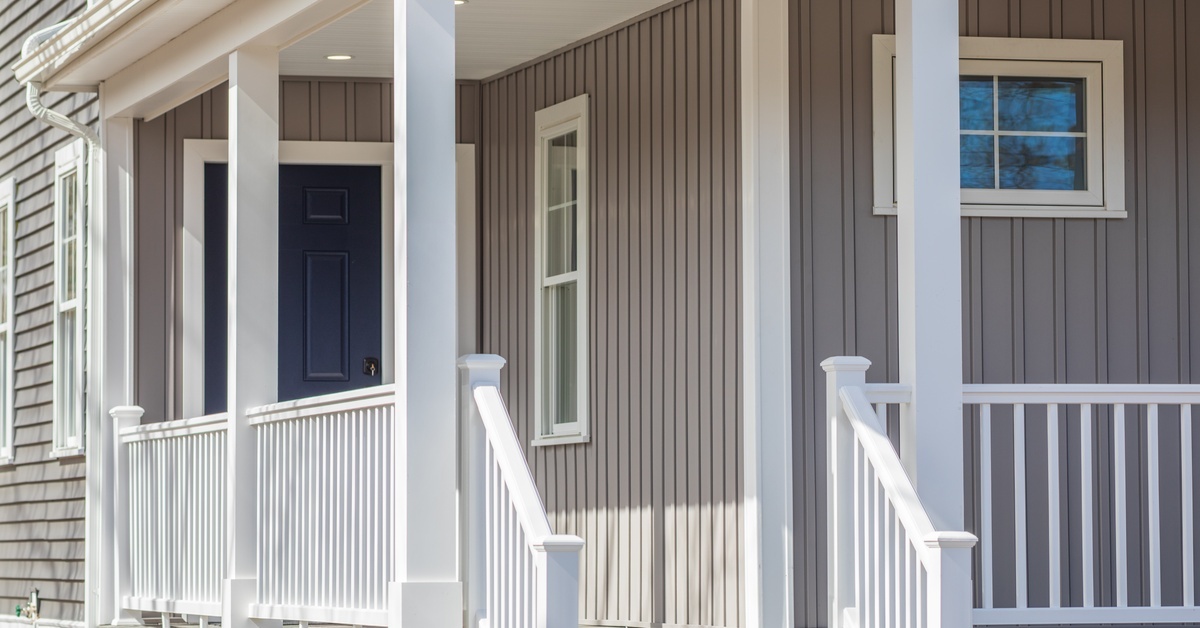
Stair sections deserve more planning than they sometimes get. Because the angle changes the way people see the railing, awkward proportions stand out more quickly there than on a flat run. If the stair section feels like an afterthought, the rest of the design can lose some of its impact.
A good stair railing should feel related to the main sections without looking stiff on the slope. That means keeping the same overall style while paying attention to alignment and spacing. When the transition is handled well, the whole deck feels more complete.
Treat Functional Features as Part of the Design
Practical pieces should never look tacked on. They need to work smoothly and match the style of the railing around them. When those elements feel integrated, the deck looks more resolved.
Picking the right gate for deck access is a clear example. If the gate uses the same proportions and finish as the surrounding sections, it blends into the design instead of interrupting it. That continuity helps the railing feel planned from the beginning.
Corners deserve the same level of care. They should maintain the same design logic as the rest of the system. Clean transitions keep the railing looking intentional from end to end.
Keep the Whole Design Focused
The strongest custom-looking railings that use standard parts don’t rely on a long list of upgrades. They work because each element supports the same overall direction. When the posts, top rail, infill, and finish all reinforce a single style, the deck feels more cohesive.
That sense of focus matters more than trying to add extra flair. Too many competing choices can make a railing look unsure of itself, even when the materials are attractive. Standard parts often look their best when the design stays disciplined.