The Engineering Behind Your Galvanized Steel Railings
Posted by Deck Expressions on Jun 01, 2026
Deck railings sit at the intersection of safety, structural design, and outdoor durability. A railing system has to carry weight while staying stable under pressure. It also needs to hold its shape through years of changing weather. Even though the finished structure may look straightforward, each component plays a role in keeping the deck edge secure over time.
That’s why the engineering behind railings matters, especially when it comes to galvanized steel. Since there’s a lot that goes into this, we’re here to cover all the important aspects of the process. Knowing this will make it easier to determine which kind of railing system is best for your needs.
Why Steel Works So Well for Railings
Steel brings stiffness to a railing system in a way many materials can’t match. When someone leans against a top rail, the railing has to resist that pressure without feeling loose. Steel handles that kind of demand well because it has high tensile strength, meaning it can withstand pulling forces without easily stretching or deforming.
That strength also helps with longer railing runs. A rail that spans between posts needs enough rigidity to stay straight over time. If the material flexes too much, the system can start to feel weak even when the parts haven’t failed.
The Role of Galvanization
Even though steel is strong, it still needs protection outdoors. Bare steel reacts with moisture and oxygen, which leads to rust. Galvanization slows that process by coating the steel with a layer of zinc. Instead of leaving the steel exposed, the zinc becomes the first surface the weather meets.
That zinc coating does more than sit on top like paint, though. During hot-dip galvanization, zinc bonds to the steel surface, forming a stronger protective layer. Even if the surface gets a small scratch, nearby zinc can still help protect the exposed area.
Daily moisture and temperature swings keep testing the surface. Galvanized steel railings perform well because corrosion resistance starts before any decorative finish enters the picture.
How Shape Adds Stiffness
Steel railings don’t get their performance from raw material alone. The shape of each component affects how it handles force. A flat strip of steel can bend easily, while a formed rail with corners and return edges resists flexing much better.
Top rails often use profiles that add depth, which makes them harder to bend. Posts use square or structured shapes because geometry helps distribute force. These shapes create strength without adding unnecessary bulk, so the railing still feels firm when someone grabs it or leans into it.
Why Connections Deserve Attention
Connections within a railing system take more abuse than most people realize. Wind and everyday vibration both place stress on fasteners and brackets. That means even if a railing can have strong rails and posts, weak connection points can make the whole system feel unstable.
Engineered brackets help solve that problem. They hold the rail at the correct angle, reduce unwanted movement, and spread force across the connection area. Fasteners then secure those brackets to the posts or mounting surface.
Engineered railing systems also simplify long-term maintenance. Since the components are designed to work together, replacement parts tend to fit correctly without forcing constant adjustments. That consistency helps preserve the railing’s structural performance years after the original installation.
Strength Comes From the Whole System
A railing succeeds when every connection transfers force correctly. That means the post matters as much as the rail, and the brackets have to work with the fasteners beneath them.
When someone pushes against the top rail, that force moves through the rail into the posts. The posts transfer the load into the deck structure. If the brackets don’t hold properly, the railing can shift. If the posts don’t anchor well, the system loses its base.
A rail profile can’t do this if you use a bunch of mismatched pieces that weren’t made to work together. You need to use compatible parts, like those used across RDI Excalibur railing systems, to ensure your new deck will hold up to the stresses of regular use.
Coatings Protect More Than Appearance
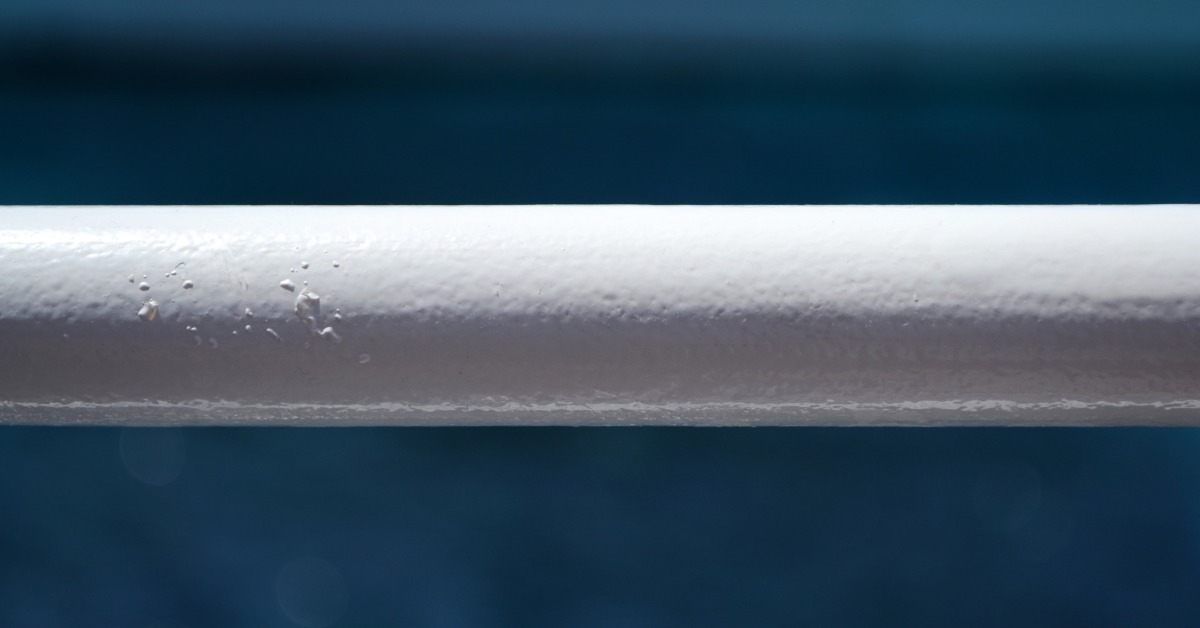
Many people think of coating as an aesthetic choice, but it also protects the structure. Galvanization handles the first layer of defense, while powder coating often adds a smoother outer surface. That outer coating helps shield the metal from direct contact with water and grime.
Powder coating also gives the railing a more finished look. It creates consistent color across the full railing run. Since deck railings sit in full view, that matters. Still, the real value comes from combining appearance with protection.
A coating system has to handle expansion and contraction, too. Outdoor materials move as temperatures change. A well-applied finish stays bonded through that movement instead of cracking or peeling too quickly.
Load, Spacing, and Code Thinking
Railings must meet safety standards, not just design preferences. Building codes often address height, baluster spacing, and load resistance. Those requirements exist because railings protect people near the edge of a raised surface.
Engineering supports those code-driven needs. Baluster spacing helps prevent unsafe openings. Rail height creates a usable barrier. Load resistance ensures the system can withstand pressure from people gathering near the edge of a deck.
The exact requirements can vary by location, so the local code still matters. But the basic idea remains the same: railing design must account for real human use. A good galvanized steel railing system treats safety as part of the design.
Why Precision Matters During Installation
Even a well-engineered railing can perform poorly if it’s installed carelessly. Posts need to stand plumb, and rails need to sit level. Brackets also need full contact with the surfaces they connect.
Small errors can create bigger problems later. A crooked post may place uneven stress on the rail. A bracket that doesn’t seat properly can loosen faster. A fastener driven at the wrong angle may not hold as intended.
Galvanized steel railings work best when the installation respects the engineering behind the components. Each part needs to go where the system says it belongs, rather than where it seems close enough.
The Hidden Work Behind a Clean Look
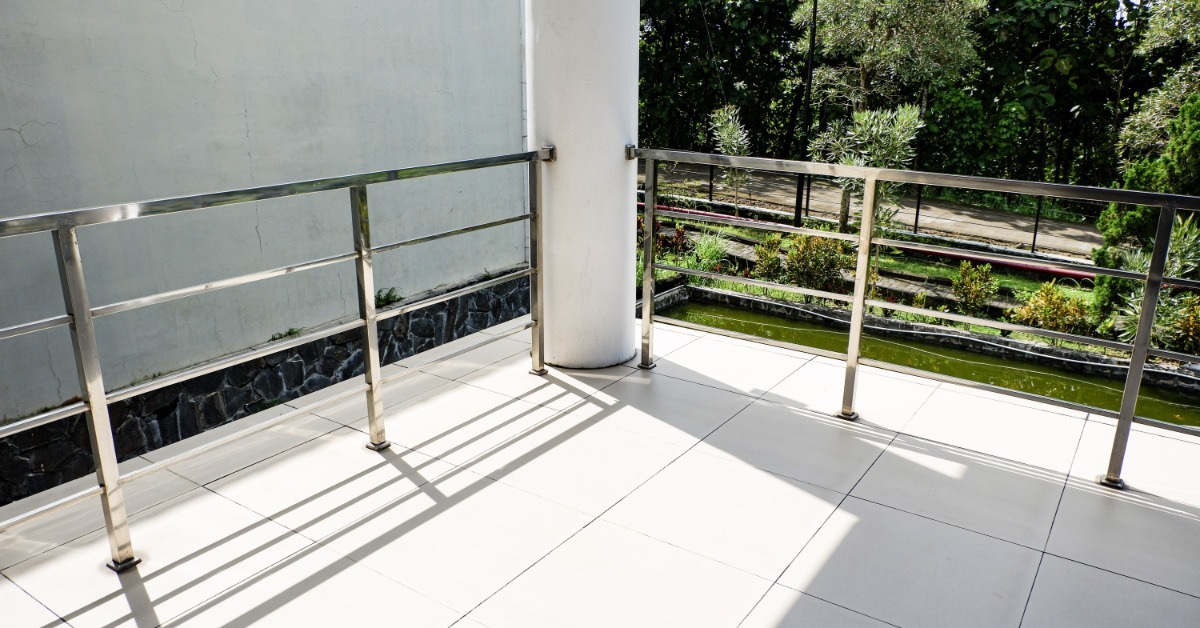
The finished railing may look simple, but that’s part of the point. Good engineering doesn’t always announce itself. It shows up in a rail that feels solid, a finish that resists wear, and a layout that stays straight after years of use.
Galvanized steel railings combine material science with practical deck design. The steel gives the structure its backbone, while the zinc coating protects that structure from corrosion. Rail shapes and brackets help the whole system manage force without looking bulky.
That hidden work is why these railings make sense for decks that need strength without a heavy visual footprint. The engineering supports the clean appearance, not the other way around.