Vinyl Deck Railings: Maintenance Made Simple
Posted by Deck Expressions on May 08, 2026
A railing takes more abuse than most people think. Hands grab it, rain hits it, pollen settles on it, and furniture gets bumped against it through the season. When that railing starts to look dirty or worn, the whole deck can feel less cared for, even if the structure itself is in good shape.
That’s where vinyl railings make a strong case for themselves. They don’t require nearly as much work as other materials. For anyone who wants a deck that looks clean without constant upkeep, vinyl deck railings make maintenance much easier to manage.
Why Vinyl Railings Stay Easy to Care For
Vinyl railings have a smooth, nonporous surface, so grime usually sits on top instead of soaking in. That makes routine cleaning more about wiping away buildup than restoring the material itself. You don’t have to chase splinters or peeling finish.
That surface also helps the railing keep a consistent look through normal seasonal changes. Rain may leave spots, and pollen may dull the finish for a while, but those issues usually stay cosmetic. A quick wash can bring the railing back to a sharper appearance without a major project.
Cleaning Vinyl Railings Without Overthinking It
Most vinyl railing cleaning starts with mild soap mixed into water. Use a soft cloth or gentle brush to loosen dirt from visible rail sections and balusters. After that, rinse the area well so soap residue doesn’t dry on the surface.
Avoid harsh scouring pads because they can leave marks that attract more dirt later. You also don’t need strong chemicals for normal buildup. If a spot doesn’t lift right away, give the soap a little more time before you scrub harder.
A garden hose usually handles the rinse well enough. If you use a pressure washer, keep the pressure low and avoid forcing water into seams. Vinyl doesn’t need aggressive cleaning to look refreshed, so a lighter touch often works better.
How Often Should You Clean Vinyl Deck Railings?
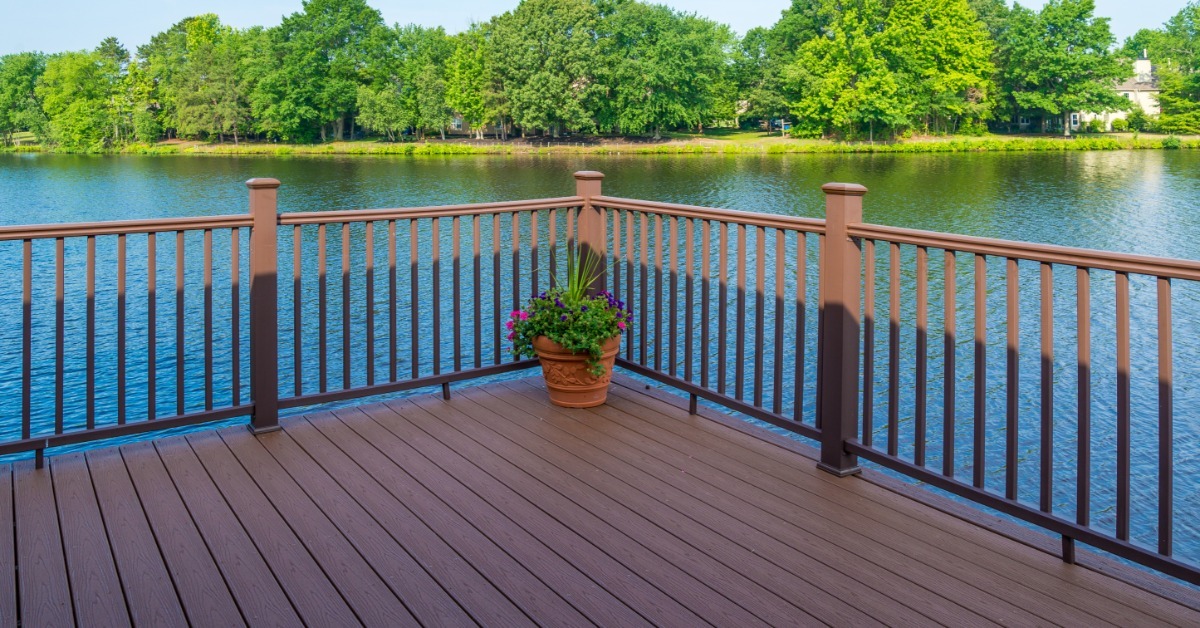
Most decks only need a basic railing wash a couple of times a year. Spring cleaning clears away winter residue, while a second wash during the warmer months helps remove dust and marks from frequent use. Homes near trees or busy roads may need attention more often.
You don’t need to treat every smudge like an emergency. Wipe sticky spots as they occur, especially near dining areas or stairs where hands frequently touch the railing. Small cleanups prevent grime from hardening into a bigger job.
What to Watch After Bad Weather
While storms can indirectly clean your railings a bit, they can also leave more than water behind. Wind may push leaves against the bottom rail, and damp debris can stain the surface if it sits too long. After rough weather, walk the deck and clear away anything packed around posts or corners.
Check areas where water tends to collect. Vinyl handles moisture well, but dirt trapped in wet spots can create dingy patches. Keeping those areas clear maintains the railing’s clean look and helps the whole deck look better maintained.
Keeping Mold and Mildew from Taking Hold
Vinyl itself doesn’t feed mold the way organic materials can, but mildew can still grow on dirt sitting on the surface. Shady decks with poor airflow face this problem more often. If the railing stays damp for long stretches, green or dark film may appear along the rails and post bases.
Regular rinsing helps prevent that problem. Trim back plants that press against the railing, and clear leaves that trap moisture near the deck edge. Those small habits reduce the damp buildup that mildew likes.
For stubborn mildew, use a cleaner that’s safe for vinyl and follow the product directions. Test a hidden spot first if you’re unsure. A careful approach protects the finish while still removing the stain.
Protecting the Look Around Furniture and Decor
Depending on how you have things set up, deck furniture can rub against railings when people move it around. Vinyl holds up well, but repeated contact in the same place may leave scuffs. That’s why you should give furniture enough room so it doesn’t scrape posts during everyday use.
Décor items, such as planters, deserve extra attention as well. Soil and drainage water can leave marks if they spill onto rail sections. Use saucers under pots and wipe overflow before it dries.
Vinyl Railing Maintenance Comparison
Wood railings can look warm and traditional, but they usually demand more hands-on care. Homeowners often need to sand rough spots and refresh staining. They also have to monitor areas where moisture creates damage.
Vinyl changes the maintenance pattern. Instead of preserving a finish, you mostly clean the surface. That makes vinyl a practical choice for people who want their railing to stay presentable without adding another long project to the calendar.
This difference matters when comparing decking materials across the entire outdoor space. Railings frame the deck visually, so a low-maintenance railing can make the entire area feel easier to own. Even when the deck surface needs its own care, vinyl railings can keep one major part of the space simple.
Choosing Parts That Make Care Easier
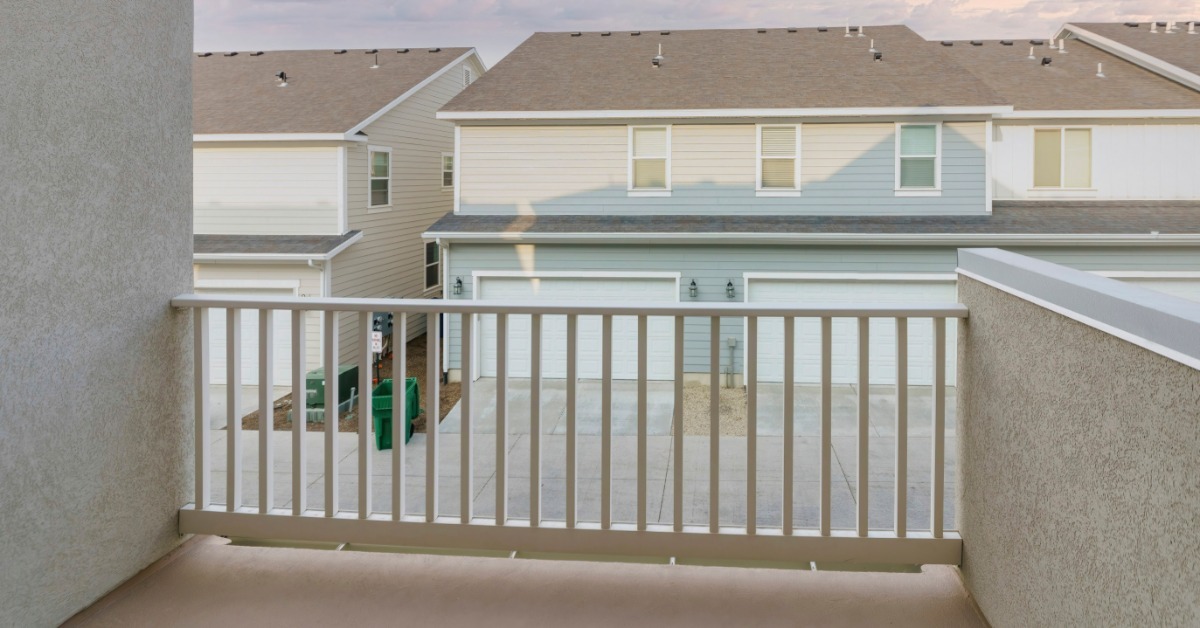
The railing layout can affect cleaning as much as the material does. Simple profiles collect less dirt because they have fewer grooves and tight corners. If you want the fastest cleaning routine, choose parts that let a cloth move across the surface easily.
Think about access, too. Railings near stairs and seating areas get touched more often, so those sections may need extra attention. Choosing durable vinyl parts helps those busy areas keep up with daily use.
Small Habits That Keep Vinyl Railings Looking New
The easiest railing maintenance takes only a few moments. Wipe fingerprints near gates and rinse off spilled drinks. Clear damp leaves before they sit for days.
Keep a soft cloth or deck brush nearby during the busy season. When the right tool stays within reach, you’re more likely to handle small messes right away. Vinyl railings reward that kind of light attention because they don’t require complicated care.
A clean railing also makes the rest of the deck look more finished. Since railings are closer to eye level than the rest of the deck, people notice them more often when they’re dusty or marked up. With vinyl, a little upkeep goes a long way, which makes maintenance feel less like a project and more like part of using the space.