Why Aluminum Railings Are Ideal for Coastal Homes
Posted by Deck Expressions on May 18, 2026
A coastal deck has a different job than your average backyard deck. It sits in salty air and faces strong sun, with weather that can shift fast. The right railing for this kind of space not only has to look good, but it also has to stand up to conditions that wear down weaker materials.
Homeowners near the water usually want a space that feels open and easy to enjoy. In most cases, aluminum railings are the answer for this. Let’s learn what makes these railings ideal for most coastal homes.
Salt Air Doesn’t Treat Every Material the Same
Salt in the air can cause real trouble for many outdoor materials. Over time, it settles on surfaces and holds moisture, exerting constant pressure on anything exposed to the outside world. Wood and steel may look fine at first, but coastal conditions often reveal their weak spots in no time.
Aluminum has a major advantage: it doesn’t rust like steel does. Rust needs iron, and aluminum doesn’t rely on iron for its strength. When manufacturers add a quality powder-coated finish, the railing receives an additional protective layer that helps it resist corrosion in a salty environment.
That matters for homes near the water, even when the deck doesn’t sit directly on the beach. Salt can still travel through the air and land on railings day after day. Aluminum gives homeowners a railing option that makes sense for that kind of exposure.
It Keeps Maintenance From Taking Over
Coastal houses already need more attention than a regular home. Windows, siding, and deck surfaces all take hits from the environment. A railing system shouldn’t add more work to that list.
Aluminum railings usually need simple cleaning with mild soap and water. Homeowners can rinse away salt residue before it builds up, then get back to using the deck instead of working on it. They don’t have to sand or seal aluminum the way they would with wood.
That low-maintenance appeal makes aluminum stand out when people compare deck railing ideas for homes near the coast. It gives the deck a finished look without asking for much in return.
Aluminum Offers Strength Without Bulk
Coastal weather can put extra pressure on many exterior structures. Wind can push against railing sections, while damp air can test fasteners and finishes. Since a railing system needs to feel secure, especially on an elevated deck or stair run, it can’t become weak under such pressure.
Aluminum is a great option here because it delivers reliable strength while staying lighter than many alternatives. That lighter weight helps during handling, but it doesn’t make the finished railing feel flimsy. When installed properly, aluminum railings create a firm barrier that suits everyday use and rougher weather.
The clean structure also helps the deck feel less crowded. Large posts or thick rails can make a coastal deck feel boxed in. Aluminum supports safety without giving the deck a heavy look.
It Helps Preserve the View
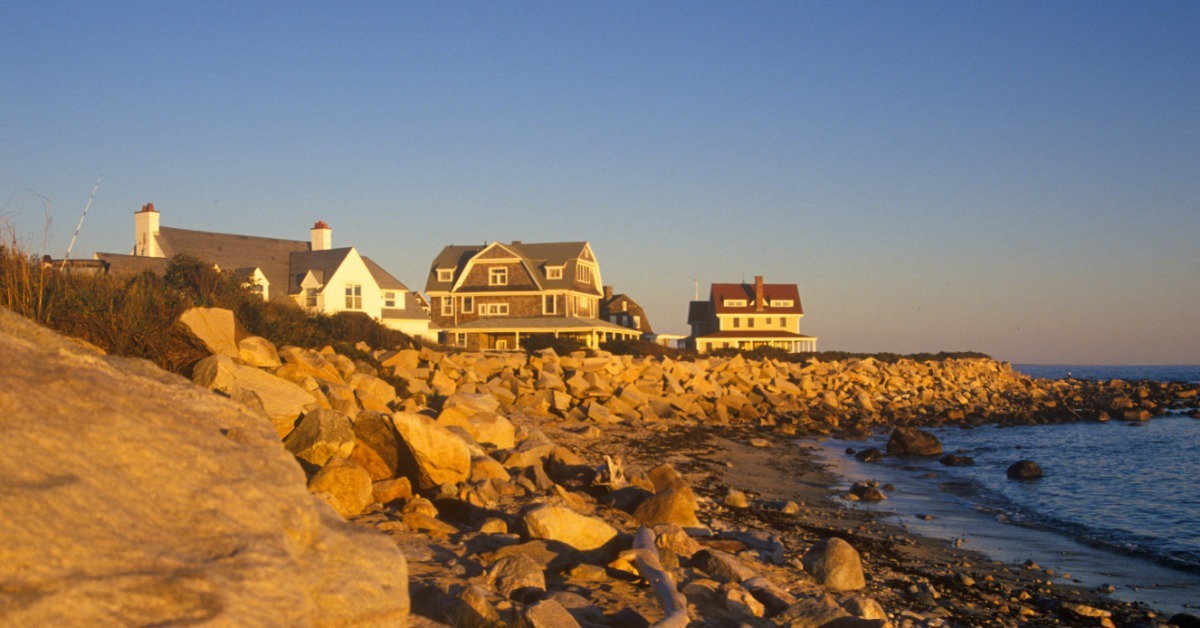
Many coastal homes derive much of their appeal from the environment that surrounds them. A deck that overlooks the water or catches a wide stretch of sky needs optimal viewing angles, but it still needs a railing system that protects the edge of the space without becoming the main thing people notice.
Aluminum railing systems often use slimmer profiles that keep sightlines open. The posts and balusters define the deck, but they don’t dominate it.
Some homeowners choose cable or glass infill with aluminum frames when local codes allow for it. Others prefer traditional balusters because they want a classic look, but they tend to go for the thinner options. Either way, aluminum provides the structure with a clean frame for the view rather than fighting against it.
The Style Fits Coastal Homes Without Looking Forced
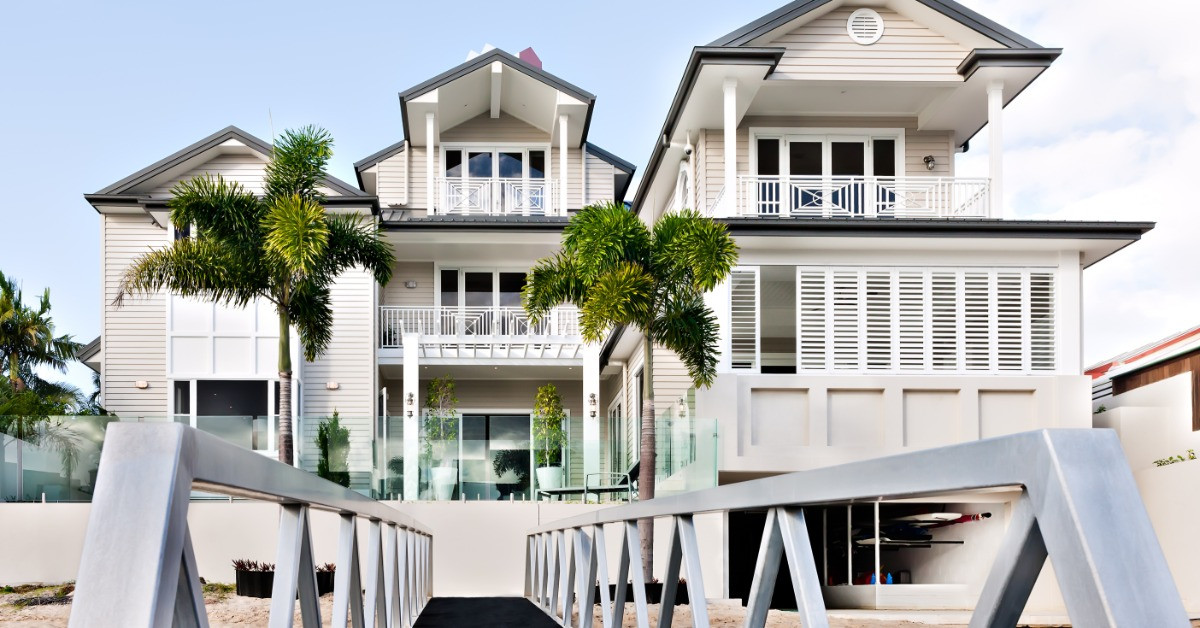
A coastal home doesn’t have to follow one exact design style. Some homes lean modern, while others look more traditional. Aluminum railings can work with both because the material has a simple, clean appearance.
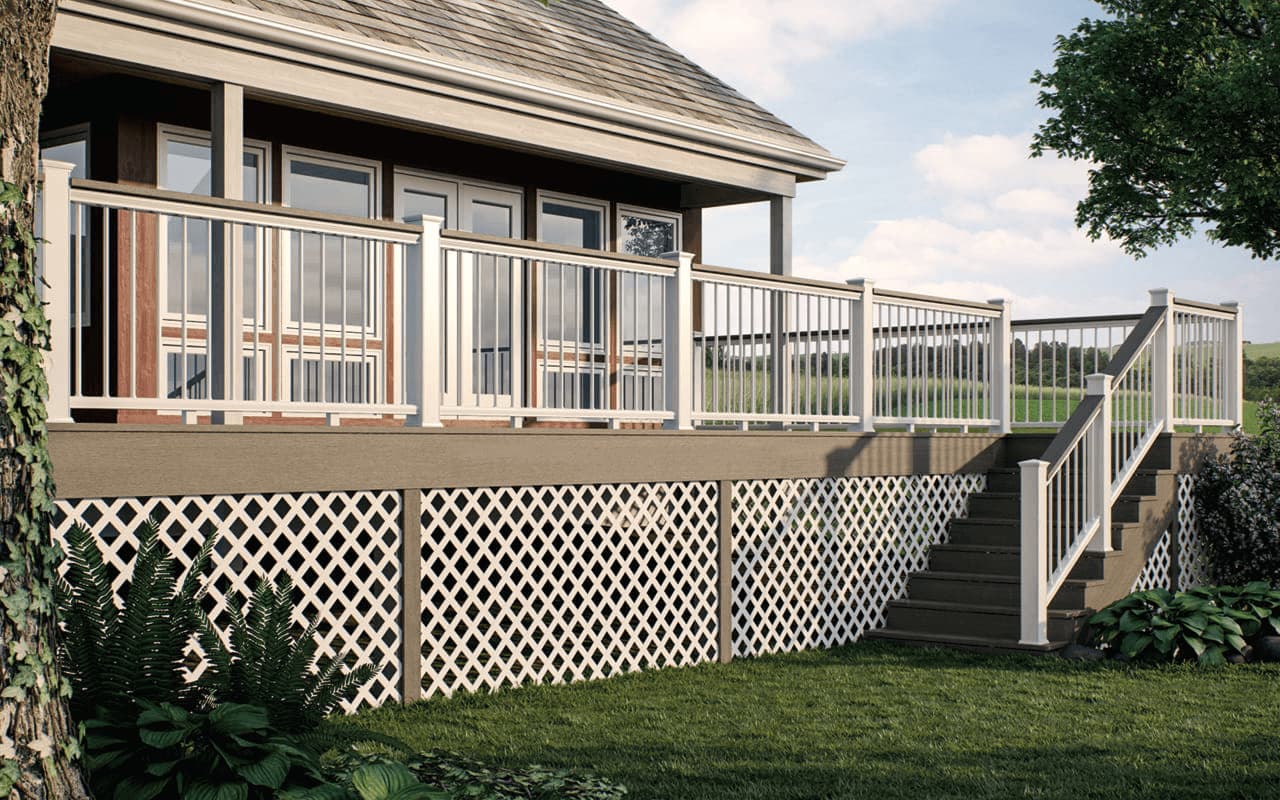
Black aluminum creates a sharp contrast against light siding or pale deck boards, while white aluminum can feel softer on a beach-style home. Bronze finishes can suit homes that need a warmer look without switching to wood.
The point isn’t to chase a trend. It’s to choose a railing that fits the house and keeps fitting that look as exterior updates change. Aluminum gives homeowners room to adjust the overall look without replacing the entire railing system.
Powder Coating Adds Practical Protection
Even though aluminum railings are ideal for coastal homes, the finish used on them still matters. Powder coating is a go-to choice since it bonds well to the surface, forming a durable exterior layer. That finish helps protect the railing from fading and surface damage.
A good powder-coated railing also makes cleaning easier. Salt residue has fewer places to grab onto, so simply hosing it down on occasion will be quite effective. While homeowners still need to care for the railing, they won’t have to fight the material to do so.
Aluminum Works With Many Deck Materials
Coastal decks use a range of surface materials, including wood and composite boards. Aluminum railings pair well with many of them because the style stays neutral. The railing can complement the deck rather than compete with it.
On a composite deck, aluminum often reinforces the clean, modern look. On a wood deck, it can add contrast and reduce the amount of material that needs regular sealing. That mix can make sense for homeowners who like wood underfoot but don’t want to add even more maintenance to their routine with the railings.
This flexibility also helps when homeowners update a deck in stages. They can refresh the railing first or match it to a new surface later. Aluminum doesn’t lock the entire project into one narrow design direction.
Long-Term Value Matters Near the Water
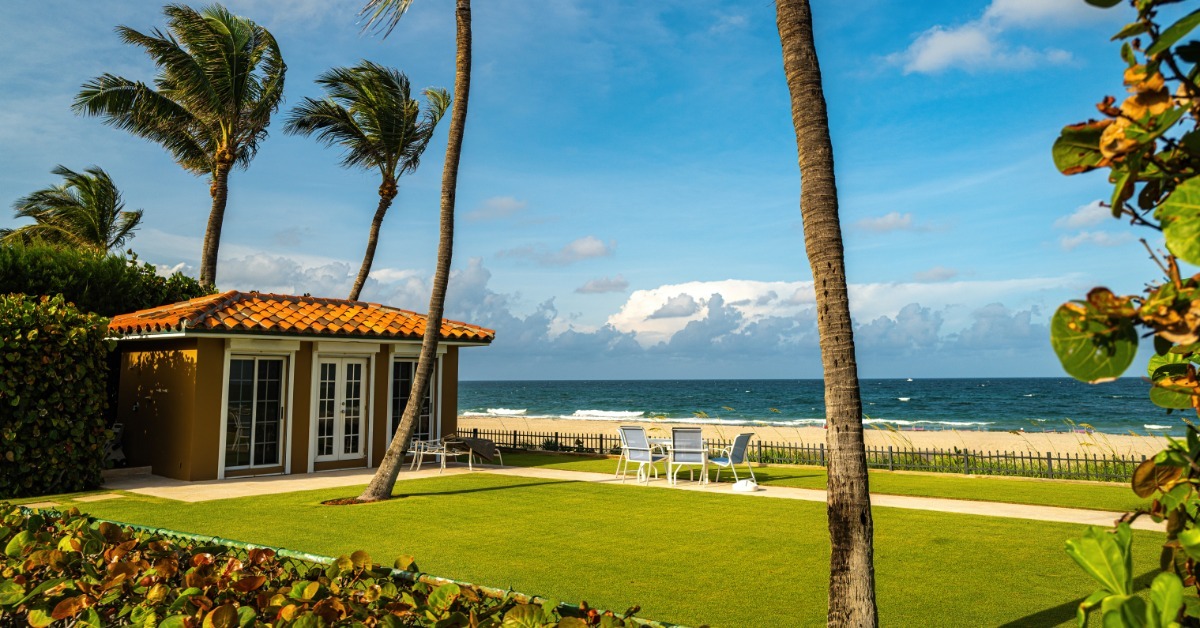
A railing that costs less upfront can cost more over time if coastal weather wears it down too quickly. Repairs and replacement parts can add up. Homeowners near the water often save themselves trouble by choosing a material built for the setting.
Aluminum earns its place because it combines durability with a clean look. It resists rust and needs less upkeep than wood. Those benefits make it a practical choice for homeowners who want the deck to stay usable without constant railing work.
What to Look For in an Aluminum Railing System
Not every aluminum railing system offers the same quality. Homeowners should pay close attention to the coating and hardware before choosing a product. Coastal conditions punish weak details, so those small choices matter.
A strong system should include durable posts and secure brackets. It should also meet local railing code requirements for height and spacing. With the right system in place, an aluminum railing can support a coastal deck’s safety while helping it look ready for daily use.
Something Else To Consider
If you like the look of aluminum but want to consider all your options, you should also look into fusion composite railings. As the name implies, these are made of composite materials that are water-resistant, making them ideal for a variety of coastal homes.